
The Highland Masterclass, Lesson 1
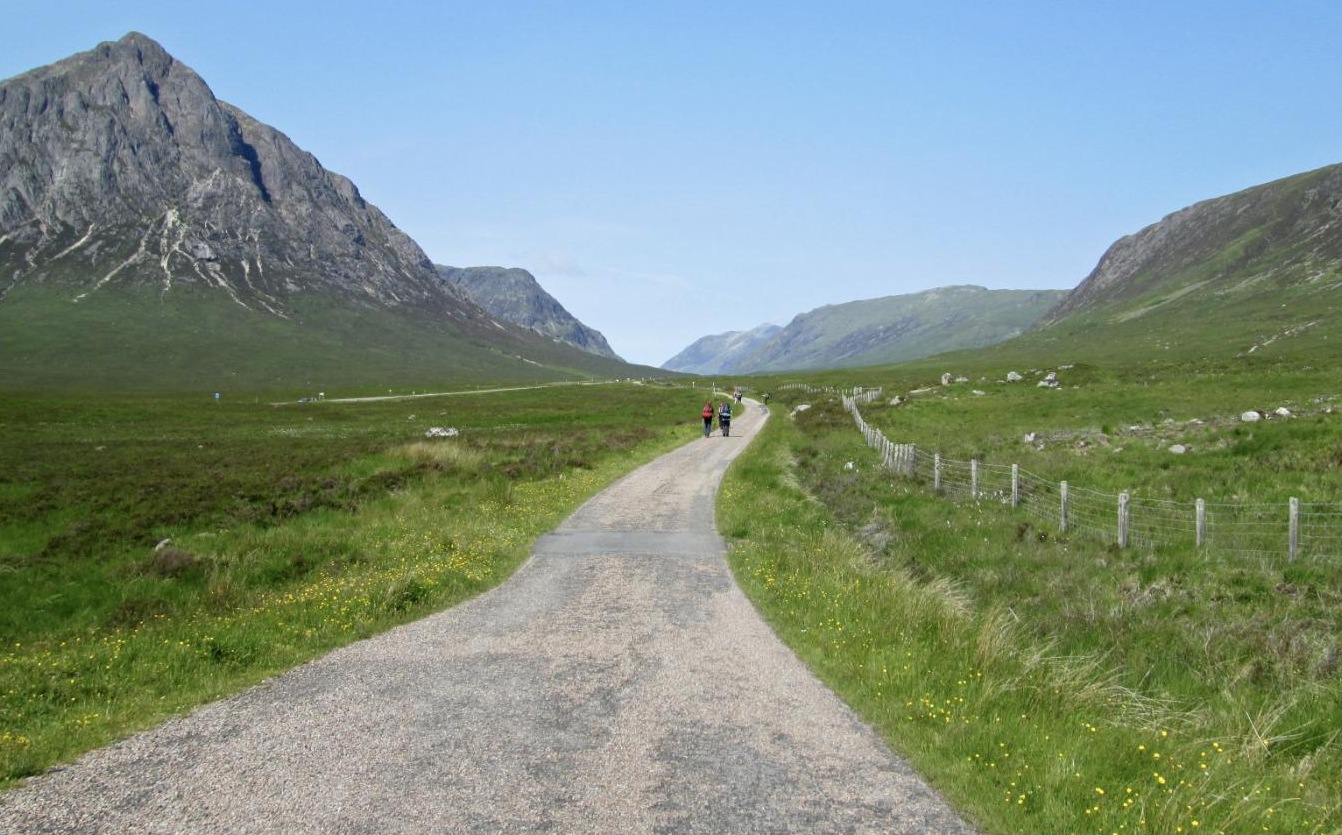
Islay comes with a ready-made picture: sea air, peat smoke and a coastline. The Highlands are the opposite case. They are the largest of Scotland's whisky regions, and almost impossible to describe in a single sentence. That is exactly why they are worth starting with.
This first episode of the Highland Masterclass sets out what "Highland" actually means, where its borders came from, how the trade divides it up, and why the most useful question about any Highland whisky is not "which region?" but "which distillery?". It follows the same approach as the Islay series: facts you can check, and a closing section on what they mean when you read a cask's paperwork.
What "Highland" Means in Law
The Scotch Whisky Regulations 2009 protect five geographical names. Highland, Lowland and Speyside are protected regions, and Islay and Campbeltown are protected localities. These names are protected as geographical indications.
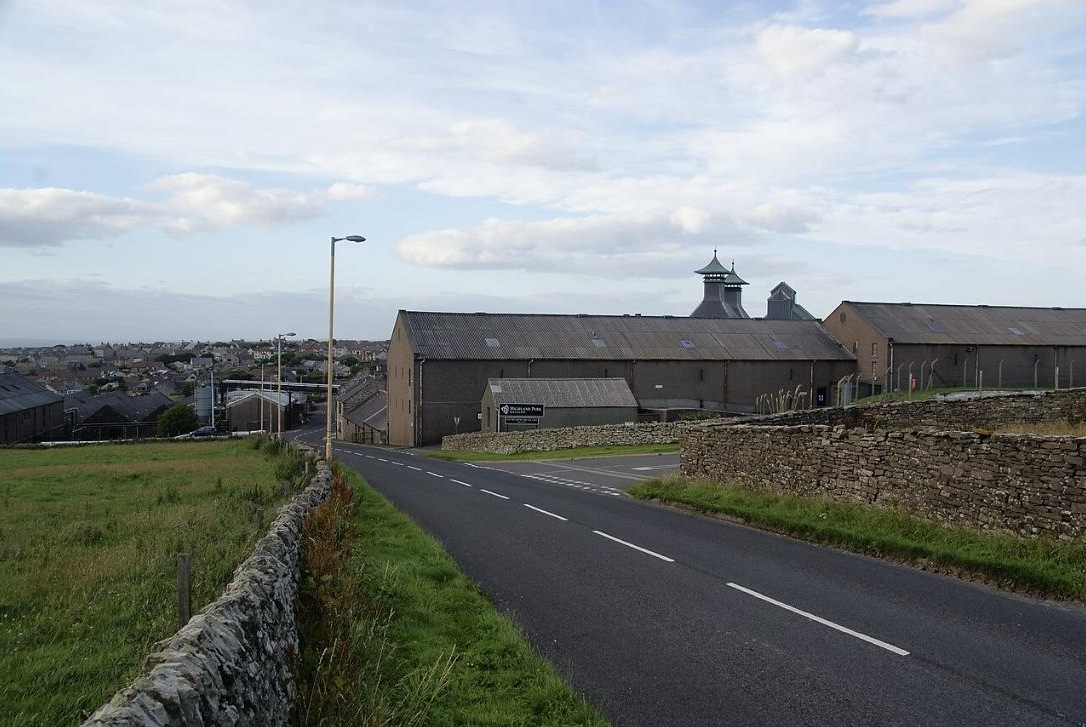
The Highland region is defined broadly: it is all of Scotland north of the dividing line between the Highland and Lowland regions, while the Lowland region is everything south of it. The regulations describe that line using landmarks and roads, running from the Firth of Clyde across the Campsie Fells, past the Wallace Monument and along the River Earn to the Firth of Tay. Because the definition simply covers everything north of the line, it takes in the whole of the Highlands and, on the wording of the regulations, islands north of the line as well. Highland Park on Orkney is one example of a Highland-region whisky that is a long way from any mountain.
Speyside is a separate protected region, defined by named council wards in Moray and Badenoch and Strathspey. Those wards sit north of the line, which is why some writers describe Speyside as part of the Highlands. In practice it has its own label and its own identity, so this series treats it separately. Islay is also a protected locality in its own right and is covered in the Islay Masterclass.
A Region of Many Landscapes
Master of Malt describes the Highlands as the most geographically large region of them all, stretching from Loch Lomond in the south west to John O'Groats in the north east, with nearby islands as well. Within that area sit the rugged west coast, the Grampian mountains, the Cairngorms and the east coast. The Whisky Exchange notes a maritime influence on the west and north coasts.
Because the region covers such different terrain, there is no single Highland climate or water source to point to. That is a real contrast with a smaller, more uniform place, and it is the first clue that the region name will only take a buyer or a drinker so far.
Where the Line Came From
The Highland line is older than the regulations. In 1784 the government introduced a tax line between Highland and Lowland distillers, with different duties and production rules on each side. It followed county boundaries rather than the geological fault that most people picture. Counties such as Orkney, Caithness, Sutherland and Argyll were on the Highland side. A middle zone with its own duty rate was added in 1797. A parliamentary report in 1799 recommended abolishing the line because it had not stopped smuggling, but it stayed in place until 1816.
The 2009 boundary effectively reproduces that old tax line. In other words, one of the most important labels in modern Scotch whisky traces back to an eighteenth-century tax decision.
From Hidden Glens to Licensed Distilleries
The geography of the Highlands shaped how whisky was made there. Remote hills and hidden glens made illicit distilling practical, and it flourished for roughly 150 years despite regular seizures. The Excise Act of 1823 changed the picture by setting a licence fee of £10 and a fixed duty per gallon. Smuggling largely ended within a decade, and by 1833 Scotland had 260 licensed distilleries.
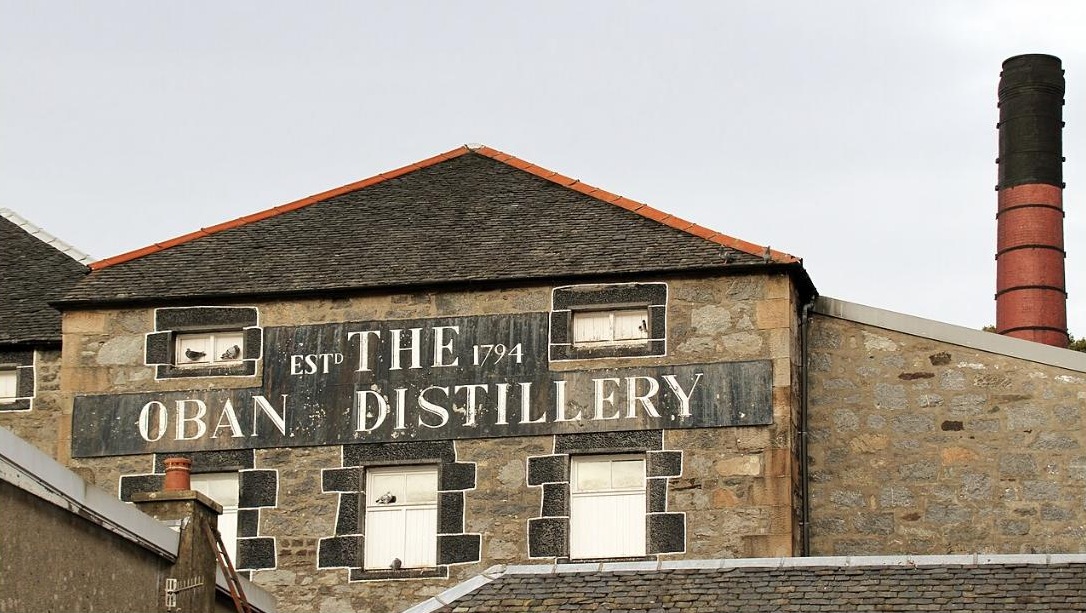
Many of today's best-known Highland names date from this era of legal distilling: Oban (1794), Glen Garioch (1797), GlenDronach (1826), The Dalmore (1839) and Glenmorangie (1843), according to Master of Malt's regional guide. Others are much newer. Wolfburn in Thurso opened in 2013, Ardnamurchan in 2014, and Nc'nean and GlenWyvis in 2017. The region has been making whisky for centuries and is still adding distilleries.
Six Neighbourhoods, Not One Style
The trade often splits the Highlands into informal sub-regions. These are shorthand rather than law, but they show how wide the range is. The Whisky Exchange's guide describes the following, with example distilleries and the character it associates with each.
The South, closest to the Highland line, includes Glengoyne (grassy, intense), Deanston (waxy) and Tullibardine (nutty, fragrant). The West, along the Hebridean coast, includes Oban (maritime fruitiness), Ben Nevis (spicy) and Ardnamurchan, which makes both peated and unpeated spirit. The North, beyond Inverness, includes Glenmorangie (fragrant, spicy), The Dalmore (dried fruit), Clynelish (waxy) and Old Pulteney (maritime). The East includes GlenDronach and Glenglassaugh (rich), Ardmore (smoky), Fettercairn (fruity, savoury) and Glencadam (creamy, malty). Central Perthshire includes Aberfeldy (spicy), Edradour (fruit-forward), Dalwhinnie (honeyed) and Royal Lochnagar (grassy). Speyside is the sixth neighbourhood in the trade's version, though in law it is its own region.
Perthshire alone once had around 70 distilleries, and fewer than ten remain in the Central Highlands. That is a reminder that this map has been redrawn many times, and is still changing.
Why the Distillery Is the Useful Unit
Regional labels are a good starting point, but they are weaker as a guide to flavour than many people expect. The Scotch Whisky Association says the regulations protect regional names as geographical indications and do not describe flavour or style. Whisky Advocate notes that Highland style varies more among drinkers and distillers than the style of other regions, and points to Ardmore and Tomatin's Cù Bòcan as bottlings that do not fit a typical Highland profile.
The Whisky Exchange makes the same point more directly, arguing that flavour is better explained distillery by distillery. Its examples are useful. Loch Lomond, Glengoyne and Deanston were once classed as Lowland and are now legally Highland, which shows how much the label depends on where a line is drawn. It also notes that the heavier character of some northern whisky in the 1920s was partly a matter of logistics, because distillers there sourced yeast from distant breweries, rather than something the landscape alone created.
The practical lesson is simple. Highland tells you where a spirit was distilled. The distillery tells you much more about what it is likely to taste like.
Closure, Revival and Fresh Starts
The Highlands also offer examples of the life cycles covered in the Islay series. Oversupply after 1973 led to a wave of closures across Scotland, and Highland sites such as Glenugie, Glenury, Glenlochy, Glen Mhor and North Port were among those that closed or were demolished in the 1980s. Brora, which dates from 1819, was mothballed in 1983 and has since been revived, with its reopening completed in May 2021.
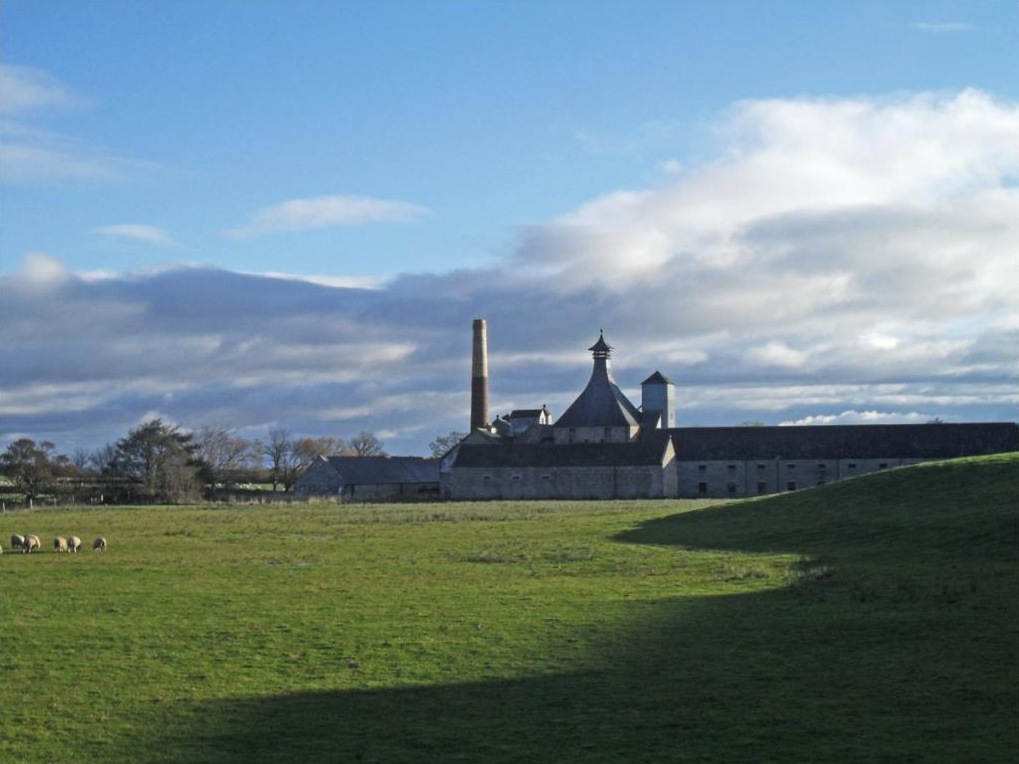
Brora is a useful case for anyone comparing episodes. As with Port Ellen on Islay, spirit distilled before a closure and spirit distilled after a revival are different stories, even when the name on the label is the same. The date a spirit was distilled matters as much as the name of the place.
Reading a Cask's Paperwork With the Highlands in Mind
For anyone looking at a Highland cask, the region is the widest possible description. It is accurate, but it covers everything from a waxy Perthshire malt to a coastal northern one. The more specific details are where the useful information sits: the distillery, the fill date, the cask number, the type of wood and previous contents, the volume and strength, and the warehouse where it is held.
Those are the same fields used throughout the Islay series, and they work the same way here. If a cask is described only as "Highland", asking which distillery it came from is the first step towards a precise, verifiable description. Each answer makes the picture clearer, which is what a confident buyer is looking for.
This series is for education and is not financial advice. Cask ownership is a long-term commitment and outcomes vary, so independent legal and tax advice is a sensible step before any purchase.
Sources
Scotch Whisky Regulations 2009, regulation 10 (definitions of the protected regions and localities): https://www.legislation.gov.uk/uksi/2009/2890/regulation/10/made
Scotch Whisky Regulations 2009 (summary, five protected names): https://en.wikipedia.org/wiki/Scotch_Whisky_Regulations_2009
The Whisky Exchange, The Essential Guide to Highland Single Malt Whisky: https://www.thewhiskyexchange.com/inspiration/article/17662/highland-whisky
The Whisky Exchange, Debunking regionality of Scotch whisky: https://www.thewhiskyexchange.com/inspiration/article/18502/debunking-regionality-of-scotch-whisky
Whisky Advocate, Taste Your Way Through the Scotch Whisky Regions: https://whiskyadvocate.com/scotch-regions-list
Master of Malt, The Highlands whisky guide: https://www.masterofmalt.com/guides/whisky-guides/the-highlands/
Whisky Cask Club Investor Guide 2026, and Islay Masterclass Episodes 1 to 6.
Ardnamurchan Distillery, Ardnamurchan Distillery Turns Ten (distilling began in July 2014): https://ardnamurchandistillery.com/news/ardnamurchan-distillery-turns-ten
Images: Glen Coe by Dave souza (CC BY-SA 3.0); Highland Park Distillery by Bill Boaden (CC BY-SA 2.0); Oban Distillery by Tony Hisgett (CC BY 2.0); Brora Distillery by Peter Moore (CC BY-SA 2.0). All via Wikimedia Commons, cropped for layout.