
ISLAY MASTERCLASS | LESSON 2
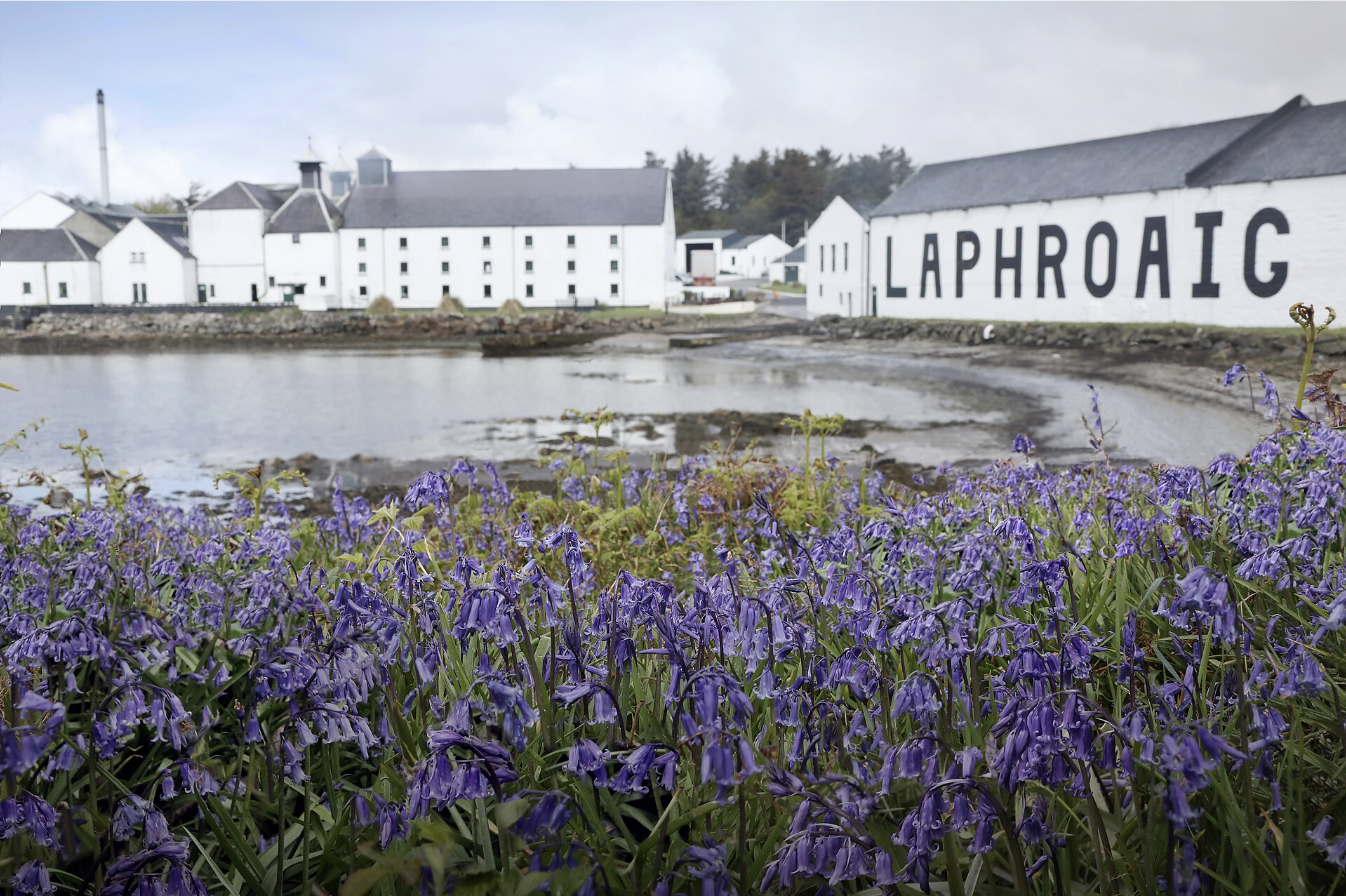
Islay's whisky reputation is built on smoke — but that reputation, like the island's physical geography, says far less than it first seems to.
Not every Islay distillery peats its malt, and among those that do, the gulf between the lightest whisper of peat and the heaviest smoke-monster is vast. While our earlier masterclass explored why Islay became Scotch's most distinctive region, this episode dives deeper: what “peated” actually means, how smoke is quantified, and why one small Scottish island produces spirits with radically different flavor profiles.
What a Phenol Reading (PPM) Actually Measures
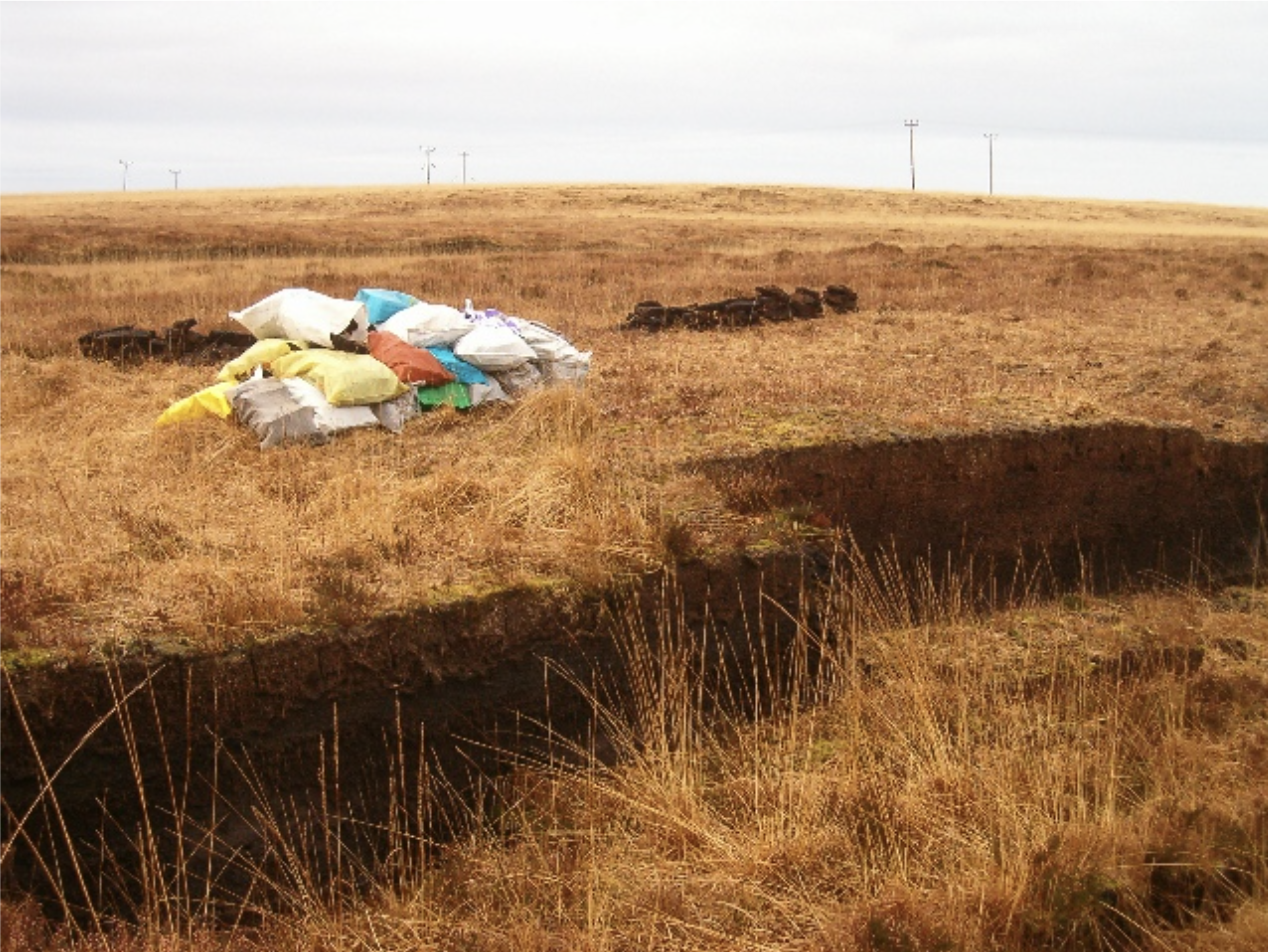
Distilleries that peat their malt describe the resulting level in parts per million (ppm) — a figure often treated by casual enthusiasts as a direct gauge for how smoky a liquid will taste in the glass.
The Reality: Phenol ppm is measured in the malted barley itself, before mashing, fermentation, or distillation — typically via high-performance liquid chromatography. It is a raw material specification, not a measurement of the finished whisky in your glass.
A substantial portion of those measured phenols never reaches the final spirit or cask:
- Mashing: Much of the phenol content remains trapped in the spent grain.
- Fermentation: Organic chemical changes can mask, alter, or diminish phenolic compounds.
- Distillation: Phenols are heavy, high-boiling molecules released late in the distillation run. How much survives depends on the distiller's cut points and still shape.
- Maturation: Decades inside an oak cask strip away aggressive, “rubbery” notes as volatile compounds slowly evaporate through the wood.
Two Islay distilleries can start with identically specified 50 ppm malted barley and arrive at completely different smoke profiles, purely through variations in fermentation length, still geometry, fill levels, and cut points.
Case Study: Kilchoman Distillery
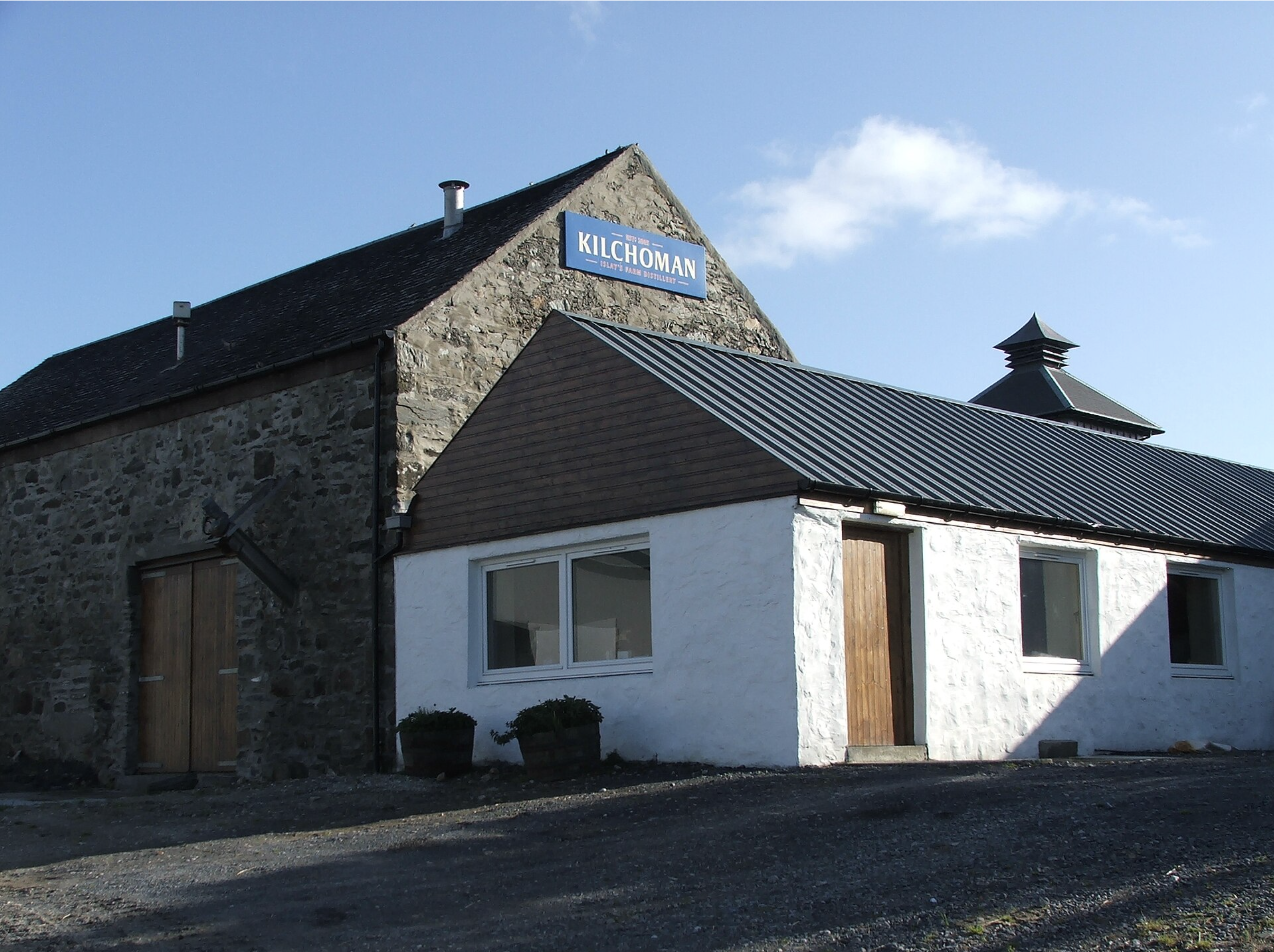
Kilchoman offers a clear illustration of this process:
- Its 100% Islay Single Farm malt is peated for roughly 10 hours to achieve a light ~20 ppm.
- Core releases utilize heavily peated malt sourced from Port Ellen Maltings at around 50 ppm.
- Despite the high initial specifications, Kilchoman's extraordinarily long 85-hour fermentation and small copper stills significantly soften the heavy phenolic character, yielding a remarkably elegant spirit profile.
One Distillery, Three Radical Peat Profiles
The clearest proof that peating is an intentional artistic choice rather than a regional rule sits within a single estate: Bruichladdich Distillery.
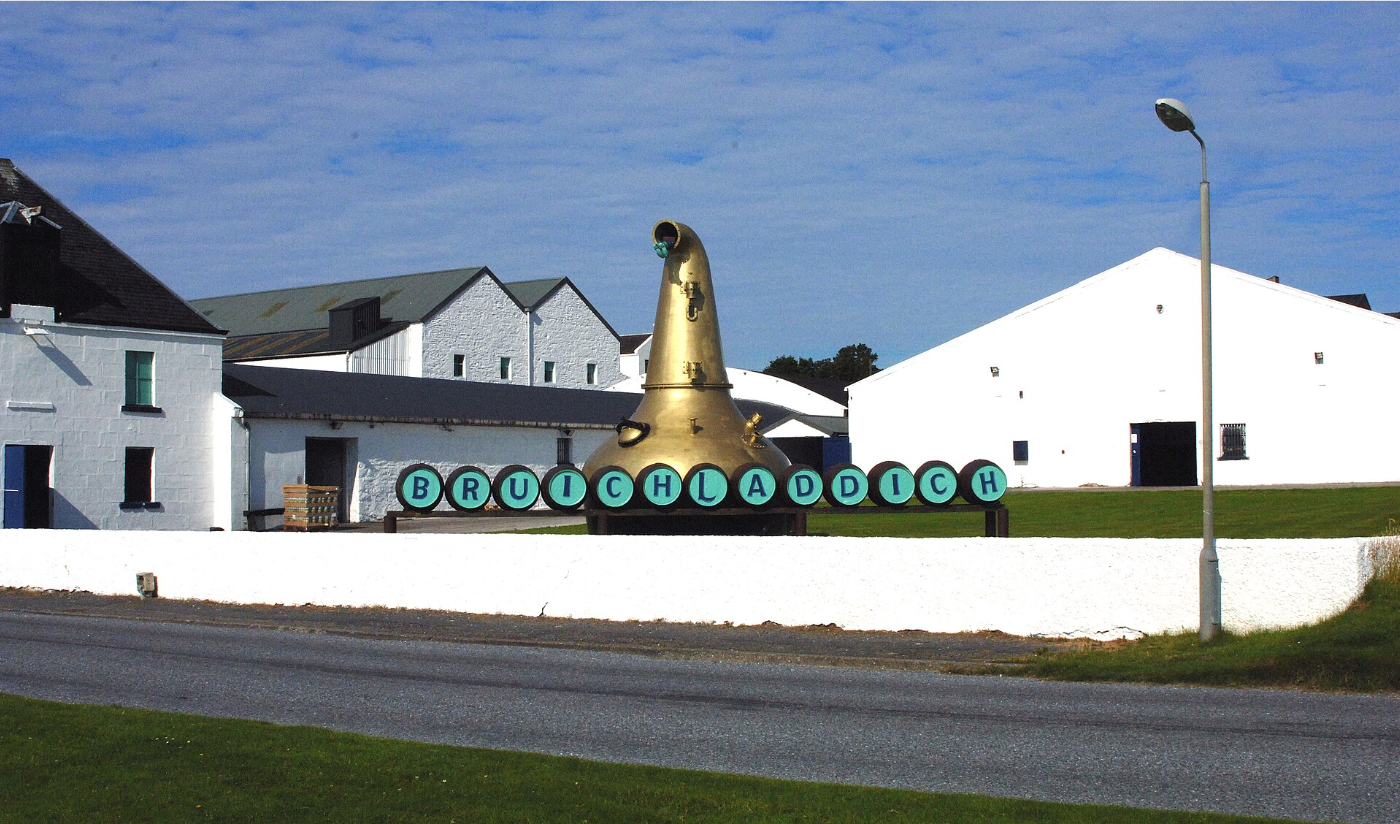
- Bruichladdich (Core Unpeated): Crafted at virtually 0 ppm, focusing entirely on floral, maritime fruitiness and barley forwardness.
- Port Charlotte: Held intentionally at a steady, balanced 40 ppm — a benchmark for classic peated Islay style.
- Octomore: The outer limits of Scotch whisky. Recent editions have surpassed 100 ppm, with experimental releases measured at over 300 ppm in the grain.
“Port Charlotte is all about consistency, while Octomore is about pushing the boundaries.”
— Adam Hannett, Head Distiller
The Island's Unpeated Heritage
Islay's dominant reputation for smoke often overshadows its rich history of unpeated craftsmanship.
Bunnahabhain, situated on the northeastern coast, built its legacy around this distinction: “While Islay is famous for peat, Bunnahabhain is celebrated for its unpeated, sherry-rich style with soft coastal influence.”
Even traditionally peated distilleries experiment outside their core house style; for instance, limited releases of unpeated Caol Ila occasionally emerge, providing collectors with rare glimpses into the distillery's pure, unsmoked spirit character.
Comparative Peat Spectrum Across Islay
Note: The ppm values below represent grain specifications used by trade publications and distilleries as indicative guidelines rather than absolute constants.
| Distillery / Range | Peat Specification (Grain PPM) | Character & Style Profile |
|---|---|---|
| Bunnahabhain | ~0 ppm | Unpeated, rich sherry maturation, coastal sea air |
| Bruichladdich | 0 ppm | Unpeated, floral, dynamic Scottish barley focus |
| Bowmore | ~20–25 ppm | Medium smoke, tropical fruit, gentle coastal brine |
| Kilchoman | 20 ppm / 50 ppm | Clean citrus, long ferment elegance, rich smoke |
| Lagavulin | ~35–45 ppm | Deep, rich, maritime smoke, dried fruits, oak tannins |
| Laphroaig | ~40–50 ppm | Medicinal, iodine, medicinal peat-smoke, punchy sea salt |
| Port Charlotte | 40 ppm (constant) | Elegant, barbecue-smoke balance, heavy coastal influence |
| Caol Ila | Moderate to Heavy (~30–50 ppm) | Crisp, smoky, clean oily texture, bonfire ash |
| Ardbeg | ~50–55 ppm | Intensely peated, zesty lime, soot, complex earthy smoke |
| Octomore | 100 ppm to 300+ ppm | Ultra-peated, raw intensity, surprising floral subtlety |
What This Means for Cask Investors
For cask private buyers and institutional collectors, general distillery house styles are important context — but they are never a substitute for an individual cask's verified paperwork.
When acquiring whole casks, Whisky Cask Club advises confirming the specific parameters declared by the distillery for that exact fill:
- Declared Spirit Name & Specification: (e.g., Peated vs. Unpeated run)
- Fill Date & Cask Number
- Wood Type & Previous Contents: (e.g., Ex-Bourbon Barrel, First-Fill Oloroso Sherry Butt)
- Current Volume (RLA) & Alcohol Strength (ABV%)
- Bonded Warehouse Location & Latest Regauge Date
Key References & Sources
- Scotch Whisky Magazine: The Truth About Peated Whisky and Phenols
- Kilchoman Distillery: What is PPM in Whisky?
- Bunnahabhain Distillery: Unpeated Islay Whisky Collection
- Whisky Advocate: Octomore — Exploring Scotch Whisky's Ultra-Peated Star
- The Whisky Wash: Peated Scotch Whisky Guide — PPM Scale Explained
- WhiskeyAtlas: Islay Distillery Peat Level Index