
TL;DR
- The six Highland neighbourhoods are a trade map, not six legally protected regions; Speyside also has its own protected regional status.
- Examples from Glengoyne to Old Pulteney show how production, wood policy and history differ even within one neighbourhood.
- Use the map to locate a distillery, then check the individual cask’s filling date, wood, volume, strength and warehouse evidence.
The Highland Masterclass, Episode 2
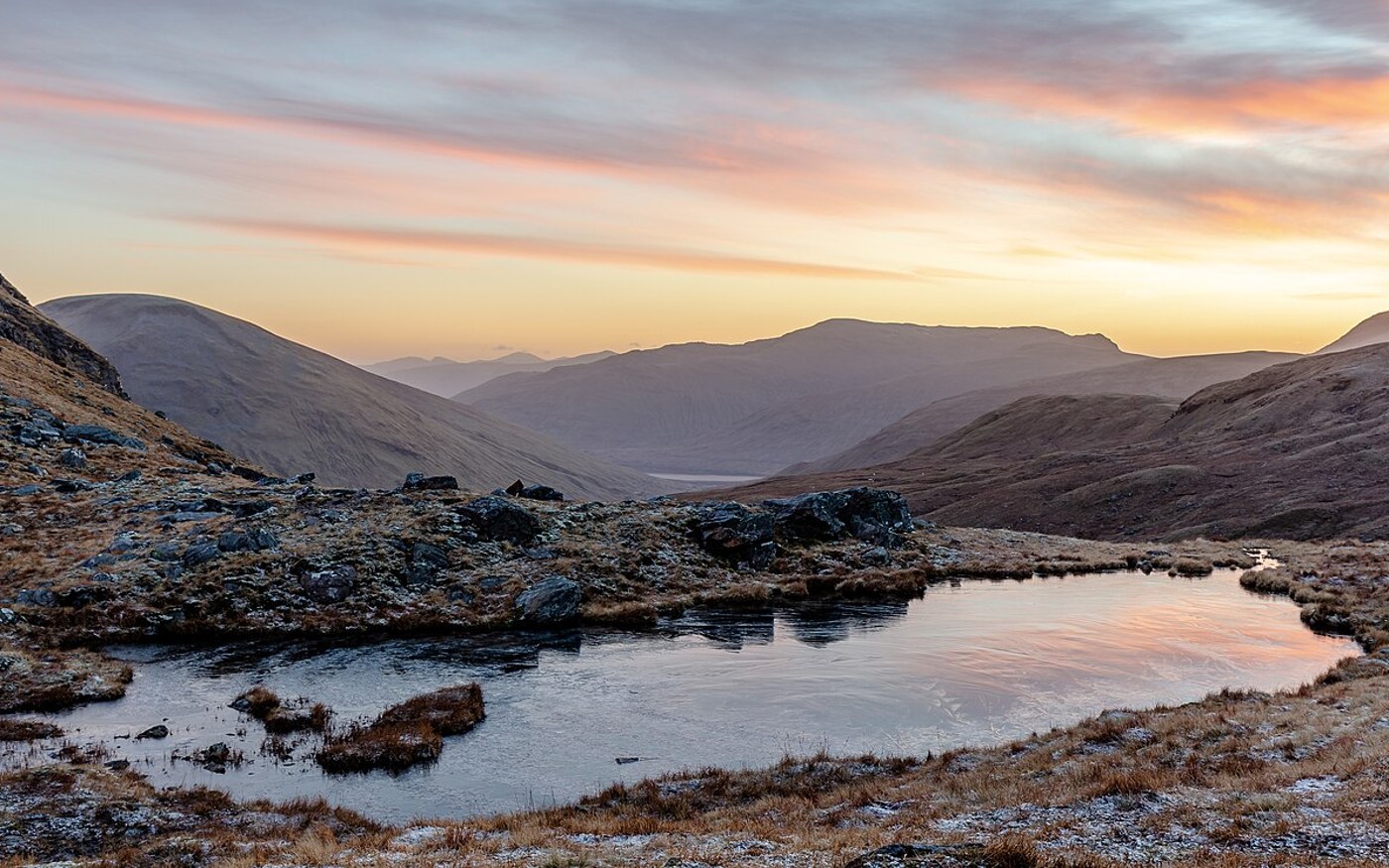
Episode 1 ended on a practical point: Highland is a legal label covering a very large and varied area, so the label alone says little about what is in the glass. This episode puts some shape back into the map. The whisky trade often divides the Highlands into six informal neighbourhoods, and each one has its own landscape, its own history and its own distilleries worth knowing.
These neighbourhoods are shorthand, not law. The Scotch Whisky Regulations 2009 define the Highland region as a whole, and the borders between neighbourhoods are drawn by writers and retailers, so they move a little from one guide to the next. Their value is practical. They give you a way to place a distillery on the map and a reason to ask better questions about it. This tour follows the Whisky Exchange's version of the map and adds checkable details from each area.
The South: Standing on the Line
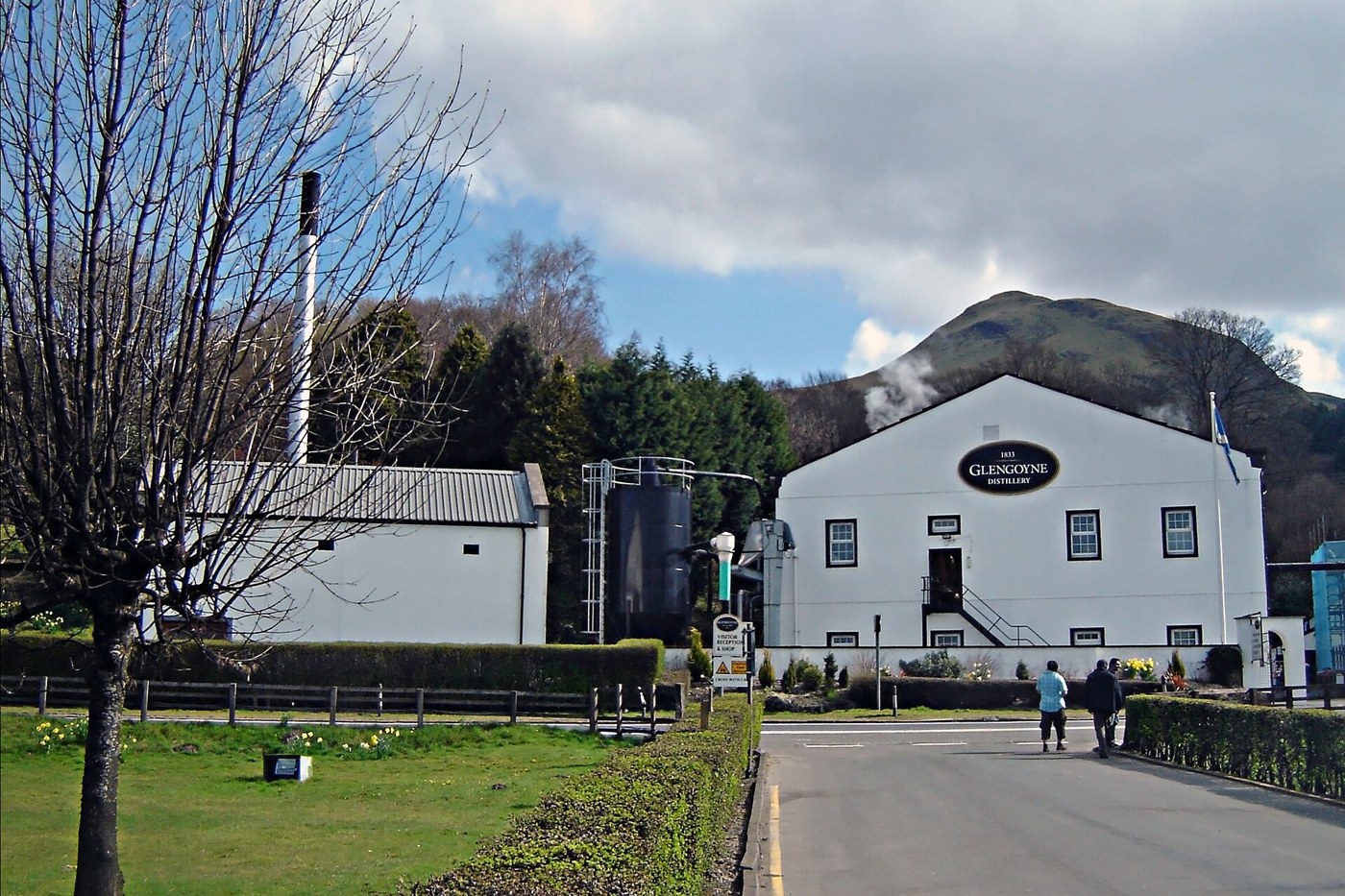
The southern Highlands sit closest to the old Highland line, and the best illustration is Glengoyne, near Loch Lomond. The distillery dates from 1833, when it was known as Burnfoot. Its stills are in the Highlands, while its maturing casks rest across the road in the Lowlands, because the boundary runs under the A81 in front of the site. Its water comes from the Glengoyne Burn, which flows down from Dumgoyne hill, and it dries its barley with warm air rather than peat smoke.
Deanston, on the River Teith near Stirling, has a very different story. The site began in 1785 as a cotton mill designed by Sir Richard Arkwright and became a distillery in 1966. Today it is self-sufficient in electricity through an on-site hydro-electric facility. The Whisky Exchange tags Glengoyne as grassy and intense and Deanston as waxy, a reminder that two distilleries in the same neighbourhood can taste quite different.
The West: Under the Mountain
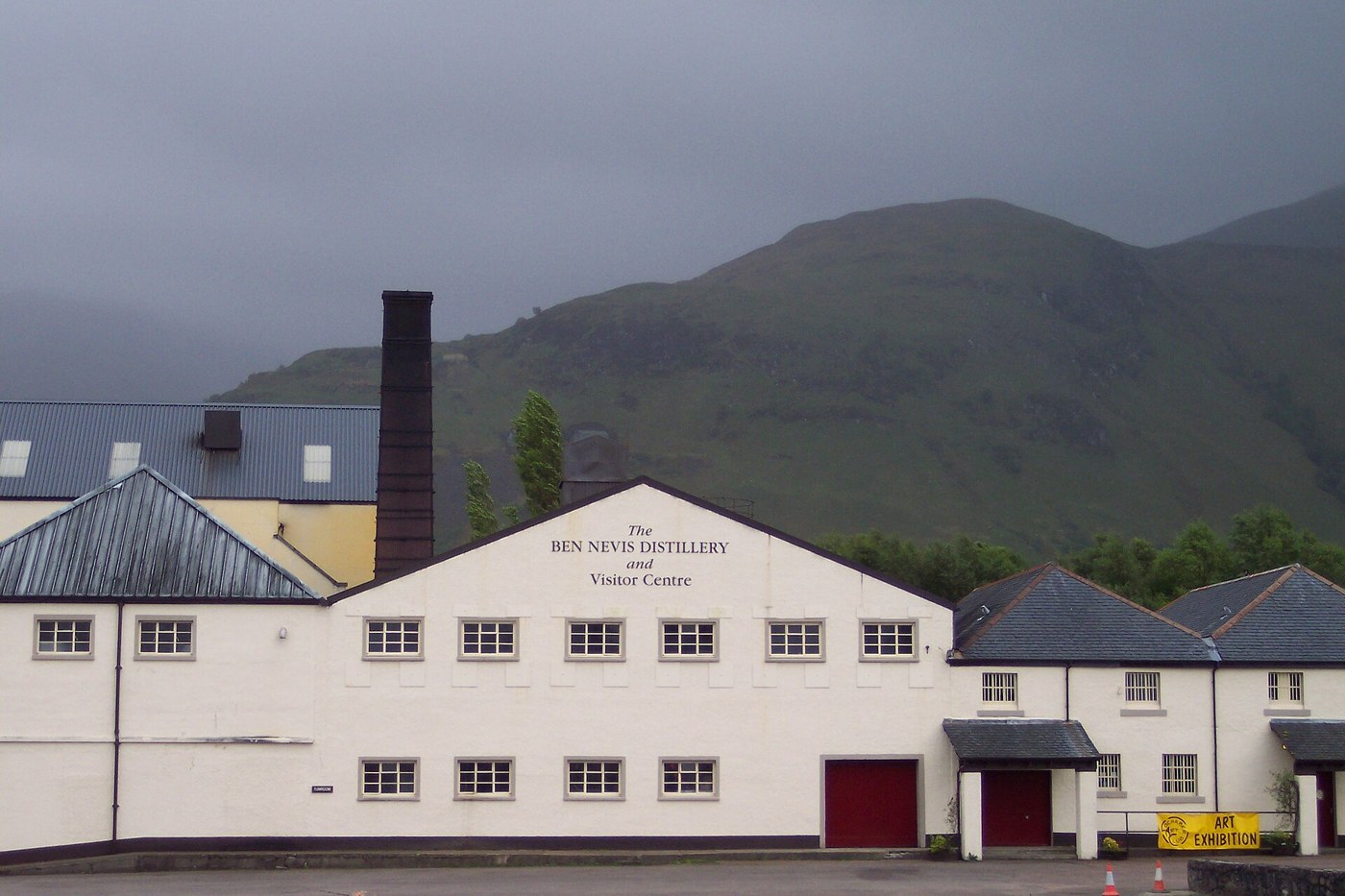
The western neighbourhood follows the Hebridean coast, and one of its mainland anchors is Ben Nevis Distillery at Fort William. It was founded in 1825 by "Long John" McDonald and stands at the foot of Ben Nevis, which at 1,345 metres is the highest mountain in the British Isles. Its water comes from the Allt a'Mhuilinn, a stream fed from two corries high on the mountain, Coire Leis and Coire na'Ciste. Nikka Whisky Distilling of Tokyo has owned the distillery since 1989, and a visitor centre opened in 1991.
Further down the coast, Oban, which Episode 1 placed at 1794, gives the neighbourhood its maritime fruitiness, while Ardnamurchan, one of the newer distilleries, makes both peated and unpeated spirit. The West therefore mixes very old and very recent names, from a founding date in the 1790s to a distillery that opened in the 2010s.
The North: Sea Routes and a Wood Policy
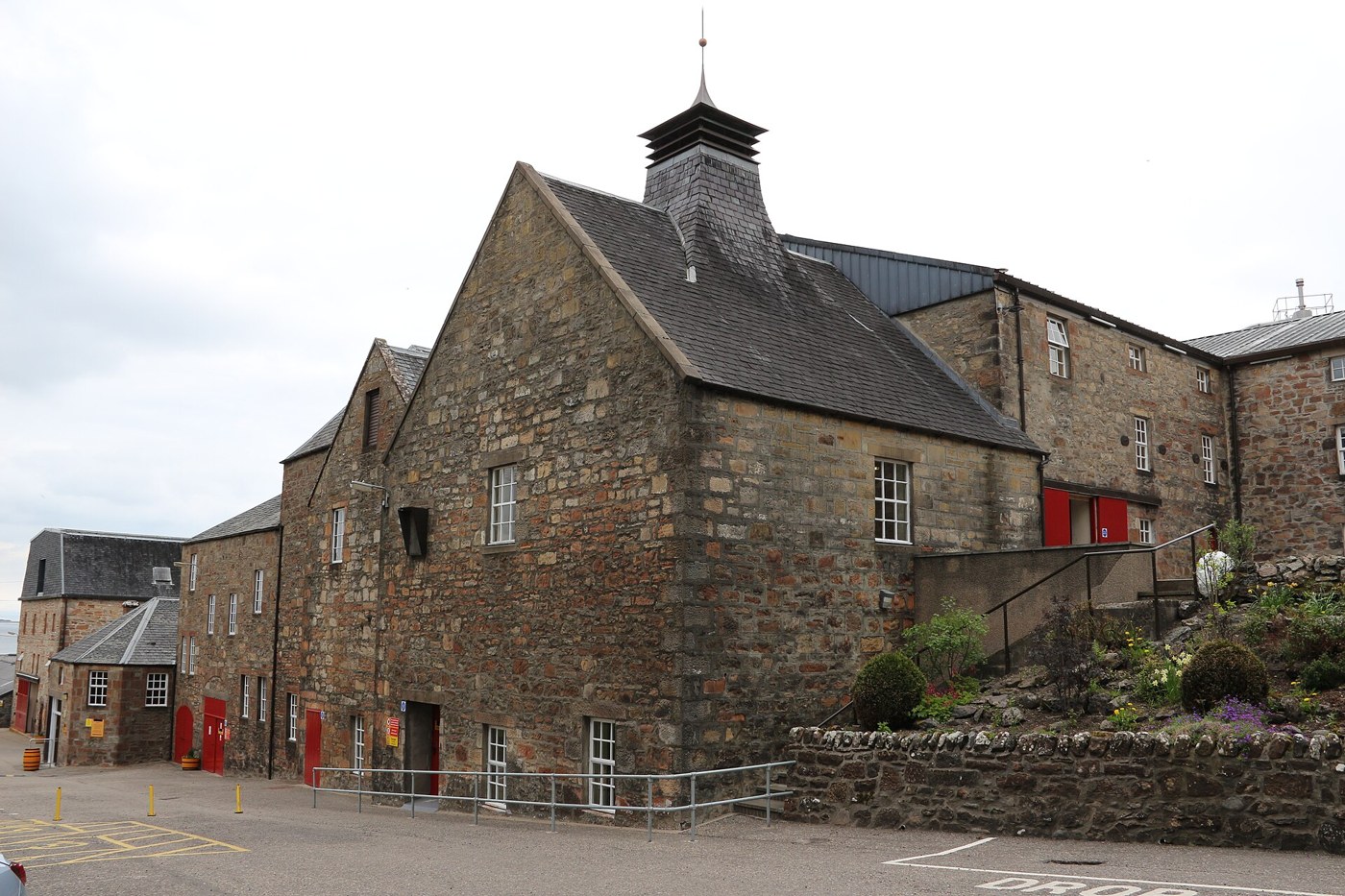
North of Inverness the map opens out towards the Dornoch Firth and the Caithness coast. Glenmorangie, in Tain, began as a brewery that William Matheson converted into a distillery in 1843. Its water comes from the Tarlogie Springs in the hills above the distillery, and the company bought about 600 acres around them in the 1980s to protect the supply. Glenmorangie also has a well-documented wood policy: it matures in white oak from its own forest in the Ozark Mountains of Missouri, and the new casks spend four years holding bourbon, leased to Jack Daniel's and Heaven Hill, before Glenmorangie fills them.
Further north, Old Pulteney in Wick dates from 1826 and sits in the Pulteneytown district, named after Sir William Pulteney. When it was established, the distillery was largely reachable only by sea, so barley arrived by ship and whisky left the same way, and many early workers also fished. It was long the most northerly distillery on the Scottish mainland, a title that Wolfburn, near Thurso, has since taken. Two distilleries in one neighbourhood, then, one defined by its wood and the other by its harbour.
The East: Farmland Under the Grampians
The eastern neighbourhood runs along the farmland and glens of the north-east. Fettercairn sits under the Grampian foothills in the Howe of the Mearns. It was founded in 1824 by Alexander Ramsay of the Fasque estate, who converted a corn mill at Nethermill, and it draws its water from the Grampian mountains. It has two wash stills and two spirit stills, and it has been part of Whyte & Mackay since 1973.
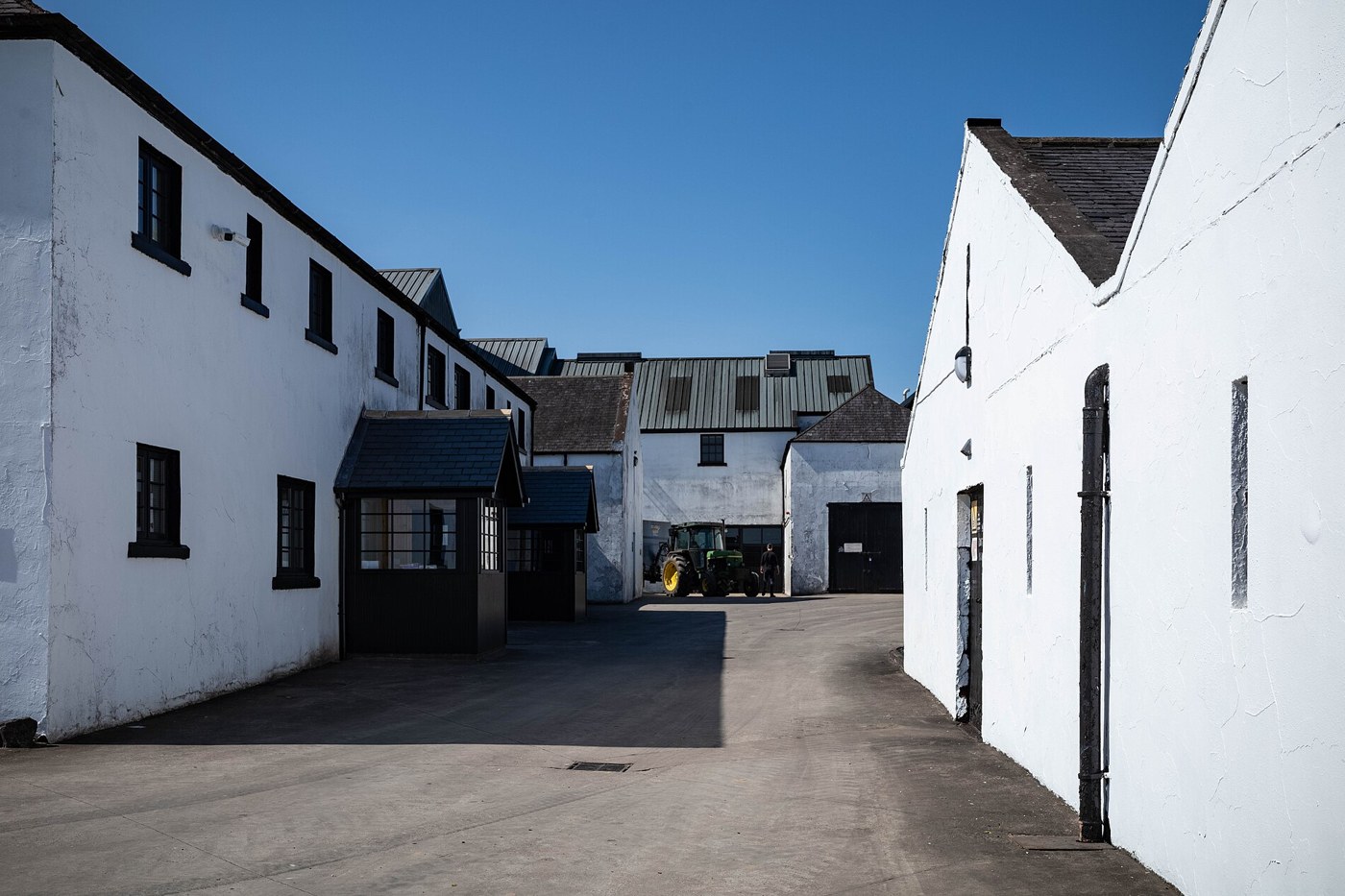
Fettercairn also shows how long an old distillery can stay in the story. A fire in 1887 closed it for a time and it was mothballed between 1926 and 1939, yet it operates today. The Whisky Exchange tags it as fruity and savoury, alongside the rich spirit of GlenDronach and Glenglassaugh, smoky Ardmore and creamy, malty Glencadam. Ardmore is a useful reminder that Highland does not automatically mean unpeated.
Central Perthshire: The Middle of the Map
At the heart of the Highlands, Perthshire's distilleries sit among rivers and hills rather than coastline. Aberfeldy was built by John Dewar & Sons, with work starting in 1896 and the distillery opening in 1898, on the southern bank of the upper Tay at the eastern edge of the town. Its water is the Pitilie Burn, which runs alongside the site. Aberfeldy is the largest malt component of Dewar's blended whisky, which shows how much Highland malt has long been made with blending in mind. Dewar's World of Whisky, the visitor centre, opened in 2000.
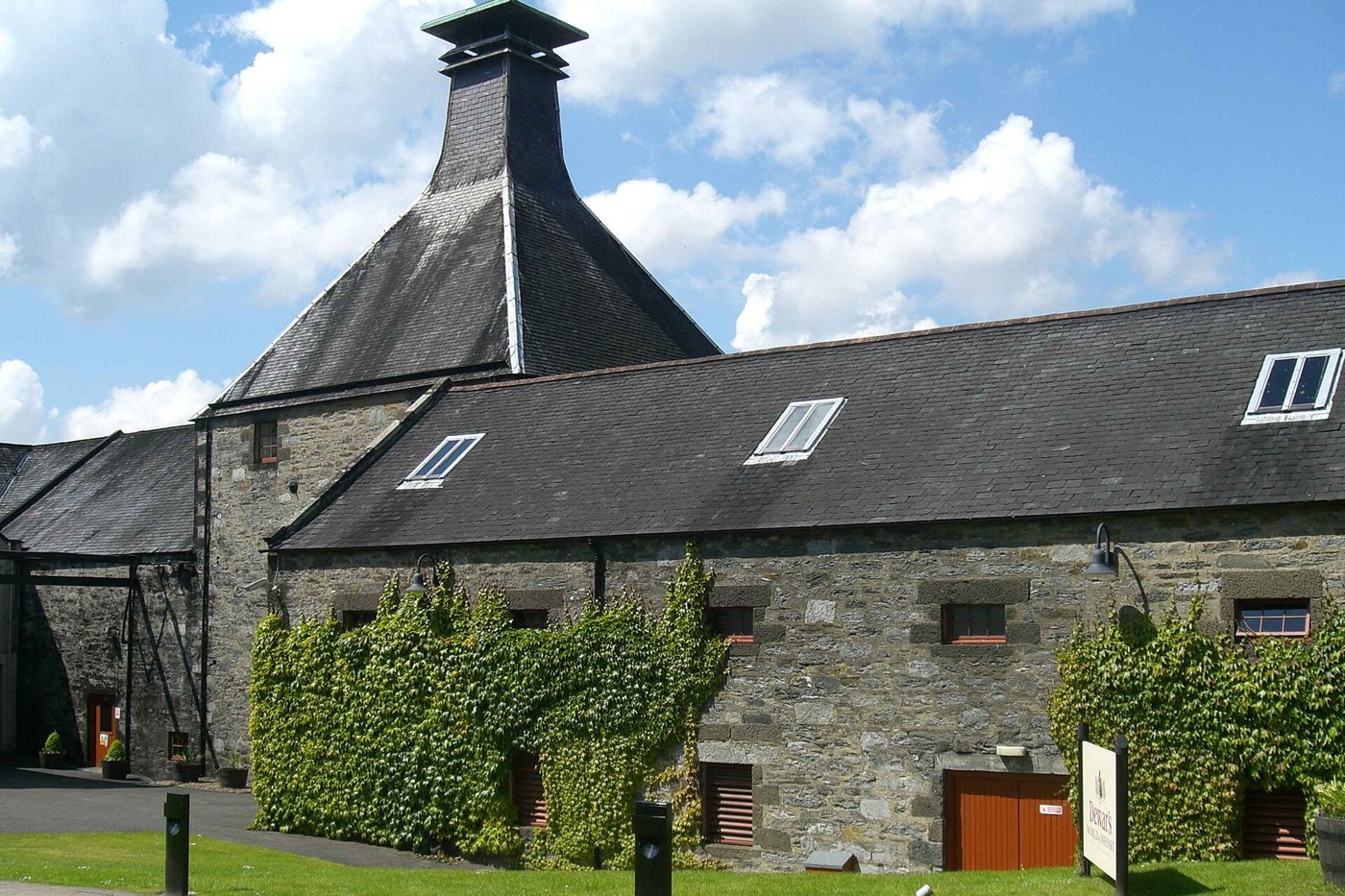
The Whisky Exchange tags the neighbourhood with spicy Aberfeldy, fruit-forward Edradour, honeyed Dalwhinnie and grassy Royal Lochnagar. One of those names comes with a caveat. Dalwhinnie, at 326 metres one of Scotland's highest distilleries, is described by Wikipedia as being in the Speyside region as defined by the Scotch Whisky Association, even though the trade's informal map places it among the Central Highlands. That mismatch is exactly why this map is best used as a guide to context, not a rule.
The Sixth Neighbourhood: Speyside
The trade's sixth neighbourhood is Speyside. Its council wards sit north of the Highland line, so Speyside is often described as part of the Highlands, yet it is also a protected region in its own right, with its own identity and its own labels. For that reason this series treats it separately and does not try to compress it into a paragraph here.
Using the Map Well
The neighbourhoods work best as a second layer of context. The legal region tells you a spirit was distilled north of the Highland line. The neighbourhood tells you roughly where, and what kind of landscape surrounds the distillery. Neither tells you what is in a particular cask. As the examples above show, two distilleries in the same neighbourhood can differ in water, wood policy, ownership and history: Glengoyne dries its barley with warm air while Deanston began as a cotton mill, and Glenmorangie fills casks from its own sourced oak while Old Pulteney grew up around a harbour.
The practical order of questions is therefore simple. Start with the region, narrow to the neighbourhood, then ask which distillery, because the distillery is the unit that carries the real detail.
Reading a Cask's Paperwork With the Map in Mind
If a cask is described as "Northern Highland" or "Perthshire", treat that as a prompt, not an answer. The fields that carry the information are the same ones used throughout the Islay series: the distillery, the fill date, the cask number, the type of wood and previous contents, the volume and strength, and the warehouse where it is held. The neighbourhood is useful colour, and the paperwork is the record.
A confident buyer is one who can place a cask on the map and then check each of those fields against the documents. That habit works the same way for a Glengoyne from the southern edge as for a Fettercairn from the north-east.
This series is for education and is not financial advice. Cask ownership is a long-term commitment and outcomes vary, so independent legal and tax advice is a sensible step before any purchase.
Frequently asked questions
What are the six Highland neighbourhoods in this guide?
The guide follows a trade grouping of the South, West, North, East, Central Perthshire and Speyside. These informal boundaries can differ between writers, and Speyside is separately protected in law.
Why is Glengoyne Highland whisky if its casks mature in the Lowlands?
Its stills are on the Highland side of the boundary, while its warehouses sit across the road in the Lowlands. The example shows why the place of distillation and the place of maturation should not be confused.
Can a Northern Highland label tell me how a cask will taste?
Only in a very broad contextual sense. Distilleries in the same neighbourhood differ in production and wood policy, so the distillery identity and individual cask records are more informative.
Sources
The Whisky Exchange, The Essential Guide to Highland Single Malt Whisky (neighbourhoods and flavour tags): https://www.thewhiskyexchange.com/inspiration/article/17662/highland-whisky
Scotch Whisky Regulations 2009, regulation 10 (definitions of the protected regions): https://www.legislation.gov.uk/uksi/2009/2890/regulation/10/made
Glengoyne distillery (Wikipedia): https://en.wikipedia.org/wiki/Glengoyne_distillery
Deanston distillery (Wikipedia): https://en.wikipedia.org/wiki/Deanston_distillery
Ben Nevis distillery (Wikipedia): https://en.wikipedia.org/wiki/Ben_Nevis_distillery
Glenmorangie distillery (Wikipedia): https://en.wikipedia.org/wiki/Glenmorangie_distillery
Old Pulteney distillery (Wikipedia): https://en.wikipedia.org/wiki/Old_Pulteney_distillery
Fettercairn distillery (Wikipedia): https://en.wikipedia.org/wiki/Fettercairn_distillery
Aberfeldy distillery (Wikipedia): https://en.wikipedia.org/wiki/Aberfeldy_distillery
Dalwhinnie distillery (Wikipedia): https://en.wikipedia.org/wiki/Dalwhinnie_distillery
Whisky Cask Club Investor Guide 2026, Highland Masterclass Episode 1, and Islay Masterclass Episodes 1 to 6.
Images: Highland hill loch by Michal Klajban (CC BY-SA 4.0); Glengoyne Distillery by Me haridas (CC BY-SA 4.0); Ben Nevis Distillery by Jousset (CC BY-SA 4.0); Glenmorangie Distillery by Braveheart (CC BY-SA 4.0); Fettercairn Distillery by rboed* (CC BY 2.0); Aberfeldy Distillery by Garrit (CC BY-SA 3.0). All via Wikimedia Commons, cropped for layout.