
TL;DR
- Islay’s smoky reputation grew through individual distilleries and their international followings, not a uniform island-wide style.
- Malt peat levels do not directly measure smoke in the finished whisky; distillation and cask history also matter.
- Assess each Islay cask through its records, condition, rights and costs. Regional fame does not establish value or assure a buyer.
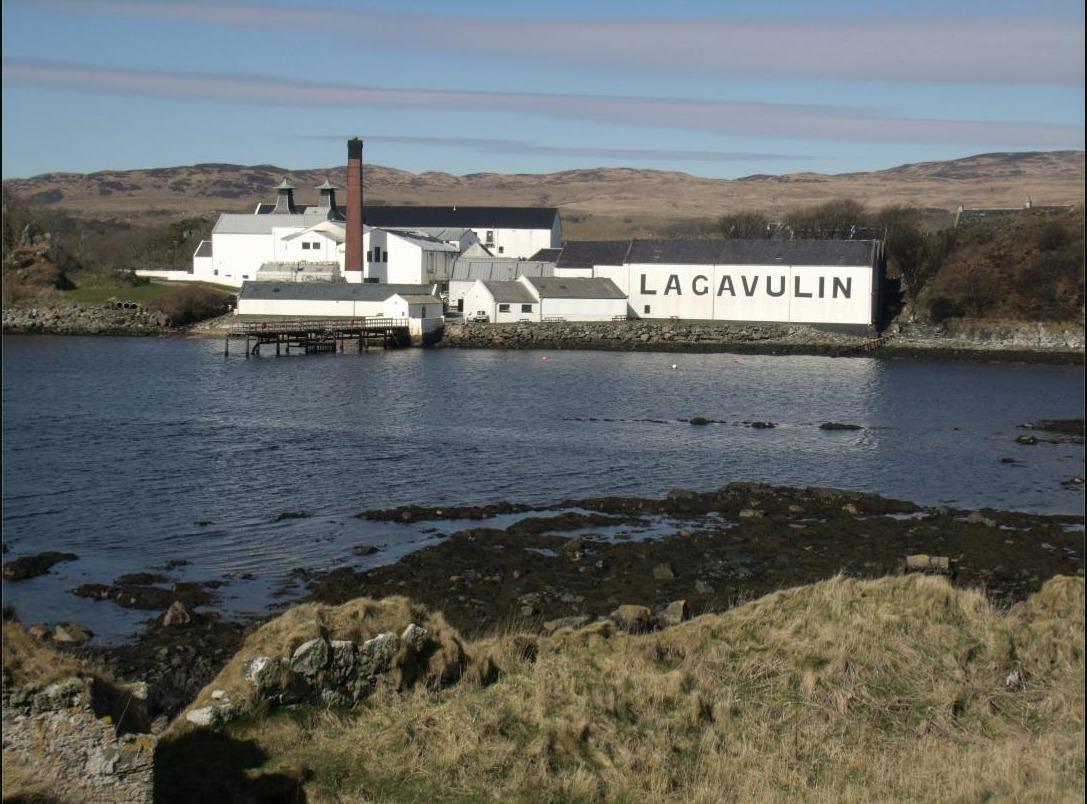
Lagavulin Distillery on Islay’s south coast, seen across Lagavulin Bay, one of the island’s oldest and most photographed distilleries. Photo by Euan Nelson, CC BY-SA 2.0, via Wikimedia Commons.
Place this account in context with our guide to Islay whisky region.
Islay is one of five geographical indications protected under Scotch whisky law, but its reputation reaches further than its size would suggest. A small island in the Inner Hebrides has become the reference point most drinkers reach for when they think of smoky, peated Scotch, yet that reputation does not apply evenly across the island, and it says little on its own about what a particular cask is worth.
Where Islay fits in Scotch whisky
The Scotch Whisky Regulations protect Islay alongside Highland, Lowland, Speyside and Campbeltown. The name concerns origin: whisky labelled with the Islay locality must also meet the legal requirements for Scotch whisky, including distillation and maturation in Scotland and at least three years in oak casks no larger than 700 litres.
Long-established Islay distilleries include Ardbeg, Bowmore, Bruichladdich, Bunnahabhain, Caol Ila, Kilchoman, Lagavulin and Laphroaig. Ardnahoe began production more recently, and Port Ellen has resumed distilling after a long closure, so a dated distillery map is safer than repeating a fixed total. Laphroaig is a distillery and place name on Islay, not the island’s largest settlement, Bowmore holds that role, and is also Islay’s administrative centre.
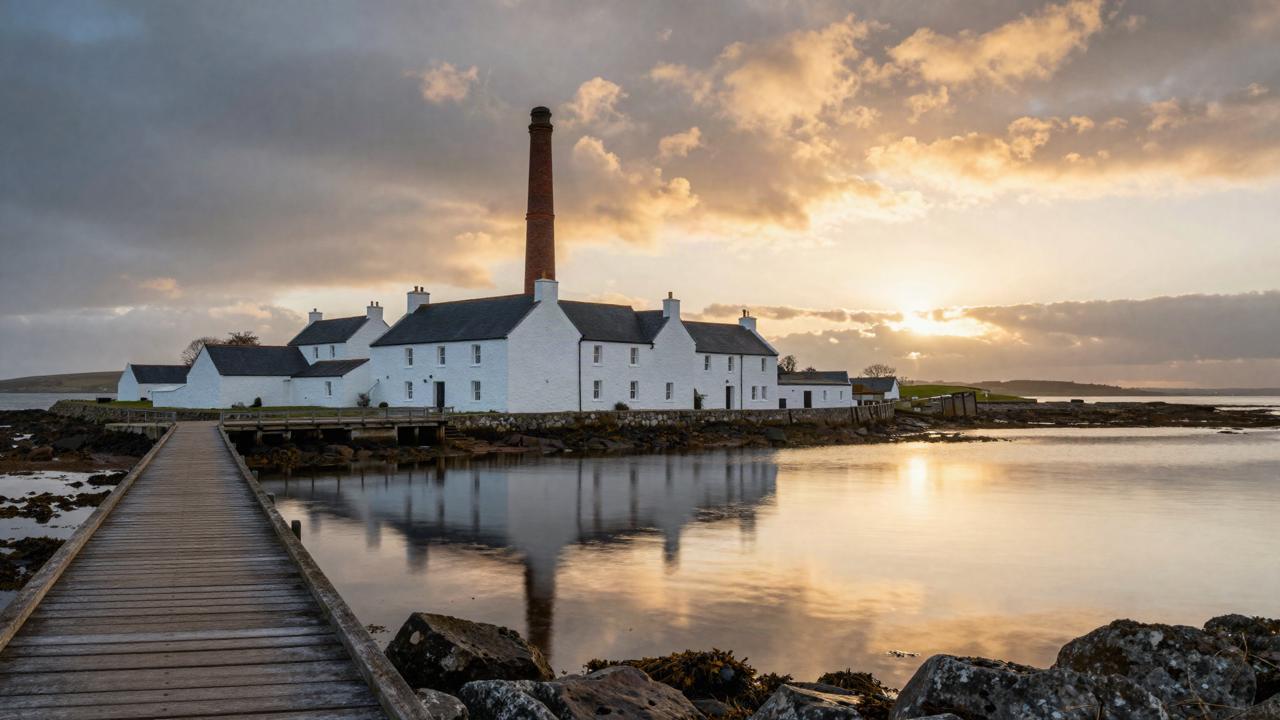
A working distillery on Islay. The island is currently home to several active producers, with names and totals shifting as sites reopen or begin production.
How a small island built an outsized reputation
Islay’s resident population is small relative to its whisky fame. Several of its distilleries (Ardbeg, Lagavulin and Laphroaig among them) built independent export followings that made the island’s name recognisable well beyond its size, reinforced by the international profile individual brands have built over decades rather than by the island acting as a single unified producer.
That recognition sits inside a much larger picture. The Scotch Whisky Association reports that Scotch reached more than 160 markets and generated £5.36 billion in export value in 2025. That is category-wide evidence covering all of Scotland’s whisky regions, not a valuation measure for a particular Islay cask, and it says nothing about how easily any single cask could be sold.
No universal ranking can identify a single ‘best Islay cask’. A distillery’s export profile is one data point among several a buyer should weigh, alongside the specific cask’s condition, documentation and the buyer’s own intended use: private bottling, resale or long-term holding all favour different casks.
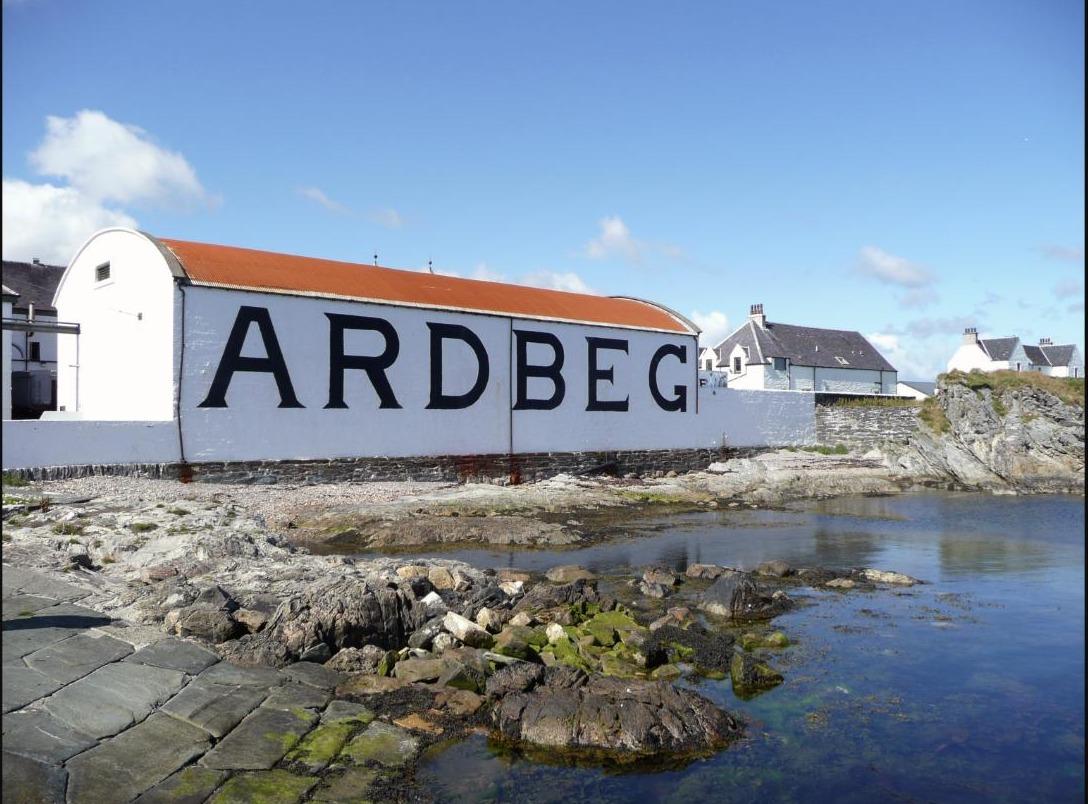
Ardbeg Distillery, one of the individual Islay brands (alongside Lagavulin and Laphroaig) that built export followings well beyond what the island’s size alone would suggest. Photo by Ayack, CC BY-SA 3.0, via Wikimedia Commons.
Peat, water and what actually varies
Peat forms where partly decomposed plant material accumulates in wet, low-oxygen ground. Some Islay maltsters burn it while drying malted barley, and the resulting smoke compounds can survive fermentation, distillation and maturation. Producers commonly measure phenols in malt in parts per million, but that malt specification is not a direct measure of smoky flavour in the finished spirit.
Not all Islay malt is dried over peat, and not every distillery malts all of its own barley, some maintain floor maltings while also using malt supplied to specification by commercial maltsters. The source of malt, peat level, distillation and cask history should be checked for the particular whisky rather than assumed from the island’s name alone.
Seaweed, iodine, brine and bonfire are tasting terms rather than ingredients in the legal definition. Coastal maturation may affect warehouse conditions, but a salty impression in the glass is not proof that seawater or ocean air entered the cask. Our whisky-making guide explains where these differences enter the production process.
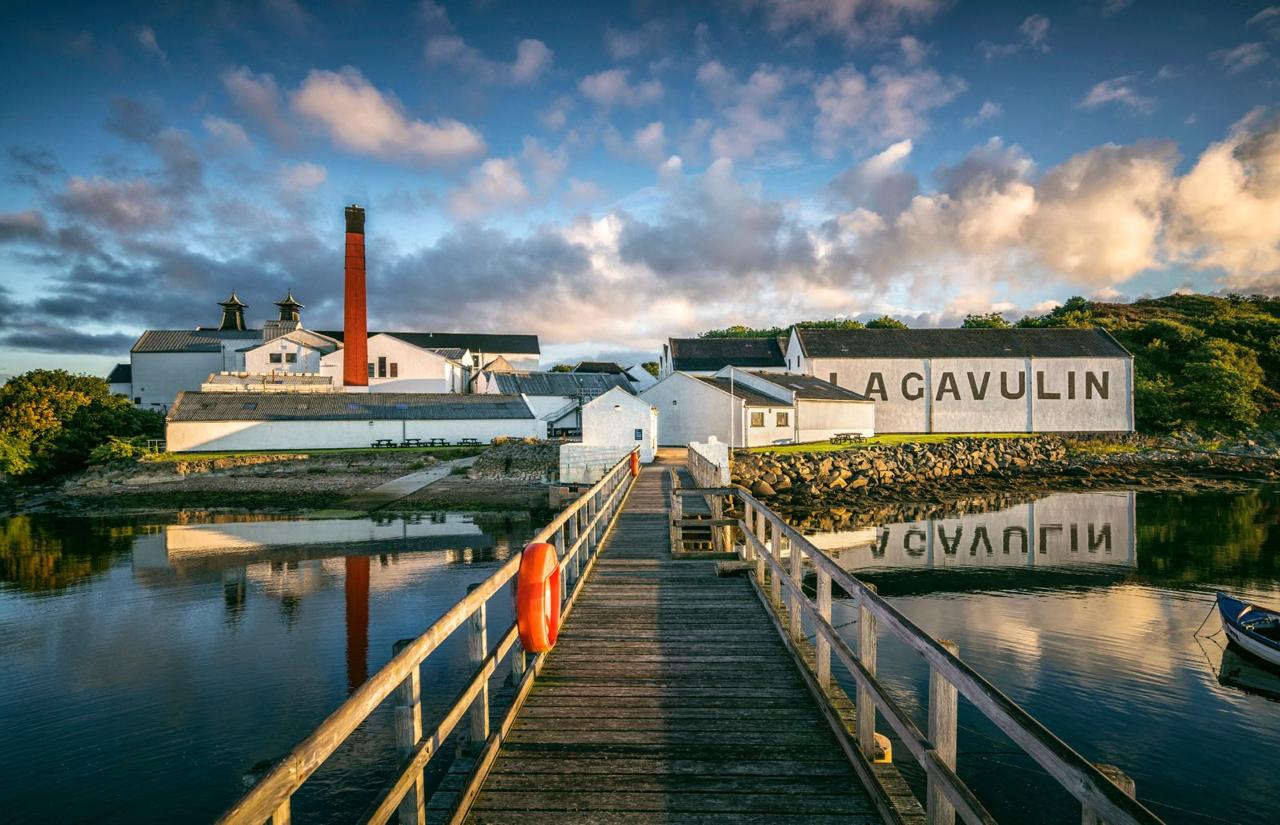
Malt source, peat level, distillation and cask history vary by distillery and should be checked individually rather than assumed from the region.
How to assess an Islay whole cask
An Islay description alone is not enough to identify a cask. Confirm the distillery or declared spirit name, fill date, cask number, wood type, previous contents, current volume, alcohol strength, warehouse and regauge date. Some sales carry naming or bottling restrictions, so check these in writing. Storage, insurance, sampling, movement and bottling all cost money, and no future buyer is assured.
Whisky Cask Club sells physical whole casks rather than fractions. It issues a Certificate of Entitlement first; warehouse evidence follows where applicable, and a cask may need to move before a bonded warehouse can issue a Delivery Order. Read the ownership guide and the entry and exits guide before making an enquiry about a specific whole cask.
Frequently asked questions
How did a small island become so well known for whisky?
Distilleries including Ardbeg, Lagavulin and Laphroaig developed export followings over decades. Their individual brand profiles helped make the Islay name internationally recognisable.
Does a higher malt phenol reading always mean a smokier Islay whisky?
No. Phenols measured in malt are a production specification, not a direct reading of smoke in the finished spirit. Later production choices and cask history also shape the result.
Is there one best Islay cask for every buyer?
No universal ranking can establish that. Private bottling, resale and longer holding call for different assessments of the cask’s condition, documentation, restrictions and costs; a future buyer is not assured.