
Islay Masterclass · Episode 6 of 6
TL;DR
- Identify the exact cask and make sure its records agree.
- Check the transfer documents and obtain independent warehouse confirmation.
- Get ongoing costs and potential changes in writing.
- Understand the holding period, resale process and any bottling restrictions before committing.
- A famous name is not a substitute for verified title, condition or a workable exit plan.
Five questions for any Islay cask, and what a good answer looks like
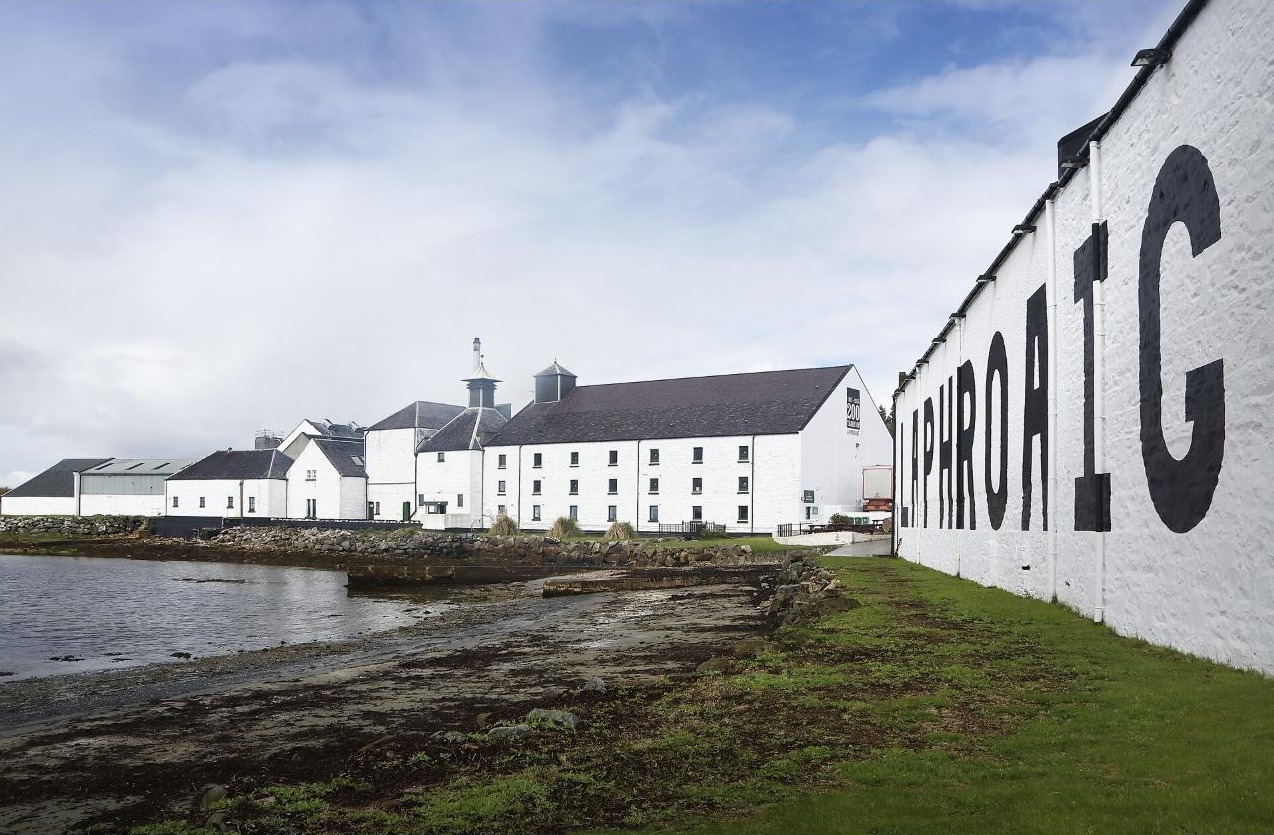
Over the first five episodes, this series has looked at what makes Islay distinctive, why a peat number is only one part of how a whisky tastes, how closed-distillery scarcity works, how an Islay cask matures, and which myths are worth retiring. This final episode turns all of that into something practical: the questions worth asking before you buy an Islay cask, and what a good answer should look like when it arrives.
The approach is simple. A well-prepared buyer does not need to be an expert in whisky or in law. They need five clear questions, a willingness to ask for the answers in writing, and the patience to check them. Any seller worth dealing with should be glad to be asked.
Why Good Questions Matter
Buying a cask is a direct, private arrangement between buyer and seller. That is part of its appeal, and it means the documents you collect and the confirmations you receive are the foundation of your ownership. A well-prepared buyer gathers them early, and a good seller is glad to provide them.
The five questions below are how you do that. Each one points to a document, a confirmation or a plan, and together they give you a clear, checkable picture of what you own and where it sits.
Question 1: What precisely identifies the cask?
A cask should be pinned down by specific details: the distillery, the cask number, the vessel type, the fill date, and the warehouse where it is held. These details should appear in one place and match across every document you receive.
Islay adds three useful checks. First, ask about the spirit itself. As Episode 2 showed, a peat reading on the malt is a starting ingredient and only one part of what ends up in the glass, so ask what the spirit actually is rather than assuming it from the island’s reputation. Second, remember Episode 5: Islay offers many styles rather than one category. A farm distillery such as Kilchoman, founded in 2005, and the island’s large-volume producers tell very different stories, and a cask’s story rests on its own documented facts. Third, check the fill date carefully. Episode 3 showed that Port Ellen stock filled before the distillery closed in 1983 and spirit made since it reopened in 2024 are two different scarcity stories, so the date on the paperwork matters.
A good answer: every identifying detail written down once, consistent across the certificate, the Delivery Order and any warehouse records.
Question 2: Which document evidences the transfer, and when is it issued?
A seller may issue a Certificate of Entitlement and use a Delivery Order to instruct a transfer. A certificate alone does not establish warehouse-recognised title. Ask the warehouse which documents and instructions it requires, confirm the seller’s authority to transfer the cask, and obtain confirmation that the transfer has been accepted. Documentation and custody arrangements can differ.
So ask which documents you will receive, when each one is issued, and who signs it.
A good answer: named documents, a stated timetable, and a clear explanation of which one the warehouse recognises.
Question 3: Who confirms custody after completion?
Once you own a cask, the bonded warehouse is the party that physically holds it. Ask the named warehouse to confirm the custody arrangement and whose interest it recognises directly; consider that confirmation alongside the contract and transfer documents. Ask who confirms custody, how often it is reviewed, and whether you can request confirmation yourself using the cask number.
A good answer: a named warehouse, a contact route, and a seller who is comfortable with you checking.
Question 4: Which costs can change over time?
Holding a cask involves ongoing costs, and some of them can be reviewed over time. Ask what is charged for storage, insurance and administration, which charges are fixed and which can change, who decides, and how much notice you receive. If bottling is ever on the table, ask what production, duty and delivery would add.
Ask about the physical side too. A maturing cask releases a small amount of volume to evaporation each year, at a rate that varies with the cask and storage conditions, which is the angel’s share. It is a natural part of maturation, so it helps to ask for the most recent strength and volume details.
A good answer: a written schedule of costs, with a clear statement of which ones can change.
Question 5: What routes are open to you when you want to exit?
It helps to know the possible routes before you commit. Their availability depends on the contract, warehouse requirements and any naming or bottling restrictions. You can keep holding while the cask continues to mature and its costs and condition are monitored. You can explore a sale, whether private, brokered or through the trade. You can transfer or gift the cask, following the warehouse’s own process. Or you can bottle it for private, corporate or commercial use, with production, duty and delivery planned in.
The best-prepared owners go in knowing all four, and treat bottling as a real choice rather than a fallback. Ask the seller which routes they support and how each one works in practice, so your plan is clear from day one.
A good answer: a clear description of each route and how it works in practice, in plain terms.
What a Good Delivery Order Shows
Formats vary, but a good Delivery Order lets the warehouse match it to a real cask and a named owner. Look for these details:
The name of the bonded warehouse holding the cask
The cask number
The distillery
The distillation or fill date
The latest available strength (ABV), with its measurement date, in the supporting records
The named parties and the ownership or custody arrangement the warehouse is being asked to recognise
Then take one more step. Contact the named warehouse yourself, quote the cask number, and ask it to confirm the details. Independent warehouse confirmation is an important check, alongside the contract, the seller’s authority and the completed transfer documents.
The Five Questions, in Short
What precisely identifies the cask? Distillery, cask number, vessel, fill date and spirit style, written once and consistent.
Which document evidences the transfer, and when is it issued? Confirm the contract and transfer documents required, and obtain warehouse acceptance; a certificate alone is not enough.
Who confirms custody after completion? The named bonded warehouse, and you can check with it directly.
Which costs can change over time? A written schedule, with changeable charges identified.
What routes are open at exit? Hold, explore a sale, transfer or gift, or bottle, all understood in advance.
Asking With Confidence
Across this series, the same idea keeps returning. Islay is a place with real variety, real history and real character, and a good cask is one you can describe precisely and prove you own. Peat levels, famous names and scarcity stories are all interesting, and each one is best paired with documents you have checked yourself.
Verified title and independent custody confirmation are central checks for any buyer. Ask these five questions, obtain clear written answers and resolve any discrepancies before proceeding.
This series is for education and is not financial advice. Cask ownership is a long-term commitment and outcomes vary, so independent legal and tax advice is a sensible step before any purchase.
Frequently asked questions
What should identify an Islay cask?
Check the distillery, cask number, vessel type, fill date, spirit details and named warehouse. The information should be consistent across the relevant records.
Does a Certificate of Entitlement prove ownership on its own?
No. Check the contract, the seller’s authority and the transfer process required by the warehouse. Obtain confirmation of the interest the warehouse recognises.
What is a Delivery Order?
It is an instruction used in transferring a cask. Ask the warehouse what it requires and obtain confirmation that the transfer has been accepted. Formats and custody arrangements vary.
Which ongoing costs should I check?
Request a written schedule covering storage, insurance and administration, including review terms. If bottling is contemplated, check production, duty, tax and delivery costs too.
How much whisky evaporates during maturation?
Evaporation varies with the individual cask and storage conditions. Request dated strength and volume measurements rather than relying on a universal percentage.
How long might I hold a cask, and how can I exit?
Whisky cask investment is long term and illiquid, with no fixed resale date. Potential routes include a sale, transfer or gift, or permitted bottling; continued holding is also an option, not an exit. Each depends on practical and contractual conditions. A buyer or a profitable sale cannot be assumed.
Sources
Whisky Cask Club Investor Guide 2026, Section 06 (exit choices) and Section 07 (five questions to ask before any purchase).
Scotch Whisky Association, Personal Investment in a Scotch Whisky Cask: https://www.scotch-whisky.org.uk/industry-insights/protecting-scotch-whisky/personal-investment-in-a-scotch-whisky-cask/
Whisky Partners, Delivery Orders explainer: https://whiskypartners.com/learn/do-you-need-a-delivery-order-whisky-cask-investment/
Islay Masterclass Episodes 2 to 5 (peat, Port Ellen, maturation and myths), including Kilchoman Distillery’s public company information.
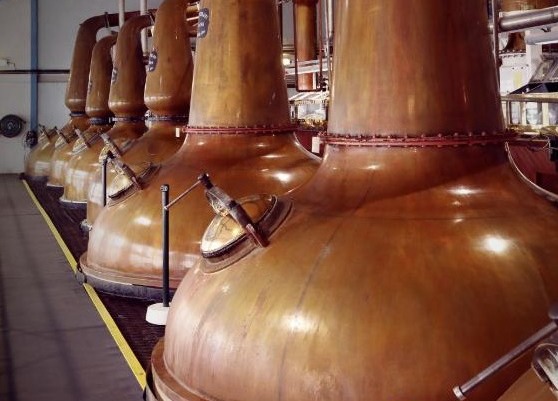
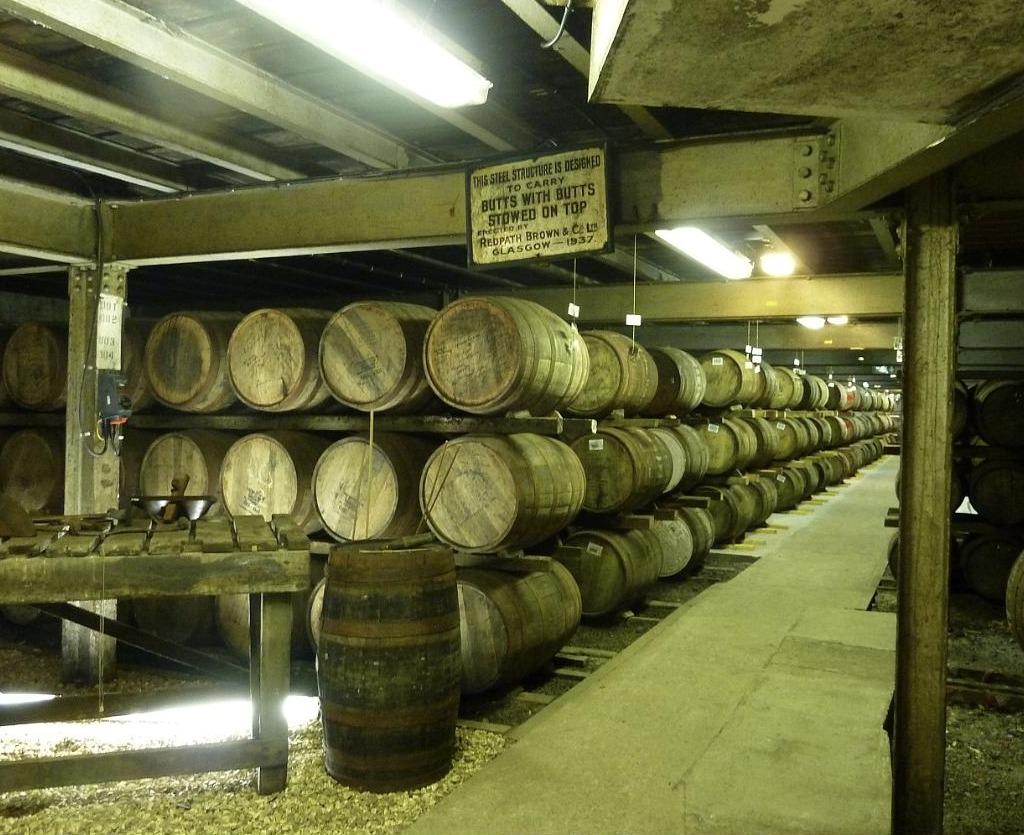
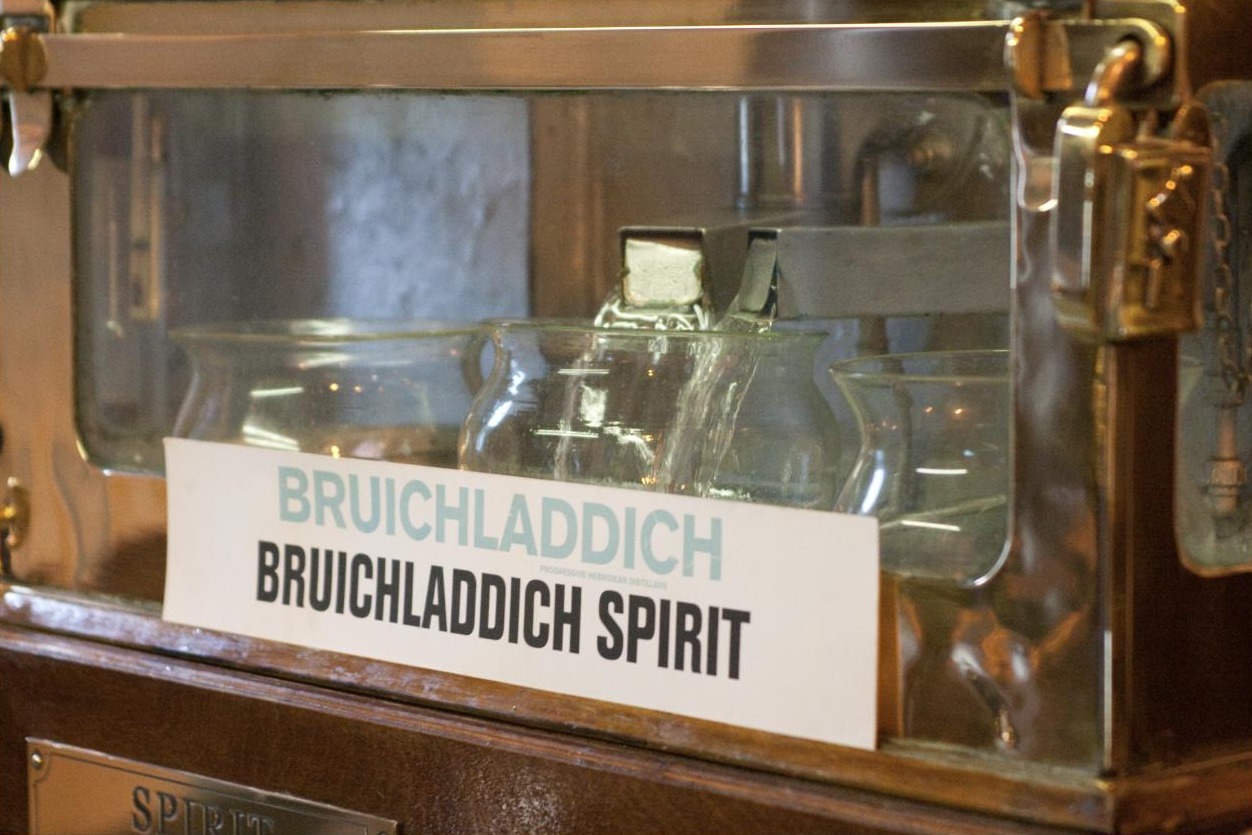
Images: Wikimedia Commons, used under Creative Commons licences. Laphroaig exterior and stills by Charlie Marshall (CC BY 2.0); Laphroaig cask store by Rob Farrow (CC BY-SA 2.0, via geograph.org.uk); Bruichladdich spirit safe by Michael McKechnie (CC BY 2.0). Images are illustrative and show no cask offered by Whisky Cask Club.
Risk note: Whisky cask investment is long term and illiquid. Values can fall, ongoing costs apply and evaporation affects the remaining spirit. There is no fixed holding period suitable for every cask. Resale depends on finding a willing buyer and completing the required transfer; no sale date or return is assured. Bottling is subject to applicable permissions, costs and taxes. This article is educational, not personalised investment, legal or tax advice.