
Islay Masterclass · Lesson 5 of 6
TL;DR
- Islay is not one uniform investment category: scale, history and maturation conditions vary.
- Famous distillery names are not immune to wider market conditions.
- Recognition does not create liquidity. Verify ownership, warehouse arrangements and the practical resale process.

Four episodes into this series, a pattern keeps repeating: Islay's reputation does a lot of the talking, and the facts underneath it are usually more specific, and more useful to an owner, than the reputation alone. Peat levels vary distillery to distillery and even within one distillery's own range. Scarcity depends on whether a site is closed, reopened, or has never stopped, not on the name over the door. Maturation speed depends on cask type, warehouse conditions and storage, not on how many years have passed on a label.
This chapter gathers three assumptions worth retiring for good, before the series turns to its final, most practical episode: what to actually ask before you buy. None of the three are abstract. Each one shapes a real decision: how an owner reads a distillery name, how an owner reads a quiet market, and how an owner decides whether a given cask is actually theirs to sell when the time comes.
Myth 1: "Islay" Is One Investment Category
Treat Islay as a single flavour or a single value story, and the first four episodes of this series already contradict it. Peated and unpeated whisky come from the same island, sometimes the same distillery (Lesson 2). A closed distillery's fixed pre-1983 stock and a reopened site's new production are not the same scarcity story, even when the name on the bottle is identical (Lesson 3). Two casks filled in the same year, in the same warehouse, can mature at different rates depending on cask type and storage (Lesson 4).
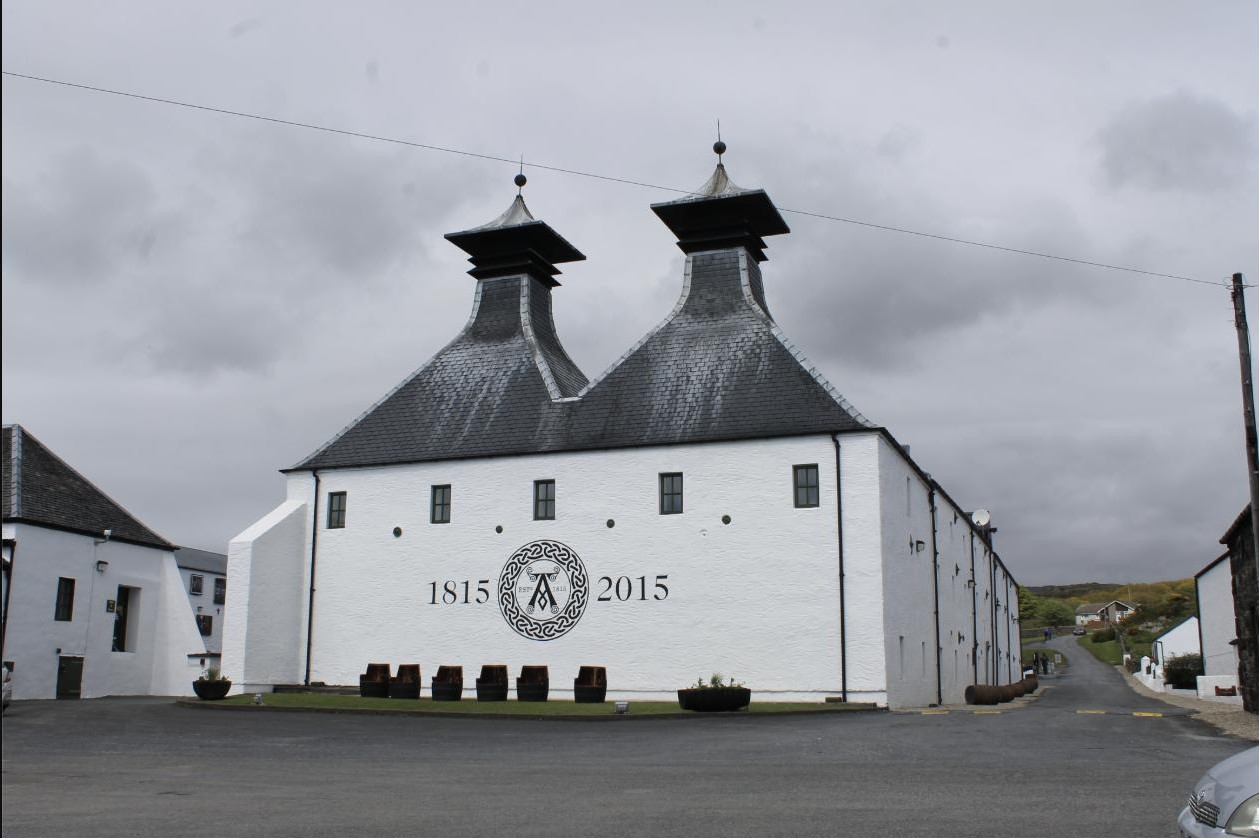
Scale is the part of this story that gets skipped most often. Islay is currently home to working distilleries ranging from large-volume producers, owned by international drinks groups and built for consistent, high-volume output, to small independents that are still, in practical terms, working farms: founded in the 2000s, run on a fraction of that scale, filling a comparatively small number of casks in a given year. Kilchoman is the clearest example: founded in 2005 on Rockside Farm, it remains one of only a handful of Scotch distilleries that grows, malts, distils, matures and bottles on a single site. That is a genuinely different production story to a site that has been filling warehouses at industrial scale for two centuries, and it has genuinely different implications for how scarce, or how available, any given year's output actually is.
The same logic applies to value. A cask's worth depends in part on its own documented facts: the cask number, the fill date, the vessel it matured in, the warehouse that holds it. It is not established by “Islay” as a label sitting on top of all of that. Treating the island as one undifferentiated asset class skips the part that actually determines what any single cask is worth, and it flattens two genuinely different kinds of risk and reward, a large-volume producer's steady output against a small independent's limited one, into a single, misleading story.
Myth 2: A Quiet Market Skips the Famous Names
Islay's distilleries carry some of Scotch whisky's most recognised names, and that recognition can make it tempting to assume reputation insulates a cask from wider market conditions. It does not work that way.
Lochs of Whisky’s 2026 market review describes the wider whisky secondary market as experiencing “a correction rather than a collapse”, with cooler speculative buying and greater auction supply. Much of that discussion concerns bottled whisky: it is not a measure of Islay cask prices or cask-market liquidity. The distinction matters when judging an individual cask. A famous name does not exempt a cask from the conditions the rest of the market is trading in.
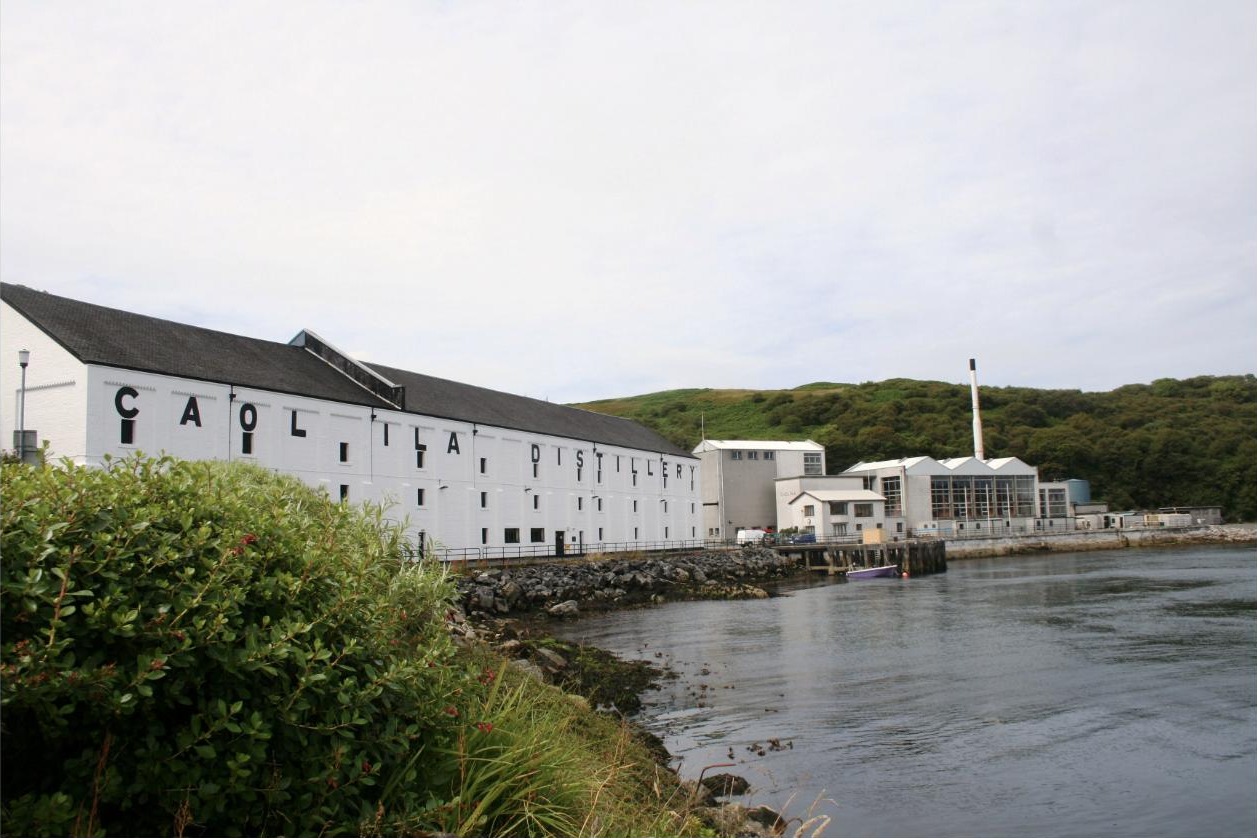
It helps to be precise about what “famous” actually buys an owner. Recognition means more people have heard of the distillery, seen the bottle on a shelf, or recognise the name from a tasting list. It does not, by itself, mean there is a deeper or more active market specifically for unbottled casks of that distillery's spirit. Those are two different things: brand recognition lives in retail and hospitality; a cask's resale prospects live in a much smaller, much less visible network of brokers, private buyers and bottlers. A name can be famous in the first sense and still face exactly the same quiet, illiquid conditions as a less well-known distillery in the second.
Myth 3: A Famous Distillery Name Creates Liquidity
This is the one worth retiring most, because it sits underneath the first two. WCC's own investor guide puts it plainly: a famous distillery name does not create liquidity.
The Scotch Whisky Association, the industry's own representative body, states this directly: there is no regulated market for mature or maturing casks of Scotch Whisky, and no officially published list of buying and selling prices. That is true whether the distillery is one of Islay's best known exports or one most people have never heard of. Fame drives recognition. It does not create a public exchange, an assured buyer, or an assured exit date, none of which exist for any cask, however well known the name attached to it.
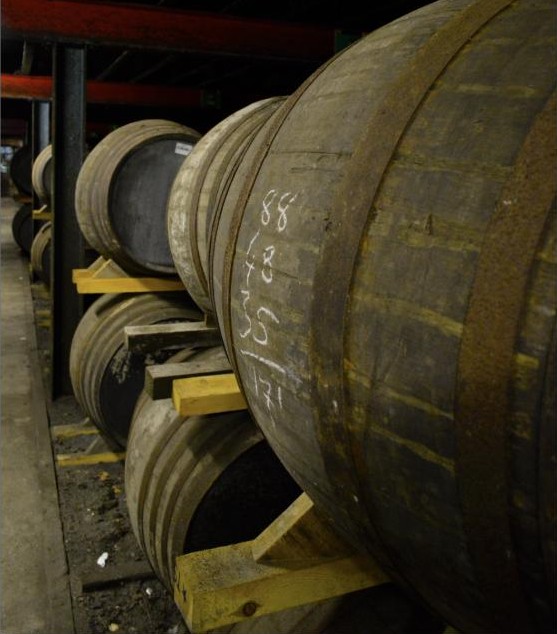
What actually affects an owner's ability to exit is more mundane, and more important. A Certificate of Entitlement may record a contractual interest in a specific cask: it should identify the cask number, distillery, fill date and warehouse. It is not, by itself, proof of warehouse-recognised title. Confirm the seller’s authority, your contractual rights and the warehouse’s acknowledgement. A Delivery Order is a separate transfer instruction; ask the warehouse which documents and instructions it requires for a change of ownership, bottling or movement. The distillery's fame has no bearing on either document; what matters is whether the warehouse that physically holds the cask actually recognises the paperwork an owner is holding.
The market has seen real, documented cases where a certificate did not amount to recognised warehouse title at all, regardless of how famous the distillery named on it was. That is exactly why verification, not reputation, is the thing worth asking about before any purchase, on Islay or anywhere else. A broker with a genuine, specific process for finding a buyer when the time comes matters more to an owner's actual exit than any amount of brand recognition.
Why These Myths Persist
None of this is unique to whisky. Collectible and alternative-asset markets generally reward recognisable names with a kind of halo effect: a well-known maker, vintage or region gets assumed to carry lower risk, simply because it is familiar. Familiarity may guide expectations of taste and resale interest in a finished bottle, but does not establish lower risk. It is a weaker guide to how a specific, unbottled cask will actually trade, because a cask's liquidity depends on paperwork, warehouse recognition and broker relationships, mechanics that a famous name does nothing to simplify.
Islay is a useful place to notice this, precisely because its names are so recognisable. A quiet, correcting market and a famous name can sit in the same sentence without contradiction. Retiring that assumption does not make Islay a worse place to hold a cask; it just means judging a specific cask on its own documented facts, rather than on the reputation of the island it happens to sit on.
Three Myths, in Short
“Islay” is not one investment category. Scale, closure history and maturation conditions vary distillery to distillery, and a cask's value follows its own documented facts, not the island's name.
A quiet, correcting cask market does not skip famous distilleries. Brand recognition and cask-market liquidity are two different things.
A famous distillery name does not create liquidity. Verified ownership, a Delivery Order the warehouse recognises, and a broker with a real resale process are what actually affect an exit.
Buying With Confidence
Retiring these three myths leaves a simpler, more useful starting point: judge a cask on its own documented facts, not on the reputation of the name above the warehouse door. That's good news for a buyer. It means the real signals of a sound purchase, verified ownership, a Delivery Order the warehouse itself recognises, and a broker with a genuine resale process, are things an owner can actually check for themselves, rather than something that depends on luck or brand recognition.
A cask is a long-term holding, and that's exactly why this verification work is worth doing properly: it's the difference between owning whisky and owning a cask with a clear, demonstrable paper trail behind it. Pairing that with independent legal or tax advice is a sensible step for any owner, on Islay or anywhere else.
The next and final episode in this series turns that principle into a practical checklist: what to actually ask before you buy, whatever the name on the warehouse door.
Frequently asked questions
Is Islay one whisky cask investment category?
No. Production scale, distillery history, spirit style and cask conditions differ. Assess each cask on its own records.
Does a famous distillery make a cask easy to sell?
No. Bottle recognition does not establish an active market for unbottled casks. A buyer, workable transfer arrangements and agreed terms are still needed.
Is there a regulated market for Scotch whisky casks?
The Scotch Whisky Association states that there is no regulated market for mature or maturing Scotch whisky casks and no officially published buying and selling price list.
Does a certificate alone prove warehouse-recognised ownership?
No. Check the contract, the seller’s authority and the warehouse’s recognition of your interest. Confirm the documents and instructions required for a transfer with the warehouse.
What should I check before buying?
Verify the cask identity, fill date, warehouse, current condition, title arrangements, storage and insurance costs, and a realistic resale process. Seek independent legal and tax advice where appropriate.
How long should I expect to hold a cask?
Whisky cask investment is a long-term, illiquid commitment. The suitable holding period depends on the individual cask and circumstances; there is no fixed resale date or assured buyer. Values can fall and costs apply.
Sources
Lochs of Whisky, 2026 whisky investment market review (wider secondary-market commentary, not an Islay cask-price index). The Scotch Whisky Association, official statement on the absence of a regulated cask market and published price list. Whisky Cask Club's own 2026 Investor Guide. Kilchoman Distillery company information (Rockside Farm, founded 2005). Photo credits are listed under each image.
Risk note: Whisky cask investment is long term and illiquid. Values can fall, storage and insurance costs apply, and resale depends on finding a willing buyer and completing the required transfer. No sale date or return is assured. This article is educational, not personalised investment, legal or tax advice.