
Islay Masterclass · Lesson 4 of 6
What New Make, Premium and Exclusive actually mean
TL;DR
- Age is only one part of maturation. Climate, oak, warehouse conditions and the individual cask all matter.
- Evaporation reduces surviving volume; alcohol strength can also change. The article’s 2% figure is an industry illustration, not a cask-specific forecast.
- WCC’s New Make, Premium and Exclusive tiers describe different positions on the cost, age and scarcity spectrum, not assured quality or future value.
- Check the cask records, regauge and ownership terms. Whisky cask investment is long term and illiquid, with costs and risk of loss.
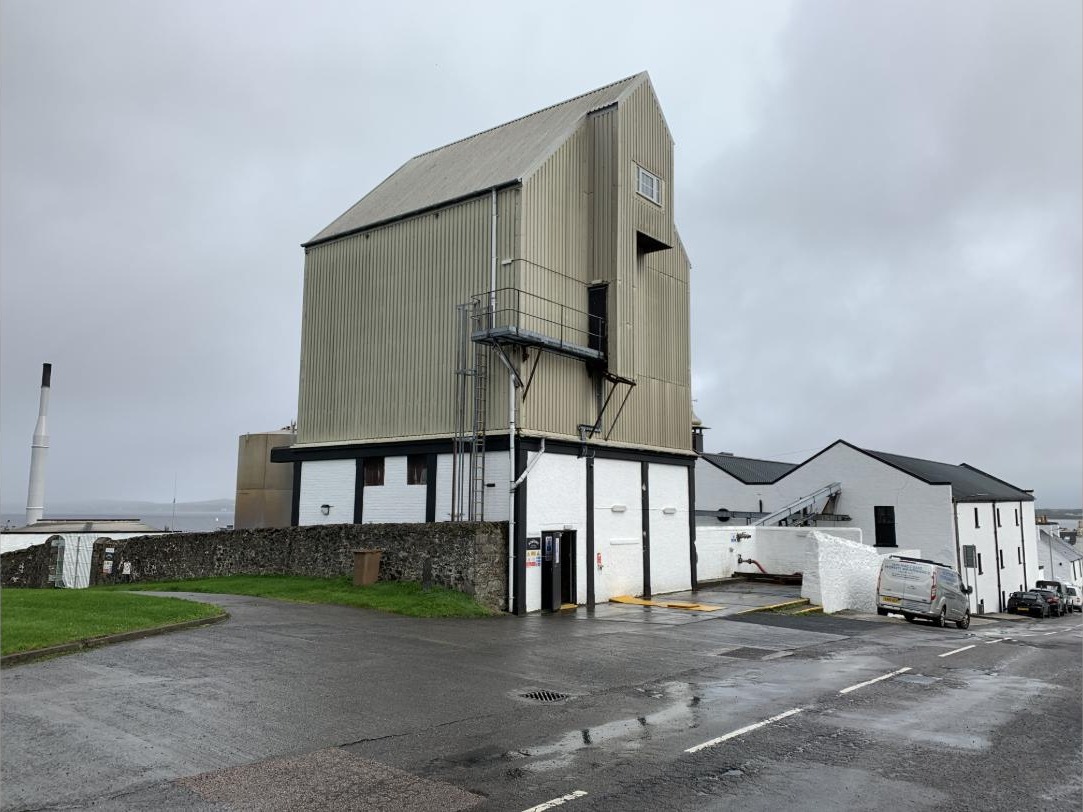
“It's older, so it's worth more.” That assumption is doing a lot of quiet work in how whisky casks get marketed, and it holds up less than it sounds like it should. What actually changes inside a cask, year over year, is slower, messier and more conditional than a straight age-to-value line. Understanding that is also the fastest way to understand why Whisky Cask Club's three published tiers, New Make, Premium and Exclusive, are not simply an age filter with three different price tags.
What Actually Happens Inside a Maturing Cask
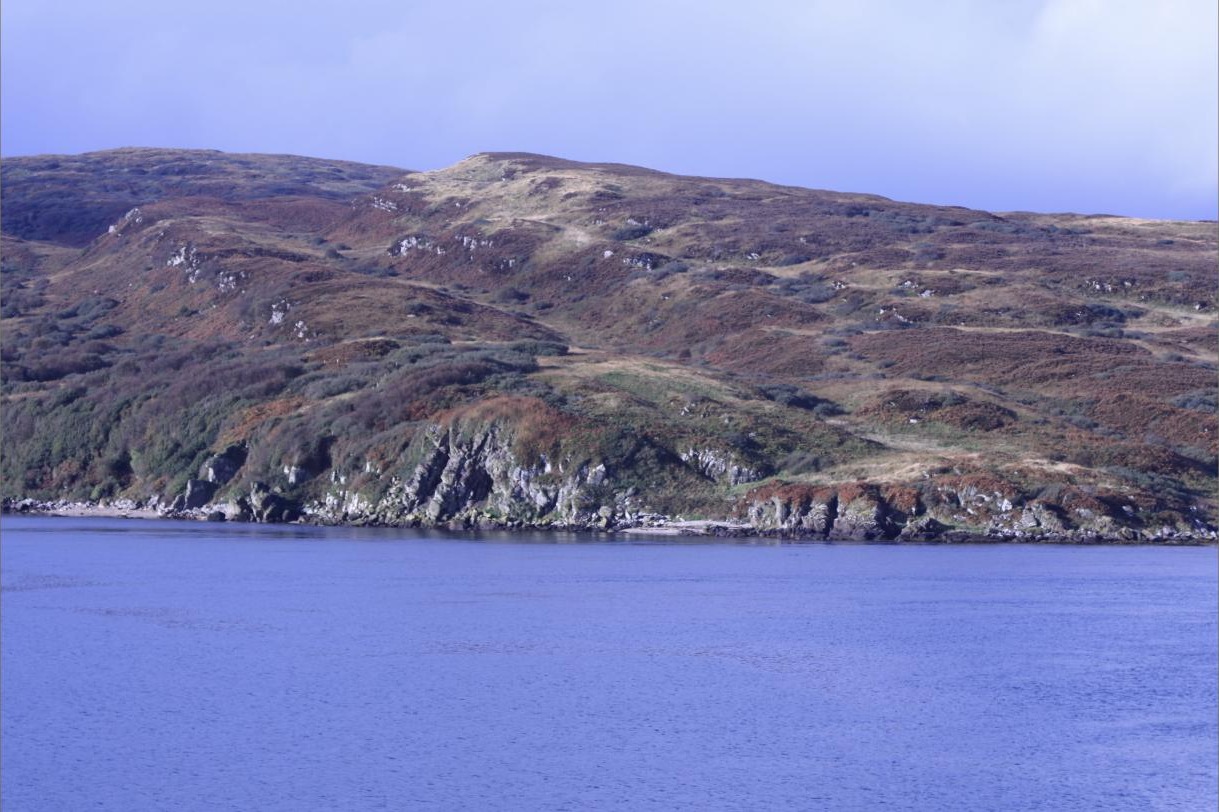
Scotland's climate is temperate maritime: shaped by the Atlantic, with cool summers, mild winters and rainfall spread fairly evenly across the year. That steadiness is why Scotch matures the way it does, slowly. Cooler, more consistent conditions let the spirit draw tannins, vanillins and colour out of the oak gradually, through years of seasonal expansion and contraction, rather than in the fast, aggressive extraction you get in hot climates. It's also why age and maturity don't move in lockstep everywhere: a whisky matured for just a few years in a hot, humid climate can taste older than its stated age, while a 20-year-old Scotch can still taste surprisingly youthful.
That slow extraction has a cost built in. Every year a cask sits in a Scottish warehouse, a small share of the liquid is lost to evaporation through the wood. Across the industry this averages out to roughly 2% of a cask's volume per year, the “angel's share.” It compounds: a cask filled today will simply hold less liquid in twenty years than it does on day one, independent of anything that happens to its market value. Humidity decides what's lost. In Scotland's comparatively humid warehouses, alcohol tends to evaporate faster than water, so a cask's strength typically drifts down over a long maturation; in drier climates elsewhere in the world, it's often the reverse.
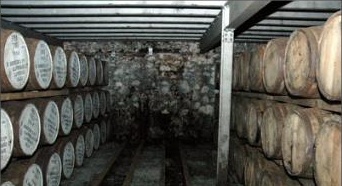
Warehouse construction adds another variable on top of climate. Traditional dunnage warehouses, stone walls, earth floors, casks stacked only two or three high, hold a steadier temperature and humidity year-round. Modern racked warehouses stack casks eight to twelve high for mechanised handling, and see more seasonal swing, and more variation between the top and bottom of the rack. Racked casks can mature a little faster, but tend to lose less strength along the way. Islay's distilleries use both styles, which means two casks of identical age from the same island can still mature differently depending on which warehouse they happened to sit in. It's the same lesson Lesson 2 found with peat: the island name alone was never a precise enough description of what's in the glass.
Three Tiers, Three Points on That Timeline
WCC's own published structure maps onto this maturation curve, but the mapping is about cost, scarcity and holding period, not a guarantee that more years in wood means a better or more valuable result.
New Make (0–2 years). The entry point. A cask at this stage has had the least time for the slow oak interaction described above, and is still carrying most of its spirit character rather than its wood character. It's WCC's lowest-commitment, budget-conscious tier, positioned for buyers starting with a smaller outlay and a longer runway ahead of them, not for anyone wanting a finished, mature profile soon.
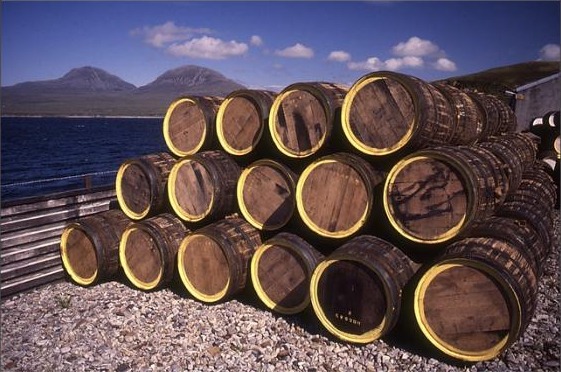
Premium (20+ years). Two decades or more of angel's share means a materially smaller surviving volume per cask than it started with, on top of two decades of storage and insurance cost already paid. That accumulated cost and scarcity, not a mechanical “year 20 tastes better than year 10” rule, is what pushes this tier's price point up. Age and scarcity alone do not establish future market value or the quality of an individual cask.
Exclusive (age varies). WCC describes this tier only in general terms, “old and rare liquid from the world's most iconic distilleries,” with no fixed age band and no distillery named. That's a deliberate scarcity and confidentiality position, not a gap in this article: specific stock in this tier is disclosed only after private enquiry, the same rule that applies across WCC's whole public catalogue.
The Myth Worth Retiring Here
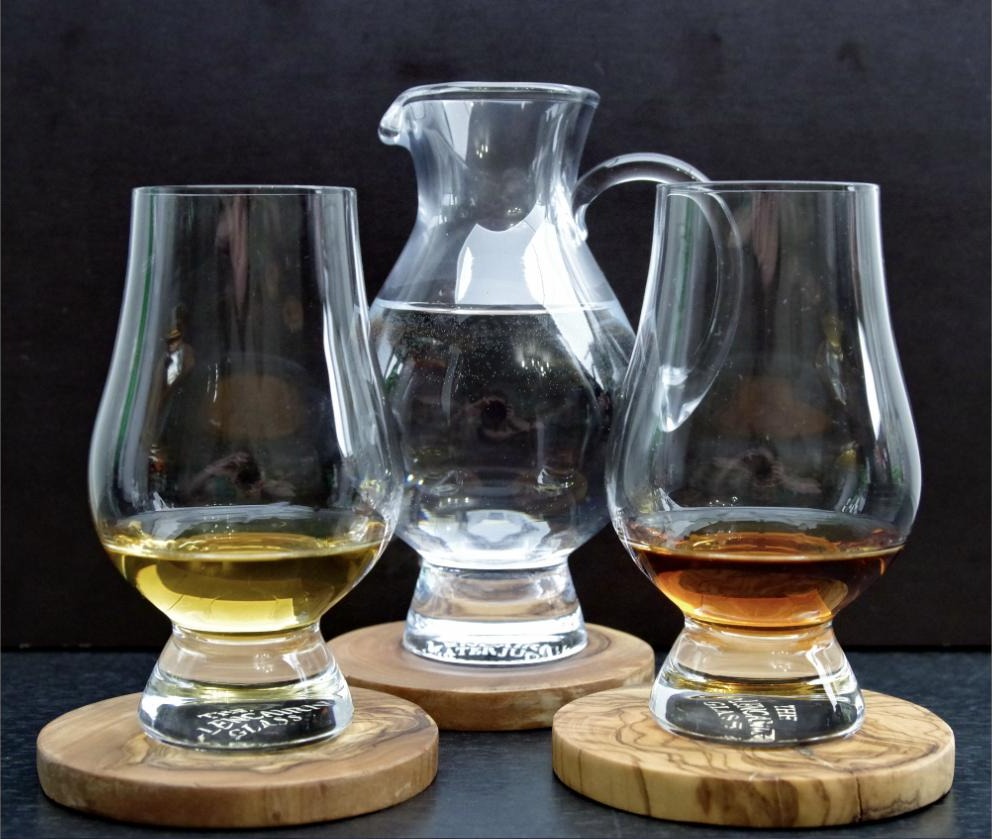
“Older means better” doesn't survive contact with how maturation actually behaves. Climate, cask type, warehouse style and bottling strength all shape the outcome at least as much as the number of years on the paperwork, and extended ageing runs into diminishing returns well before it runs out of cost. WCC's own investor guide puts the underlying point plainly: age alone doesn't guarantee quality or value, and a famous distillery name doesn't create liquidity. The same caution applies one level down, to age itself. A Premium or Exclusive cask is scarcer and has cost more to hold than a New Make one. Whether it tastes better, or will sell for more when the time comes, still depends on the specific cask, not the tier label on its own.
What to Check Before You Choose a Tier
Whichever tier fits your budget and timeline, the same verification applies, because it's the paperwork, not the age statement, that proves what you actually own:
Distillery and cask number
Fill date
Wood type and previous contents (first-fill, refill, ex-bourbon, ex-sherry, etc.)
Current volume and ABV, as of the last regauge
Regauge date
Warehouse location and storage/insurance terms
As with every WCC product, a Certificate of Entitlement is the ownership evidence from day one; a Delivery Order applies only where relevant, at the point of a sale, transfer or bottling. The two are not interchangeable, and which one you're holding at any given moment matters.
Whisky cask investment is long term and illiquid. Values can fall, costs apply and returns are uncertain. A sale, transfer or bottling depends on the cask, its contractual terms and available counterparties; resale is not assured.
Frequently asked questions
Does older whisky always mean better whisky?
No. Climate, cask type, warehouse conditions and the individual spirit shape maturation. Age alone does not establish quality, market value or liquidity.
What is the angel’s share?
It is the spirit lost through evaporation while a cask matures. The roughly 2% annual figure discussed here is an industry-level illustration, not a forecast for an individual cask. Actual losses vary.
What do WCC’s three tiers mean?
New Make covers 0–2 years; Premium covers 20 years and above; Exclusive has no fixed age band. These are WCC’s commercial categories, not universal Scotch quality grades. Spirit under three years old is not yet Scotch whisky.
What should I check before choosing a cask?
Check the distillery and cask number, fill date, wood and previous contents, current volume and ABV, latest regauge date, warehouse and storage/insurance terms. Verify the contractual ownership documentation and transfer process.
Is a Certificate of Entitlement the same as a Delivery Order?
No. The document describes a Certificate of Entitlement as WCC’s ownership evidence and a Delivery Order as applicable where relevant to a sale, transfer or bottling. Check what each document establishes under the specific agreement and warehouse arrangements.
Can I assume an older cask will be easy to sell?
No. Whisky cask investment is long term and illiquid. An exit depends on the cask, contractual terms and available counterparties. Costs apply, values can fall and resale is not assured.
Sources
The Borders Distillery, “Climate and Whisky Maturation”: Scotland's temperate maritime climate and its effect on extraction speed: https://thebordersdistillery.com/blog/climate-and-whisky-maturation/
Mark Littler Ltd, “Everything You Ever Needed to Know About Whisky Cask Storage”: humidity/evaporation direction, dunnage vs. racked warehouse characteristics: https://www.marklittler.com/everything-you-ever-needed-to-know-about-whisky-cask-storage/
The Scotch Malt Whisky Society, “Cask Curriculum: What's in an Age?”: age vs. quality, diminishing returns, climate-accelerated maturation examples: https://smwsa.com/blog/cask-curriculum-whats-in-an-age
VinePair, “What Is Angel's Share Scotch”: the ~2%-per-year industry-average evaporation figure: https://vinepair.com/articles/what-is-angels-share-scotch/
Whisky Cask Club, investment-products pages (New Make / Premium / Exclusive tier descriptions) and WCC-Whisky-Cask-Investor-Guide-2026.pdf (“age alone doesn't guarantee quality or value”; “a famous distillery name does not create liquidity”): verified directly against the live site 1 Oct 2026, per project notes.
Photos: Wikimedia Commons, individually credited in each caption: Bowmore Distillery (Andrew Abbott, CC BY-SA 2.0), coastline of Islay (Andrew Abbott, CC BY-SA 2.0), Laphroaig Distillery dunnage warehouse (SElephant, CC BY-SA 3.0), Bunnahabhain Distillery casks (Tom Richardson, CC BY-SA 2.0), Glencairn glasses and water jug (Lord van Tasm, CC BY-SA 3.0). None AI-generated.