
Islay Masterclass, Lesson 3 of 6
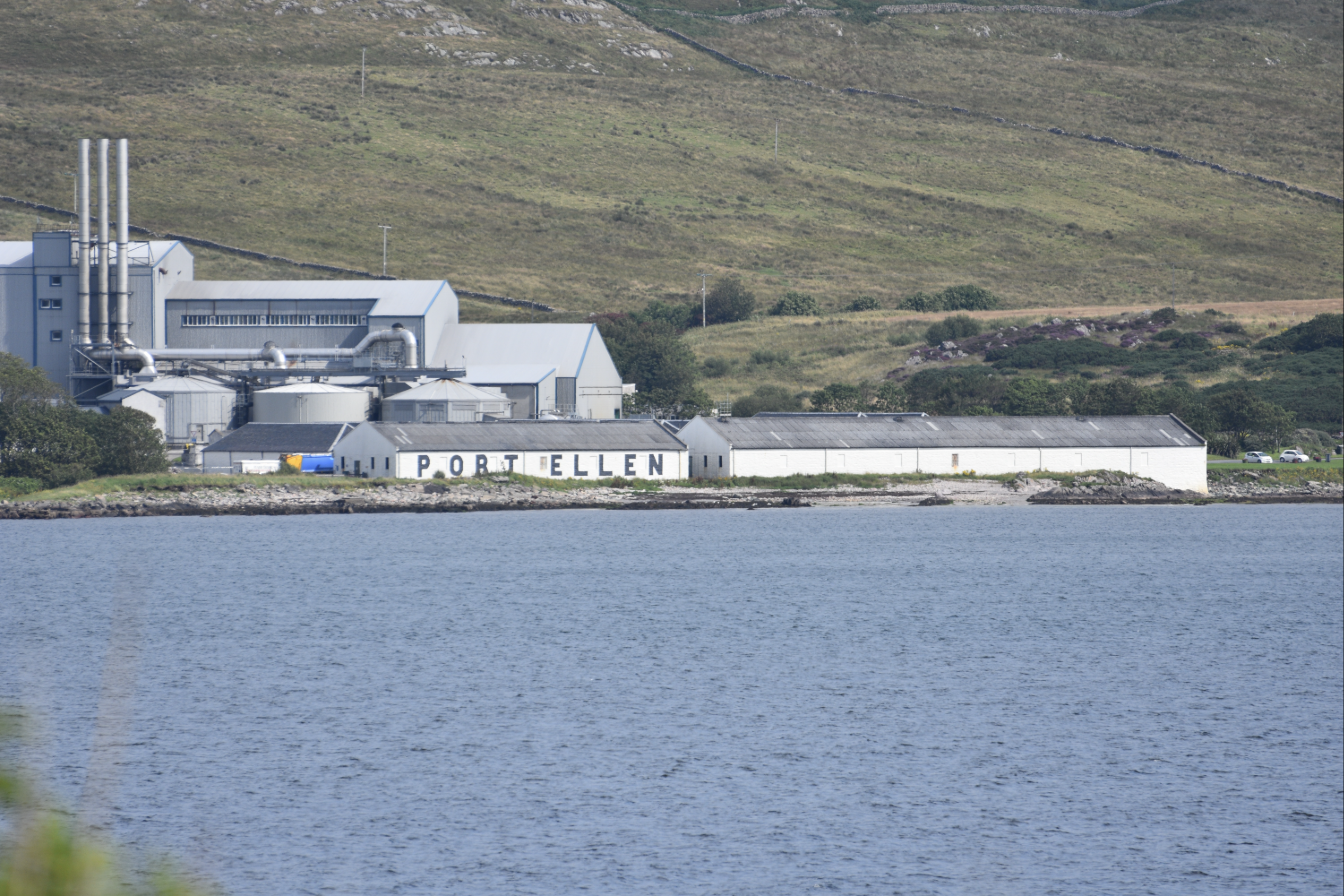

Port Ellen offers a useful lesson in the difference between a distillery name and the provenance of a particular whisky. Its closure in 1983 and reopening in March 2024 created two distinct production eras. This lesson explains why that distinction matters when assessing scarcity, without treating scarcity as a promise of investment performance.
What makes a distillery a “ghost”
The whisky trade often uses ‘ghost’ or ‘silent’ for a distillery that has stopped production while spirit made there remains in storage. Some distilleries later reopen. Pre-closure production cannot be recreated: bottling reduces the number of surviving casks, while consumption reduces bottled stock. Reselling a cask or bottle changes ownership, not the amount of whisky that exists. Scarcity alone does not establish demand, liquidity or value.
A closure that was part of something bigger
Port Ellen closed in 1983 during a period of contraction in the Scotch industry, often described as the ‘whisky loch’. It reopened in March 2024 after more than four decades. Its history illustrates why the production era of a whisky matters alongside the distillery name.

The maltings never stopped
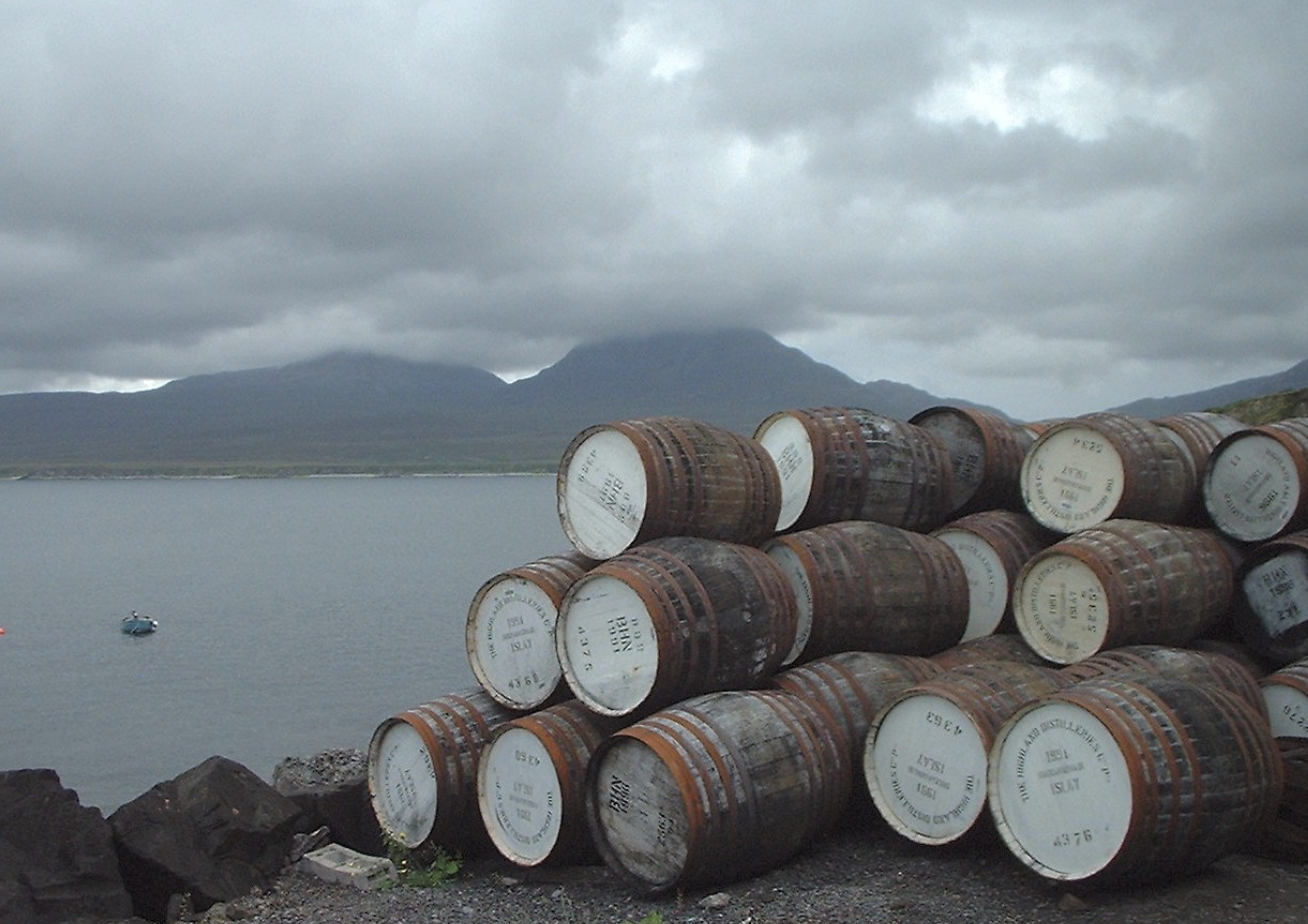
Port Ellen Maltings continued operating during the distillery’s closure. Malt production and distillation are different activities: the continued supply of malted barley did not create new Port Ellen spirit during those years.

The 2024 reopening
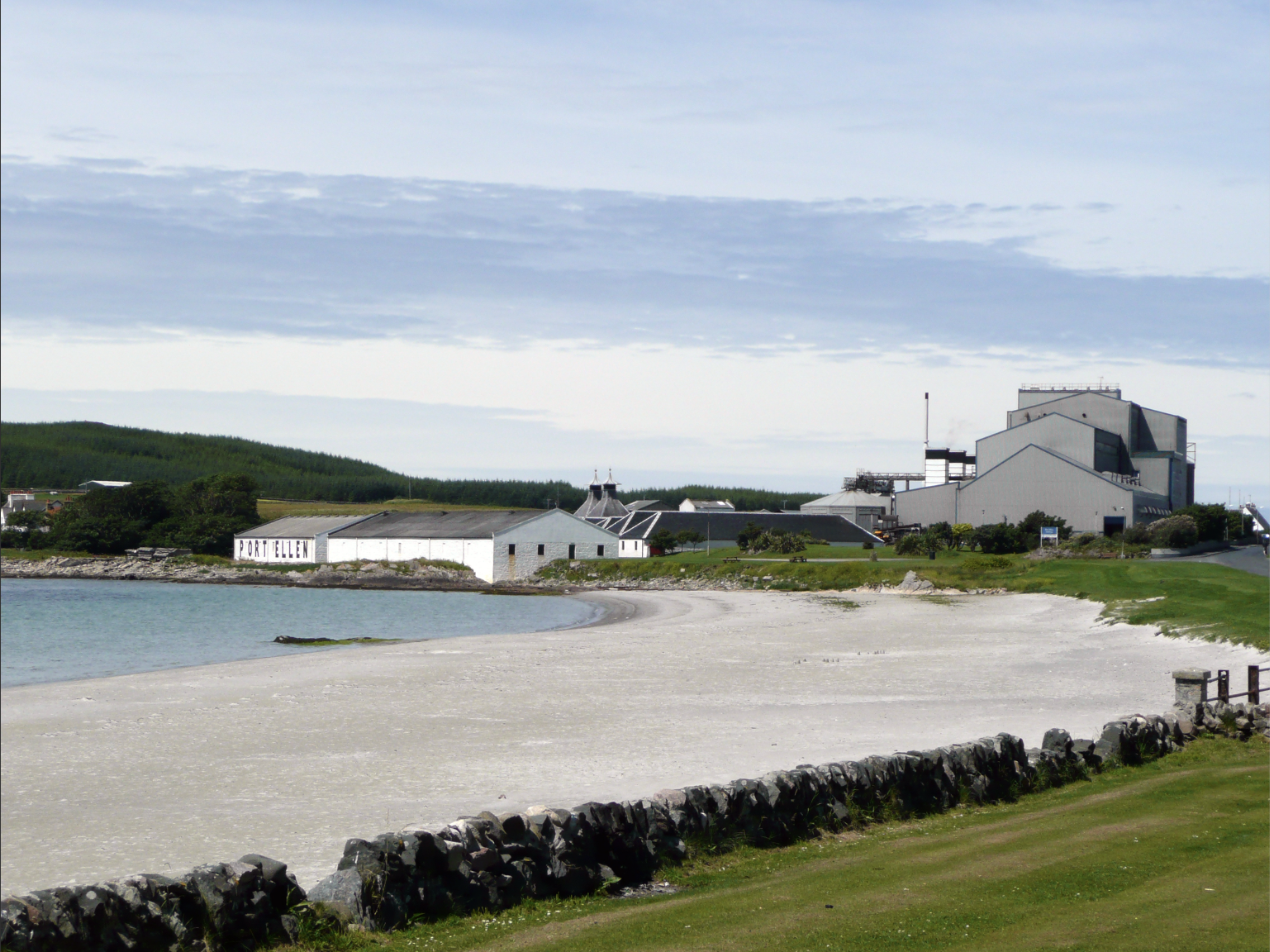
Port Ellen reopened on 19 March 2024 under Diageo. Diageo describes the rebuilt distillery as combining stills intended to recreate the historic spirit character with equipment for experimentation.
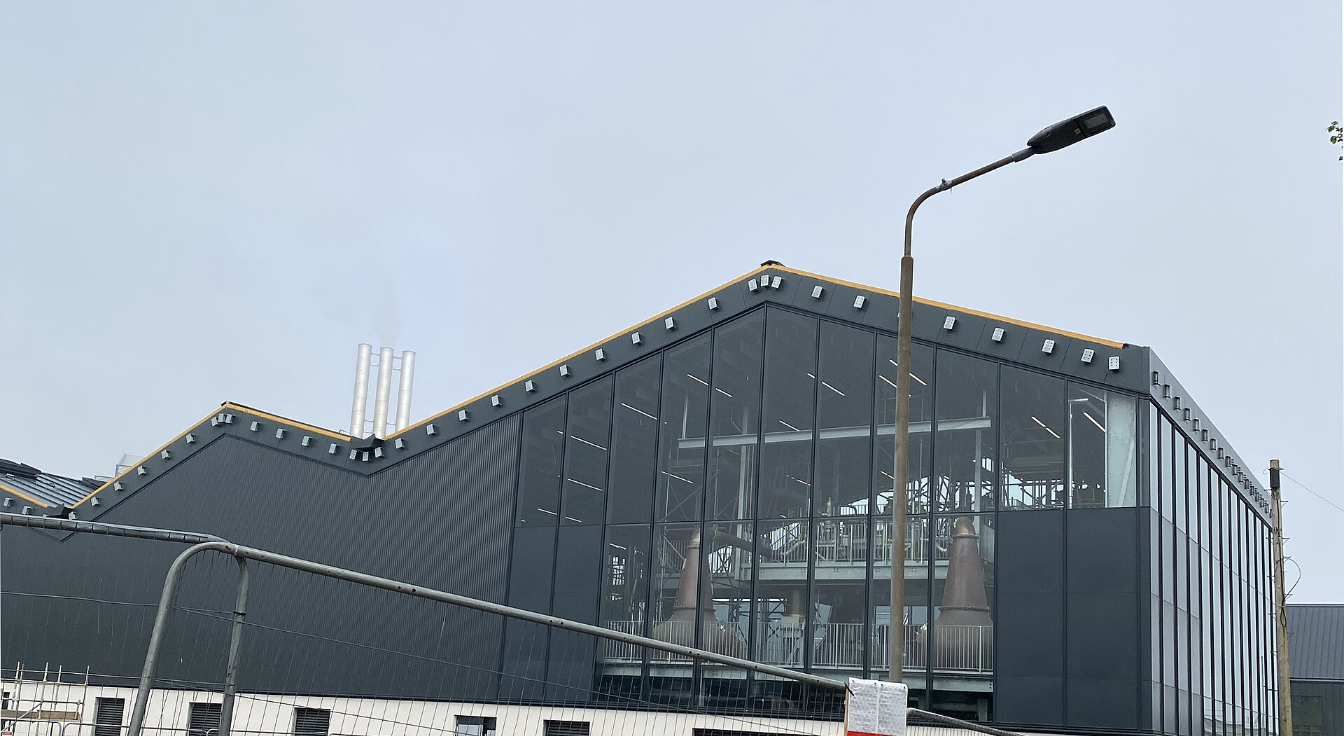

New production cannot replenish whisky distilled before the 1983 closure.
Two different scarcity stories
Whisky distilled before the 1983 closure and spirit produced after the 2024 reopening belong to different production eras. New distillation cannot add to the pre-closure pool. Bottling removes whisky from cask stock; resale alone does not reduce surviving stock.
The distinction does not determine a fair price by itself. Provenance, condition, alcohol strength, available volume, buyer demand and transaction costs also matter. Verify the documented distillation date and production era. A later filling or re-casking date is not necessarily the distillation date.
An auction listing is not a completed sale
An opening bid or reserve is not a realised sale price. A listing alone cannot demonstrate sustained demand, liquidity or investment performance. When using auction evidence, distinguish completed sales from asking levels and check dates, fees and the condition of the whisky. A single exceptional cask is not a reliable benchmark for other casks.
What this means for a cask buyer
Check which production era the whisky belongs to, rather than relying on the distillery name. Ask for records supporting its distillation date and provenance, and distinguish these from any later filling or re-casking dates.
For a particular cask, confirm the distillery or declared spirit name, cask number, wood type and previous contents, warehouse, current volume and alcohol strength, and the date of the latest regauge. Assess the evidence for the specific cask rather than assuming that another cask’s reputation or scarcity applies.
Whisky cask investment should be approached with a multi-year holding period, not an expectation of a quick sale. The appropriate period depends on the cask and the owner’s circumstances. Possible exits include a private sale or a sale arranged through a broker or auction where accepted; none ensures a buyer, sale date or price. Storage, insurance, selling costs and any applicable duties or taxes can affect the outcome. Values can fall, alcohol strength and volume can decline, and you may receive less than you invested.
Read WCC’s ownership guide and entry and exits guide to understand the records, costs and practical considerations before making a decision.
Sources
- Wikipedia: Port Ellen distillery
- Diageo, Port Ellen Reborn: The Reopening of Islay's Legendary Ghost Distillery
- Whisky Magazine: Port Ellen rises from the ashes
- Mark Littler: Sensational Port Ellen 1979 Cask Heads to Auction
- VinePair: What Was the “Whisky Loch” of the 1980s?
- Wikimedia Commons category: Port Ellen distillery (image sources)
- Wikimedia Commons: Bunnahabhain casks and Paps (image source)