
The Highland Masterclass, Episode 4
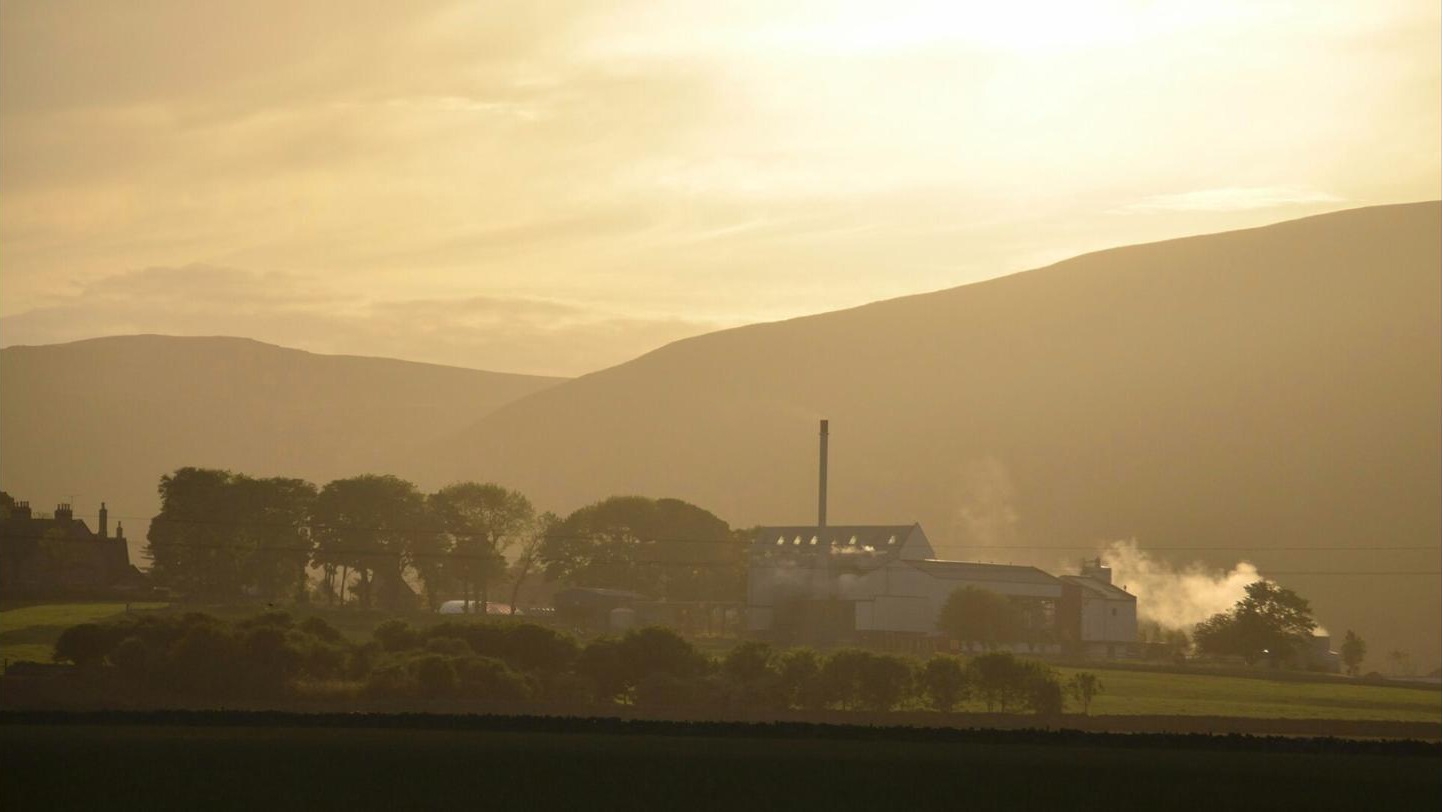
Episode 3 followed the wood. This episode follows something less comfortable: the distilleries that stopped. Almost every Scotch region has stills that went cold, and the Highlands have some of the best known examples. Some were demolished and are gone for good. Some were mothballed and later woken. Some were rebuilt from a ruin and given an old name. Each outcome leaves a different mark on the whisky, and on the paperwork that describes a cask.
The aim here is plain education. We look at what the sources say happened, and then at what a closure or a revival means when you are reading a label or a cask record. Nothing here is a view on price or on what any cask may do in future.
Why Distilleries Went Quiet in the 1980s
The background is what the trade calls the whisky loch. Through the 1970s the industry made more spirit than it could sell, and unsold stock built up. Whisky Advocate describes it as an industry-wide excess of inventory, with the Distillers Company Limited, known as DCL, starting a programme of closures from about 1983. Sales fell sharply in the mid 1980s, and the wider UK economy was under strain, with high inflation and rising production costs.
The Inverness Courier reported the 1983 round at the time as the end of an era. Scottish Malt Distillers, the DCL subsidiary, closed 11 distilleries across Scotland, with 240 jobs lost, 22 of them in Inverness. The paper pointed to the recession, possible over-production, and high duty and taxes that put whisky out of reach for many drinkers. It estimated that more than 500 jobs were lost across distilleries in the Highlands and Grampian as a whole.
One more detail from Whisky Advocate matters later in this episode. Closure decisions were not only about volume. The article says blenders’ quality requirements shaped which distilleries were kept, and it describes Brora as surplus to requirements.
One Name, Two Distilleries: Brora and Clynelish
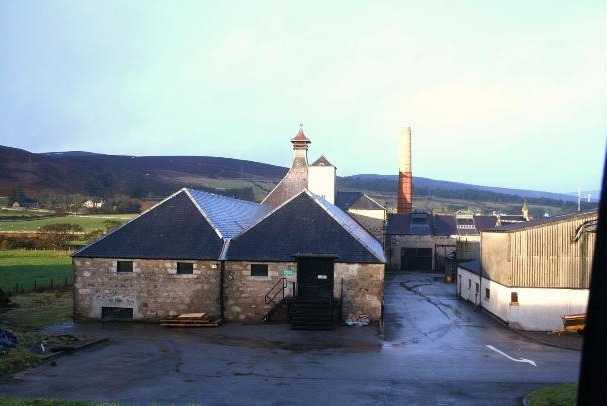
The Brora story is the best known Highland closure, and it is easy to get tangled because two distilleries shared a name. The original Clynelish distillery was built in 1819 by the Marquess of Stafford, near the village of Brora in Sutherland. In the late 1960s a new, larger Clynelish distillery was built beside it to meet demand for blending whisky. Sources give 1967 for the construction and 1968 for the opening. When the new site opened, the original distillery was renamed Brora.
That renaming matters because the two sites made different whiskies. According to the Brora entry on Wikipedia, which cites Whiskypedia, the old site produced heavily peated whisky for blending from May 1969 to July 1973, to cover a shortage of Islay whisky. After 1973 its output was mostly lightly peated Highland style spirit. So “Brora” is not one flavour. The same distillery name covers different liquids depending on the year.
Brora stopped producing in 1983. Sources differ on the month, so it is safest to say 1983. Whisky Advocate notes that the distillery was spared in the 1970s because it was useful for making Islay style whisky for blends, and was then judged surplus to requirements in the 1980s. The new Clynelish never closed. It kept distilling next door and is listed as operational and owned by Diageo.
The revival came later. Diageo announced on 9 October 2017 that it would reopen Brora, with production due to restart in 2020. The restoration was completed and the first new cask of spirit was filled on 19 May 2021. The reopened distillery has one wash still and one spirit still, and draws water from the Clynemilton Burn.
Inverness Falls Silent: Glen Albyn and Glen Mhor
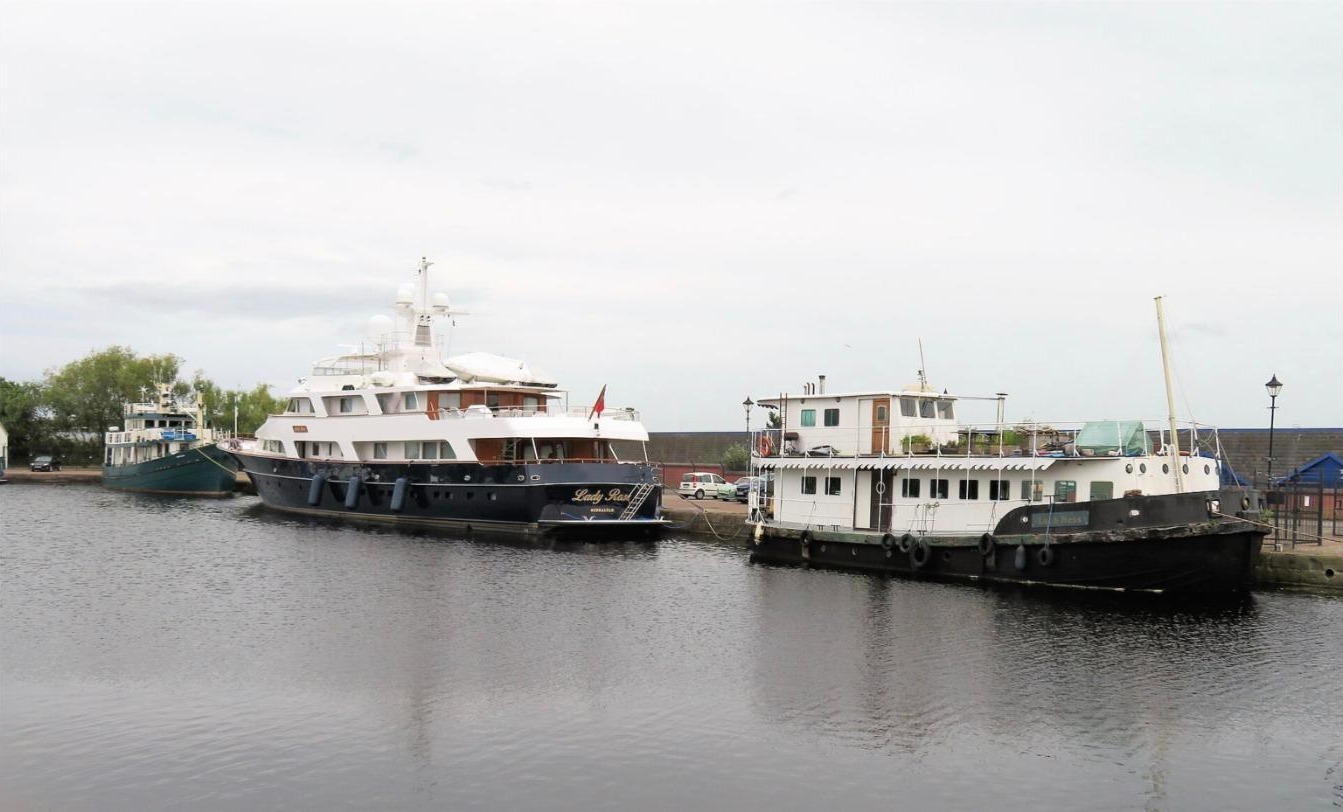
Not every closure ended with a reopening. In Inverness, Glen Albyn and Glen Mhor stood side by side on Telford Street, next to Muirtown Basin on the Caledonian Canal. The Inverness Courier traces Glen Albyn to 1846, when it was founded by James Sutherland, the Provost of Inverness. It later fell into disuse and became a flour mill before being converted back to a distillery in 1884. Glen Mhor was built next door by John Birnie, a former Glen Albyn manager, in partnership with the Leith blender Charles Mackinlay. Wikipedia gives 1892 as its founding year.
Both were acquired by DCL in 1972 and both closed in 1983. Wikipedia records that Glen Mhor was demolished in 1986. The Courier article does not say what became of the sites. The practical point for a reader is simple. Whisky from a demolished distillery comes from a fixed, finite amount of spirit that was made before the stills were removed.
Sleeping Does Not Mean Gone: Glenglassaugh
Glenglassaugh sits near Sandend on the Banffshire coast. Wikipedia lists it as a Highland distillery, but also describes it as just outside Speyside, which is a reminder that regional lines blur at the edges. It was founded in 1875 by the local grocer James Moir and his nephews, and sold in 1892 to Highland Distillers.
It was mothballed in 1986 and stayed silent for more than two decades. It reopened on 24 November 2008 after a full refurbishment by a new independent investment group. The first bottling of whisky distilled under the new ownership followed on 16 December 2011. BenRiach acquired the distillery in March 2013, and Brown-Forman bought BenRiach in June 2016, which made Brown-Forman the owner.
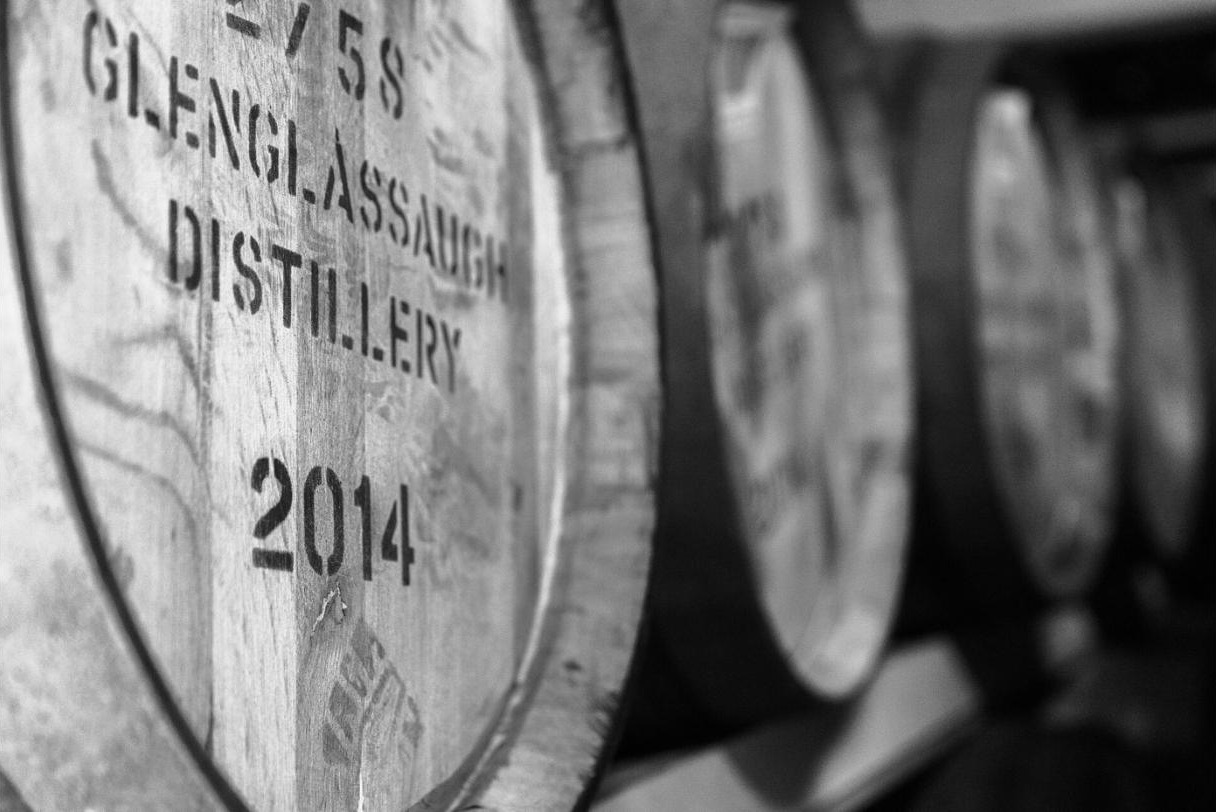
This is the useful lesson from Glenglassaugh. A distillery that was silent from 1986 to 2008 has two quite different kinds of spirit behind the same name: old stock made before the closure, and new spirit made after the restart, under different owners and with different equipment and wood choices. The cask in the photograph above carries a 2014 stencil, so it belongs to the second group.
A Name Rebuilt From a Ruin: Wolfburn
Wolfburn goes one step further. The original distillery was founded in 1821 by William Smith just west of Thurso in Caithness. Tax returns for 1826 record output of 28,056 gallons of proof spirit, which made it the largest distillery in Caithness at the time. Production is thought to have stopped around the 1860s, though the exact date is debated, and the Ordnance Survey map of 1872 marks the site as a ruin.
A private consortium received planning approval in 2012 to build a new distillery at Henderson Park in Thurso, about 350 metres from the original site. Production began in early 2013, and the first whisky launched in March 2016. The first age statement release, a 10 year old, followed in 2023. The new Wolfburn is a Highland distillery that shares a name and a place with the old one. It does not share its stills, its staff or its stock.
What a Closure or Revival Changes on Paper
For anyone learning to read a cask’s paperwork, these stories translate into a few practical checks.
First, read the fill date alongside the distillery name. At Brora, Glenglassaugh and Wolfburn, the same name stands for spirit made at very different times, under different owners and with different equipment. The name alone does not tell you which era a cask comes from. The fill date does.
Second, treat a closed distillery’s finite output as a fact about quantity and nothing more. If a distillery has been demolished, no more of its spirit will be made. That says nothing about how easy a cask is to sell or what it may be worth. As Whisky Cask Club’s ownership page puts it, a famous distillery name does not create liquidity.
Third, remember that a revival is a new chapter and not a restoration of the old one. Brora’s own character changed within its first life, from heavily peated to lightly peated. A reopened distillery may keep the name and the site, but the liquid in a cask filled after the restart should be judged on its own record.
Fourth, check the status and ownership of the distillery as it stands today, and ask what the paperwork says about the cask type, its size, its previous contents and where it is stored. Episode 3 covered those fields in detail.
The short version for this episode is that a distillery’s history is part of a cask’s story, but the cask’s own record is what you can actually check.
This series is for education and is not financial advice. Cask ownership is a long-term commitment and outcomes vary, so independent legal and tax advice is a sensible step before any purchase.
Sources
Whisky Advocate, What We Lost in the Whisky Loch (DCL closures from about 1983, Brora spared in the 1970s then surplus in the 1980s): https://www.whiskyadvocate.com/what-we-lost-in-the-whisky-loch/
Inverness Courier, End of an era in 1983 as two Inverness distilleries close (11 closures, 240 jobs, Glen Albyn and Glen Mhor history): https://www.inverness-courier.co.uk/news/end-of-an-era-in-1983-as-two-inverness-distilleries-close-138573/
Wikipedia, Brora distillery (1819, 1968 renaming, 1969 to 1973 peated production, 2017 announcement, 19 May 2021 first cask): https://en.wikipedia.org/wiki/Brora_distillery
Wikipedia, Clynelish distillery (new distillery built 1967, status, owner): https://en.wikipedia.org/wiki/Clynelish_distillery
Wikipedia, Glen Mhor distillery (1892, DCL 1972, closed 1983, demolished 1986): https://en.wikipedia.org/wiki/Glen_Mhor_distillery
Wikipedia, Glenglassaugh distillery (1875, 1892, mothballed 1986, reopened 24 November 2008, BenRiach 2013, Brown-Forman 2016): https://en.wikipedia.org/wiki/Glenglassaugh_distillery
Wikipedia, Wolfburn distillery (1821, 1826 output, 1872 map, 2012 approval, 2013 production, 2016 launch): https://en.wikipedia.org/wiki/Wolfburn_distillery
Whisky Cask Club ownership guide 2026 and ownership page (https://whiskycaskclub.com/ownership/), Highland Masterclass Episodes 1 to 3, and Islay Masterclass Episodes 1 to 6.
Images: Clynelish distillery by Andrew Tryon (CC BY-SA 2.0); older Clynelish buildings by Andrew Wood (CC BY-SA 2.0); Muirtown Basin by Gordon Hatton (CC BY-SA 2.0); Glenglassaugh cask by Markus Trienke (CC BY-SA 2.0). All via Wikimedia Commons, cropped for layout.