
The Highland Masterclass, Episode 3
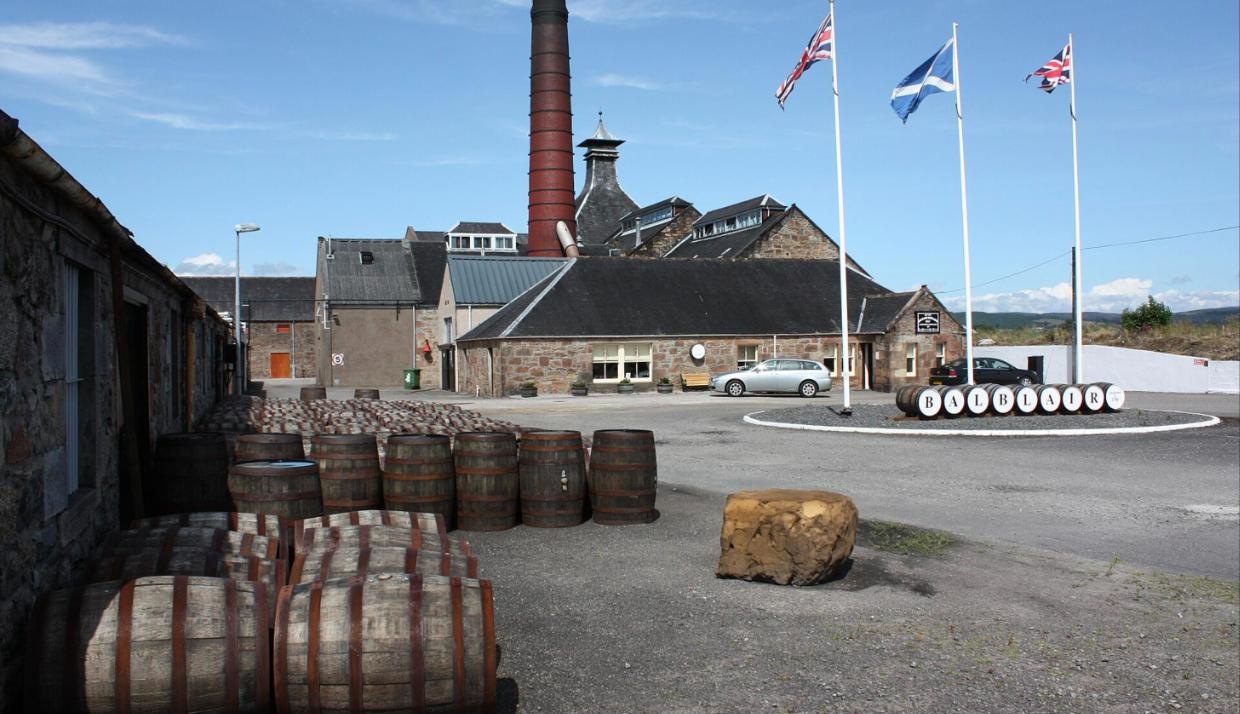
Episode 2 placed the Highland distilleries on the map. This episode turns to the object that sits behind every bottle of single malt and every cask offered to a buyer: the wood. Scotch whisky leaves the still as a clear spirit. Most of its colour, and a large share of its aroma and flavour, comes from the years it spends in oak. For anyone learning to read a cask’s paperwork, the type of wood and what it held before are among the most useful fields on the page.
The Highlands are a good place to study this because distilleries across the region follow different wood policies. Some rely on casks that first held bourbon, some on sherry, and some combine the two. The legal label Highland does not tell you which.
What the Law Requires of the Cask
Wood is regulated more tightly than many buyers expect. Under regulation 3 of the Scotch Whisky Regulations 2009, Scotch must be matured in oak casks of no more than 700 litres, in Scotland, for at least three years, and it must be at least 40 per cent alcohol by volume. The Scotch Whisky Association’s 2025 guidance on allowable casks adds the detail. A cask must be oak and must be empty of its previous contents. New oak is permitted, and so is oak that has held still or fortified wine, beer or spirits, which the guidance treats as traditional. Casks that held flavoured or sweetened products, or products derived from stone fruit, are excluded. The same rules apply to finishing, and the whisky must still show the traditional colour, taste and aroma of Scotch.
Two practical points follow. First, the rules set a boundary and not a recipe, so within them the choice of cask is a style decision, and the guidance places that choice with the distillery’s Chief Blender. Second, the rules apply in every region, so wood alone does not separate a Highland cask from one filled elsewhere. What differs is the policy each distillery adopts.
Bourbon Barrels: The Common Starting Point
Most Scotch is matured in casks that first held American bourbon. The Whisky Invest Direct cask guide describes the barrel, at 190 to 200 litres, as the most common Scotch cask, with the hogshead of 225 to 250 litres in second place. Bourbon is traditionally matured in new charred oak, so the barrels are emptied after a single use and many then cross the Atlantic for a second life holding Scotch.
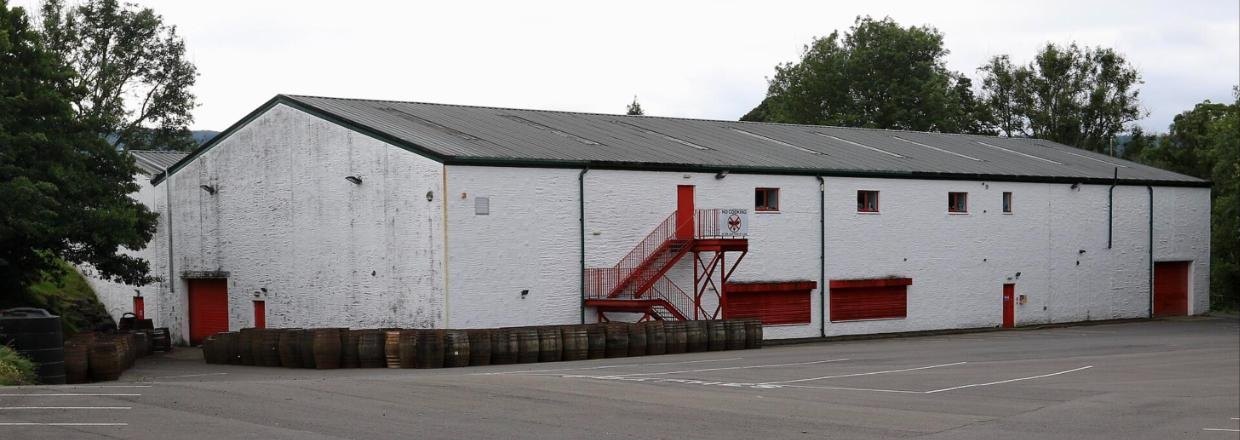
Glenmorangie is the Highland example most often used to illustrate the route. A 2008 Whisky Magazine account of its wood policy describes slow-grown American white oak from the Ozark region, with some German oak, a cutting cycle of about fifteen years, and barrels that spend four to eight years maturing bourbon before they reach Scotland. That is a single account from 2008, so treat the figures as an illustration of the approach and not as a current specification.
Why does the previous fill matter? A cask is not neutral. It gives the spirit colour and flavour compounds from the wood and from whatever soaked into it earlier. Ex-bourbon wood is commonly associated with lighter colour and vanilla-led sweetness, while sherry wood is commonly associated with darker colour, dried fruit and spice. Those are tendencies described across the trade, not promises about any single cask.
Sherry Casks and the Highland Houses That Use Them
Sherry casks are the other pillar. The Whisky Invest Direct guide gives the sherry butt as 475 to 500 litres and describes it as the most common cask after ex-bourbon. Several Highland distilleries are known for sherry wood. A VinePair profile says that Dalmore, at Alness on the Cromarty Firth, has used Jerez casks since the 1800s, works with sherry-seasoned barrels from González Byass, and begins its Cask Curation approach in ex-bourbon wood before finishing in vintage sherry casks such as Matusalem or Apostoles. A finish of that kind is a second step, and the Association’s rules for finishing are the same as for maturation.
Glengoyne, on the southern edge of the Highlands, has a more practical story. A Whisky Monkeys history says that its owner chose sherry casks because they were plentiful and relatively cheap at the time. It is a reminder that a wood policy can begin as a matter of supply and only later become a house style.
First Fill, Refill and Why the Words Matter
Two terms appear constantly in cask descriptions. A first-fill cask is holding Scotch whisky for the first time after its earlier contents, such as bourbon or sherry. A refill cask has already held Scotch, so it has been through at least one maturation. The trade generally describes first-fill wood as giving a stronger influence on the spirit and refill wood a gentler one, which is one reason a distillery may use both within a single bottling. As ever, these are tendencies, and the age of the cask and the character of the distillery’s own spirit change the result.
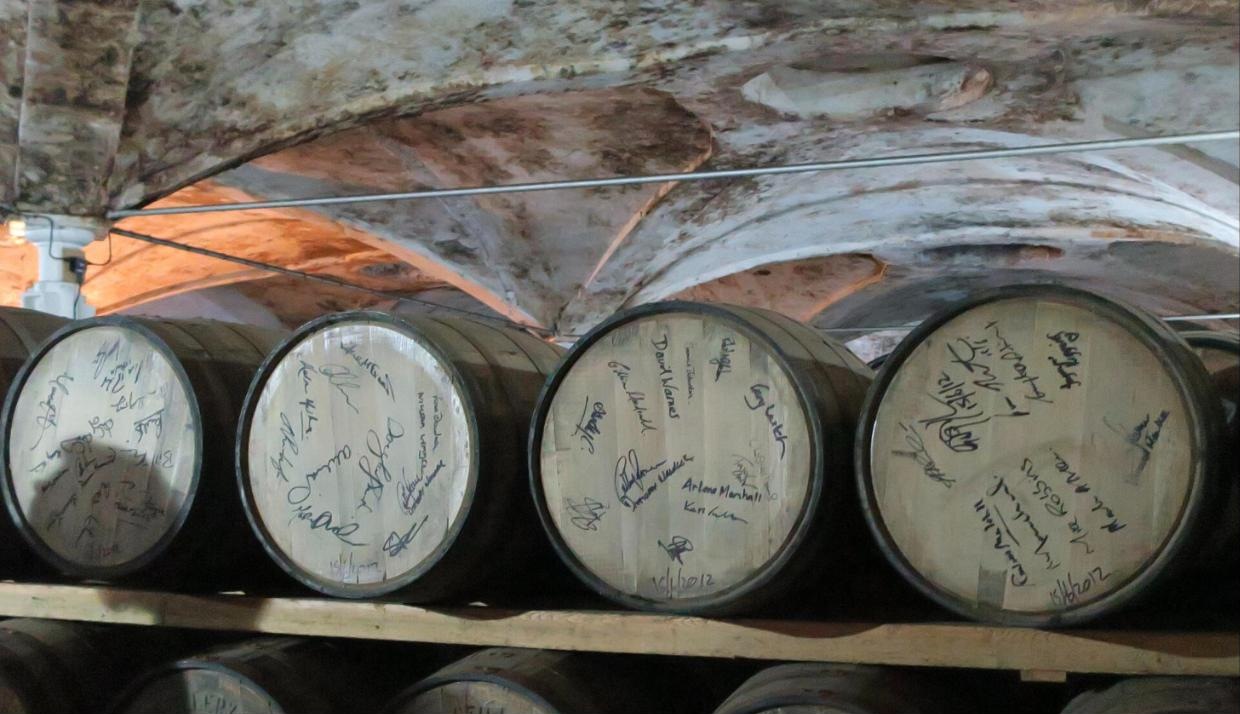
Size matters in a similar way. A smaller cask has more wood in contact with each litre of spirit, so a barrel of 190 to 200 litres and a butt of 475 to 500 litres do not behave identically, even when filled with the same new make on the same day. When a cask is described as a hogshead, a barrel or a butt, that description is a statement about volume, wood contact and handling, and it is worth knowing which one you are reading.
The Highland Climate and the Angel’s Share
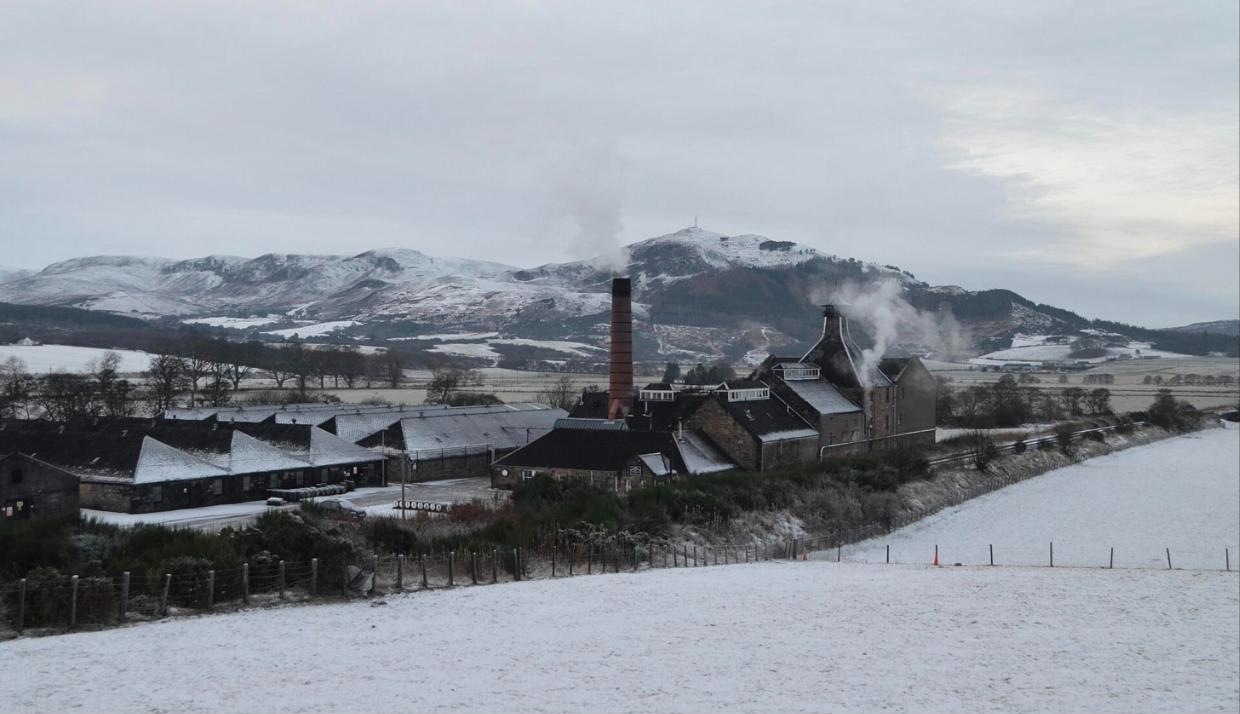
While the spirit matures, a small share evaporates through the wood, known as the angel’s share. A Hedonism Wines explainer puts the loss at about 2 per cent a year in Scotland, helped by a cool and stable coastal climate, compared with up to about 10 per cent in Kentucky. It adds that in the Highlands temperature swings are more pronounced and the angel’s share might be slightly higher, without giving a figure. That is a cautious statement and it should be read as one. The Highlands cover a very large area, from sheltered glens to open coast, and a cask’s experience depends on its warehouse as much as on its region. The Islay series looked at warehouse types in Episode 4, so the Highland point here is a simple one: ask where the cask is held.
Reading a Cask’s Paperwork With the Wood in Mind
The fields that carry the wood story are the cask type and size, the previous contents, whether the cask is first-fill or refill, the fill date, the volume and strength, and the warehouse. A bare description such as “sherry cask” leaves open which style of sherry it held, whether it is first-fill, and what size it is. A careful reader checks that the type, size and previous fill are described consistently across the documents, and asks for any difference to be explained in writing.
Taken together with the first two episodes, the habit is the same each time. Start with the region, narrow to the neighbourhood and the distillery, then check the wood and every other field against the paperwork. The cask is where the detail lives.
This series is for education and is not financial advice. Cask ownership is a long-term commitment and outcomes vary, so independent legal and tax advice is a sensible step before any purchase.
Sources
Scotch Whisky Regulations 2009, regulation 3 (oak casks, 700 litre limit, minimum three years, 40% ABV): https://www.legislation.gov.uk/uksi/2009/2890/regulation/3
Scotch Whisky Association, Guidance on Allowable Casks for Maturation (2025): https://www.scotch-whisky.org.uk/media/2386/guidance-on-allowable-casks-for-maturation_2025-1.pdf
Whisky Invest Direct, Scotch whisky casks and barrels (sizes, first-fill and refill): https://www.whiskyinvestdirect.com/about-whisky/scotch-whisky-casks-and-barrels
Hedonism Wines, Whisky 101: What is the Angel’s Share: https://www.hedonism.co.uk/pages/whisky-101-what-angels-share
Whisky Magazine, Forest to Flask (Glenmorangie wood policy, 2008): https://www.whiskymag.com/articles/forest-to-flask/
VinePair, Dalmore (Jerez casks and Cask Curation): https://vinepair.com/articles/ntk-the-dalmore/
Whisky Monkeys, Lost casks, ghost stories and sherry: the history of Glengoyne: https://whiskymonkeys.com/en/sections/lost-casks-ghost-stories-and-sherry-the-fascinating-history-of-glengoyne
Whisky Cask Club ownership guide 2026, Highland Masterclass Episodes 1 and 2, and Islay Masterclass Episodes 1 to 6.
Images: Balblair distillery casks by Alan Jamieson (CC BY-SA 3.0); Edradour distillery warehouse by Andrew Abbott (CC BY-SA 2.0); Deanston distillery storage by Aceman87 (CC BY-SA 4.0); Balblair distillery in winter by Andrew Tryon (CC BY-SA 2.0). All via Wikimedia Commons, cropped for layout.