

Speyside Part 5: Why Speyside Casks Are the Most Talked About
Part 5 of 12 — Speyside Series
The first four articles in this series were about understanding Speyside. The geography that made it possible. The distilleries that made it credible. The benchmark name that made it collectible. The cask mechanics that made it tangible.
This article is about what all of that means for an investor.
How Whisky Casks Became a Serious Asset Class
The idea of whisky as an investment is not new in the West. Private collectors, independent bottlers and industry insiders have traded casks for decades across the United Kingdom and Europe. But in Asia, the conversation is considerably more recent, and it is the speed and scale of that shift that changed the nature of the market entirely.
The driver was not simply growing affluence, though that played a role. It was a deepening appreciation for what Scotch whisky represents as a category: a drink defined by provenance, regulated production, measurable age and a global reputation for quality that no other spirit category has built so consistently over such a long period.
India, the world’s largest whisky consuming nation by volume, began importing Scotch in significantly greater quantities as its urban affluent population grew and attitudes toward premium spirits shifted. China and Hong Kong, already established markets for luxury goods, developed a sophisticated collector appetite for aged single malts and limited expressions that drove demand at the premium and ultra-premium end of the market in ways that reverberated through auction results globally. Southeast Asia followed, with Singapore, Thailand and Malaysia emerging as important markets for both Scotch consumption and cask ownership.
This was not simply a story of more people drinking more whisky. It was a story of a new generation of buyers looking beyond the glass and asking a different question entirely: if this liquid becomes rarer, more complex and more sought-after with every year it spends in the cask, what does ownership of that cask represent?
The answer, for a growing number of sophisticated investors across Asia and beyond, was something that looked very much like a long-term store of value.
The Knight Frank Luxury Investment Index, one of the most closely watched trackers of passion asset performance among private wealth managers and family offices globally, ranked rare whisky as the top performing passion asset over a ten year period in its 2023 report, outperforming art, wine, watches, jewellery and classic cars. That data point confirmed what a smaller group of informed buyers already understood: that the underlying mechanics of this asset class produced a performance profile that serious capital tends to follow.
Casks, rather than bottles, became the preferred entry point for this new class of buyer. A cask represents the whisky at its earliest, most affordable stage, before the distillery, the bottler and the retailer have each added their margin. It is the most direct form of ownership available in this market, and the one that captures the most value across the full maturation cycle.
What Makes Scotch Whisky a Premium Asset

Not all spirits are treated equally by the market, and understanding why Scotch whisky specifically commands the attention it does requires looking at what separates it from every other category.
Scotch whisky is one of the most tightly regulated spirit categories in the world. The Scotch Whisky Regulations 2009 define precisely what can and cannot be called Scotch, covering everything from the geographical requirement that it must be produced and matured entirely in Scotland, to the minimum three-year maturation period in oak casks, to the requirement that it be distilled from malted barley or grain at an alcoholic strength below 94.8 percent ABV. These regulations are enforced by the Scotch Whisky Association and backed by UK law.
That regulatory framework is not merely a technical detail. It is the foundation of Scotch’s global credibility. A bottle or cask of Scotch whisky carries with it a legally verifiable guarantee of origin, production method and minimum age that consumers and investors in every market can rely on. This level of traceability and legal protection is rare among luxury goods and rarer still among investable assets.
The age statement system adds a further dimension of verifiable quality. When a bottle states 18 Years Old, that figure is legally guaranteed: the youngest drop of whisky in that bottle spent a minimum of 18 years maturing in oak. Age cannot be manufactured, accelerated or fabricated within the regulatory framework. It can only be waited for. That irreversibility is what gives aged Scotch its particular position in the collector and investor market.
Combined with Scotland’s reputation as the origin of the world’s most respected whisky tradition, these factors produce an asset whose premium positioning is not simply the result of marketing. It is the result of regulation, time and a global track record that no other producing nation has replicated at scale.
The Speyside Advantage Within the Asset Class
The Scotch whisky cask market covers every producing region of Scotland, and serious brokers and buyers engage with casks from across the country. Each region offers its own character, its own history and its own investment dynamics.
Within that market, Speyside occupies a specific position that the preceding four articles in this series have been building toward.
The region’s concentration of historically proven distilleries, its climate suited to slow and structured long-term maturation and its deeply established secondary market populated by independent bottlers, auction houses and private collectors, combine to produce a cask market with a depth of informed demand that few other regions can match at scale.
What this means in practical investment terms is that a Speyside cask from a recognised distillery begins its investment life with a base of market recognition, a transparent valuation framework and an established pool of potential buyers already in place. That does not remove the inherent risks of cask ownership, but it does mean the investor is operating within a market structure that is well understood rather than opaque.
The auction record explored earlier in this series reflects this. The consistent performance of Speyside expressions at the highest levels of the secondary market, from The Macallan’s record-breaking auction results to the sustained demand for aged expressions from across the region, is the market’s recognition of a combination of qualities that have been built, verified and compounded over generations.
Working With a Specialist: What It Means in Practice
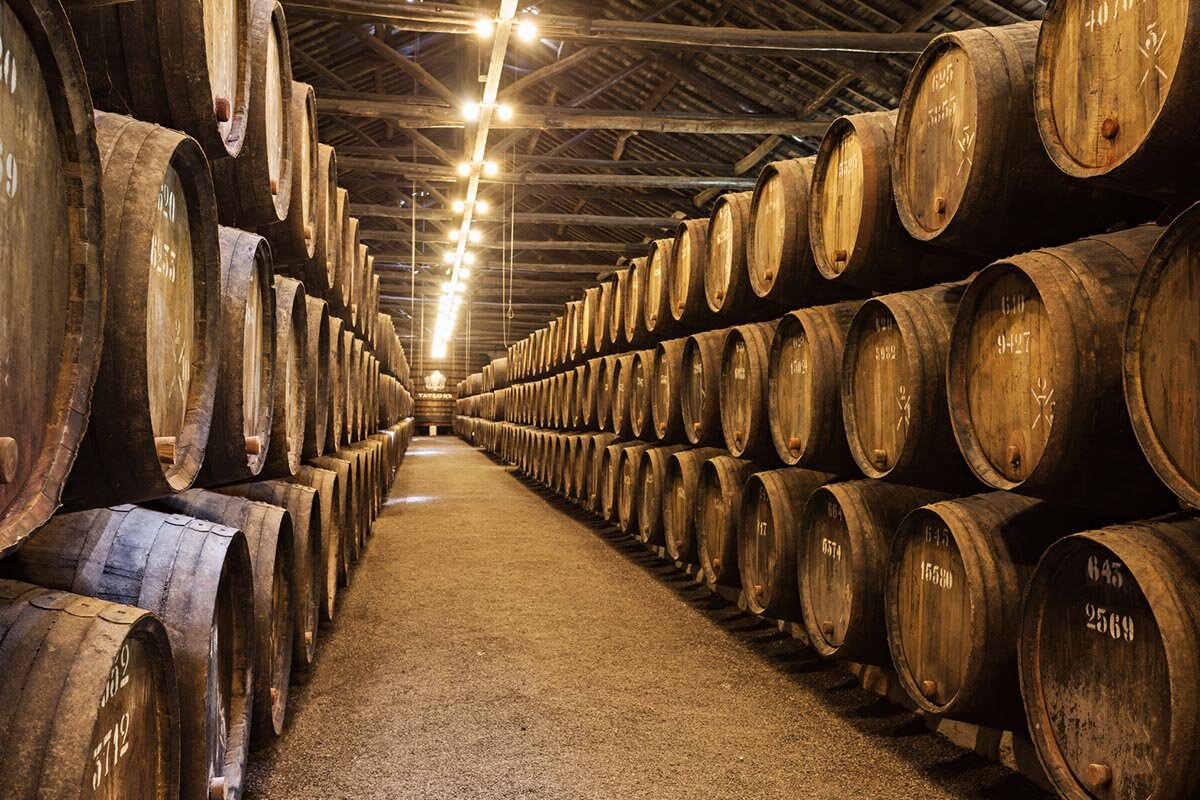
For an investor considering entry into the Speyside cask market, working with a reputable specialist broker represents a meaningfully different experience from navigating this market independently.
Whisky Cask Club was established to operate at precisely this intersection, between the Scotch whisky industry’s production world and the private investor market that has grown up around it. With offices across Singapore, Hong Kong, Thailand and the United Kingdom, WCC works with clients to navigate the Speyside cask market with confidence, providing expert advice on cask selection, distillery provenance and market timing, alongside the full management of cask logistics, from sourcing and storage in HMRC-approved bonded warehouses, through regular documentation and regauge updates, to clearly defined exit pathways when the time comes to realise the asset.
What working with WCC means in practice is not simply access to casks. It is having a knowledgeable, experienced team managing every stage of the process on your behalf, so that the complexity of the market does not become a barrier to participating in it.
Cask investment, like any alternative asset, carries risk. The value of a cask can be affected by changes in market demand, distillery reputation, the condition of the cask itself and broader macroeconomic factors. Past performance in the secondary market does not guarantee future returns. These are long-term, illiquid investments suited to investors with an appropriate risk appetite, a sufficiently long time horizon and a genuine interest in the asset itself.
What WCC offers is not a shortcut past those realities. It is the knowledge, relationships and operational infrastructure to navigate them with as much clarity and confidence as the market allows.
This article is part of an ongoing editorial series produced by Whisky Cask Club, exploring the history, craft and market dynamics of Speyside whisky.
— Jason Chong
Director of Business Development, Whisky Cask Club
This material is intended for informational purposes only and does not constitute financial, investment or legal advice. Cask investment carries risk, including the risk of partial or total loss of capital. Past performance is not indicative of future results. This content is directed at accredited investors and sophisticated persons only.


