
Whisky Cask Club Q2 Market Report
Executive Summary
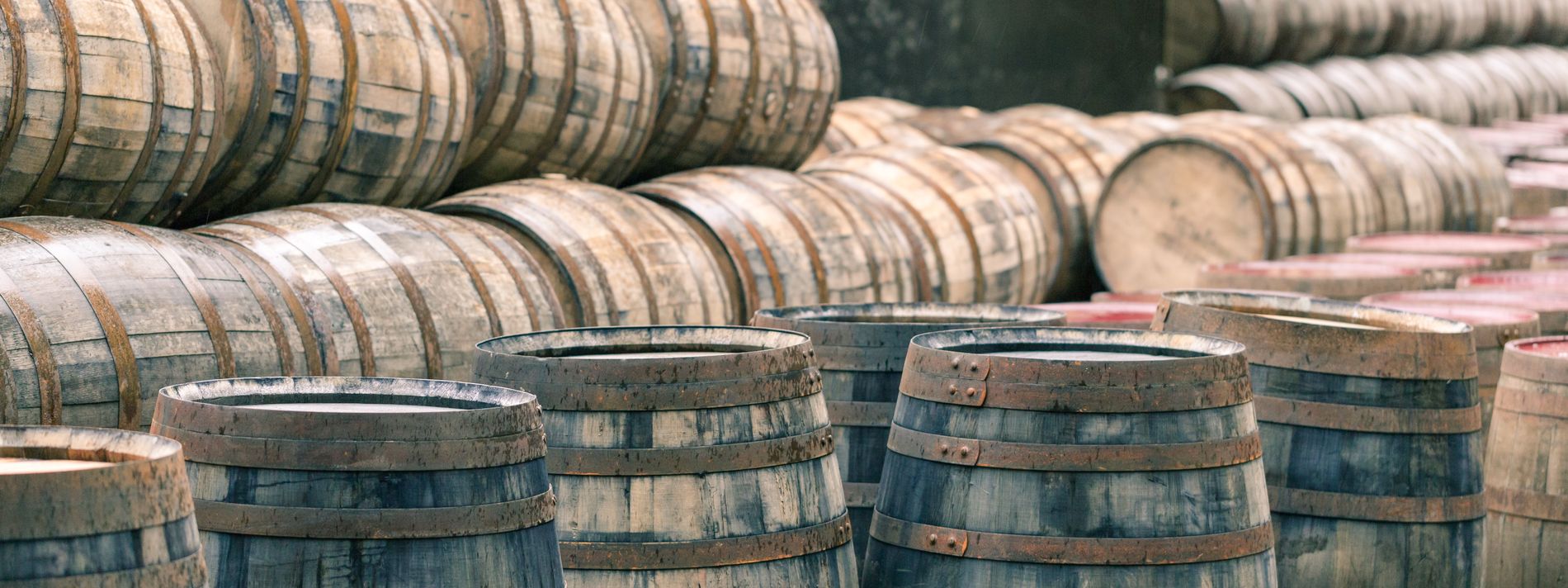
If Q1 was a market searching for direction, Q2 would deliver a decisive one. Three developments have converged to create what we believe is one of the most compelling cask acquisition environments in recent memory: a dramatic tariff breakthrough in the United States, continued production restraint across Scotland’s major distillers, and a retail market that, while flat on the surface, is quietly building structural pressure for the asset that sits beneath the glass.
The message from the warehouse floor is clear: the wood is working, the supply is tightening, and the window is open.
The Tariff Breakthrough: America Is Back

In our Q1 report, the 4th of July loomed like a line in the sand. The five-year suspension of the Boeing–Airbus tariff on single malt Scotch was set to expire, with the threat of duties climbing from 10% back toward 25–35%. The cask market had priced this risk in, and the retail export numbers showed it, with US volumes off 15% in 2025 under the existing 10% blanket tariff.
BACKGROUND: THE BOEING–AIRBUS TARIFF
A dispute over aerospace subsidies between Boeing and Airbus caused a devastating US tariff on single malt Scotch in 2019. This penalty was paused in June 2021 for exactly five years. Distillers feared a disastrous return in June 2026, until new US agreements officially removed all whisky import tariffs permanently.
On 30 April 2026, President Trump lifted tariffs on UK whisky entirely, citing the goodwill generated by the King’s state visit to Washington. For the Scotch whisky industry, and for cask investors in particular, this is transformational.
WHY THIS MATTERS FOR CASK HOLDERS
The US has historically been Scotch whisky’s single most valuable export market, accounting for over GBP 1 billion in annual sales. With US demand suppressed for seven years across two tariff episodes, the pent-up appetite is substantial. As export economics normalise, the commercial pull on Scotland’s aged stock, and therefore the floor under cask valuations, strengthens materially.
The SWA’s Mark Kent had described the trading environment as facing pressures not felt for decades. That pressure has now eased on the single most important front. Independent bottlers and blenders supplying the US market will be moving aggressively to restock. That demand lands squarely on the maturing casks sitting in HMRC-bonded warehouses across Scotland.
The Retail Pause: Your Entry Window

The flat retail market is not a warning sign for cask investors. It is an invitation.
Global Scotch whisky exports declined 0.6% in value and 4.3% in volume in 2025. The premium-tier bottle market has plateaued. Some high-end modern releases, once flipped like commodities, are moving more slowly through the collector channels. On the face of it, that sounds cautious.
Look closer, and you see something different. The fundamentals driving long-term cask value are intact, and the flat retail cycle has simply cleared the speculative froth that inflated entry prices in 2021–2023.
What the Flat Cycle Tells Us
Production cuts are locking in future scarcity. Major producers including Diageo have scaled back output at high-volume sites. Fewer barrels filled today means a statistical rarity in 2035–2040.
The premiumisation trend remains structurally intact. Ultra-premium expressions grew 6% in 2024 even as mid-tier stalled. The luxury end of the market, where aged casks ultimately land, is not retreating.
The Asia-Pacific reset creates a re-entry point. APAC declined 8.3% in value in 2025. Historically, corrections of this kind precede demand rebounds, particularly as the India FTA tariff reductions (now moving from 150% to 75%) begin to pull through.
Ghost distillery and long-aged stock remain untouchable. Capital is concentrating at the top. The market is maturing into a bifurcated structure, commodity bottles under pressure, irreplaceable casks appreciating.
THE VINTAGE LENS: WHY 2025–2026 FILLINGS ARE SIGNIFICANT
New-make and young spirit casks filled during a production contraction cycle have historically carried a scarcity premium at maturity. The distilleries pulling back today are filling fewer barrels than in any comparable period since the early 2010s. Investors acquiring casks now are, in effect, securing a vintage that the broader market will compete for in 12–15 years.
Market Intelligence: The Emerging Demand Picture

India: Volume Leader, Premium Catalyst
India has cemented its position as Scotch whisky’s largest market by volume, 220 million bottles imported, and is now the third largest by value at GBP 286m, up 15%. The UK–India Free Trade Agreement’s tariff reductions are only beginning to work through the system. As Indian consumers migrate up the value chain, the demand signal for aged single malts will strengthen. For Islay and Highland cask holders, this is a decade-long tailwind.
Emerging Markets: The Growth Arc
Turkey recorded a 43% surge in Scotch export value to GBP 255m, now rivalling established European markets. The UAE rose 7% to GBP 155m. South Korea, Vietnam, and Dubai are building genuine collector cultures, driven by aspirational professionals rather than legacy buyers, that favour provenance, age statements, and distillery identity over brand recognition alone. These are precisely the markets that independent bottlers and specialist retailers are targeting, and they are the natural exit channel for premium casks reaching maturity.
The Auction Signal: Quality Over Quantity
The speculative middle has softened. Modern releases acquired purely for resale are moving slowly. But at the top of the auction market, the signal is unambiguous: exceptional liquid commands exceptional prices, regardless of the macro backdrop. Capital is not leaving the whisky market. It is concentrating, becoming more selective, more patient, and more focused on genuine rarity. That is precisely the profile of a well-chosen cask.
Production: Supply Discipline and What It Means
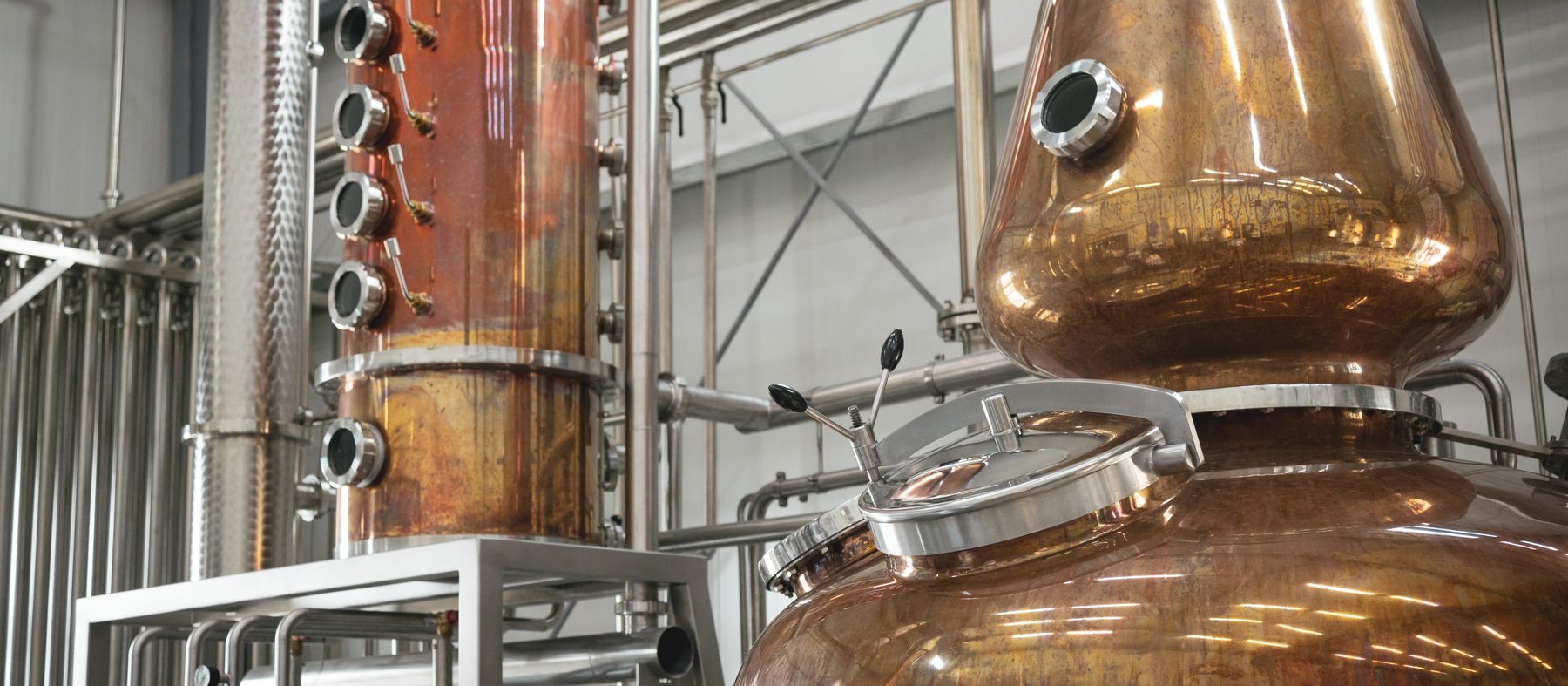
Scotland’s production landscape has undergone a meaningful shift. With 19% of distilleries reported under financial pressure and major producers scaling back output, the industry is filling materially fewer casks in 2025–2026 than at the height of the post-pandemic expansion. Jim Beam’s Clermont distillery pause, reflecting the same inventory correction dynamic playing out in American whiskey, underlines that this is a global recalibration, not a Scottish anomaly.
For investors, supply discipline is not a risk. It is the engine of future value. A cask filled in 2026 enters a peer cohort that will be numerically smaller than almost any vintage since 2012. Biological maturation is indifferent to market cycles, the spirit ages, the wood works, the ABV concentrates, and scarcity compounds with every passing year.
THE ANGEL’S SHARE ADVANTAGE
While retail market participants debate short-term pricing, cask investors benefit from a force that operates entirely independently of market sentiment: natural evaporation. In a first-fill oloroso butt, approximately 1.5% of volume is lost annually to the angel’s share. In an ex-bourbon barrel, approximately 2%. This loss is not a cost, it is a concentration mechanism, increasing the density and complexity of the remaining spirit, and compressing yield for any buyer who waits to acquire at maturity.
Q2 2026 Portfolio Benchmarks
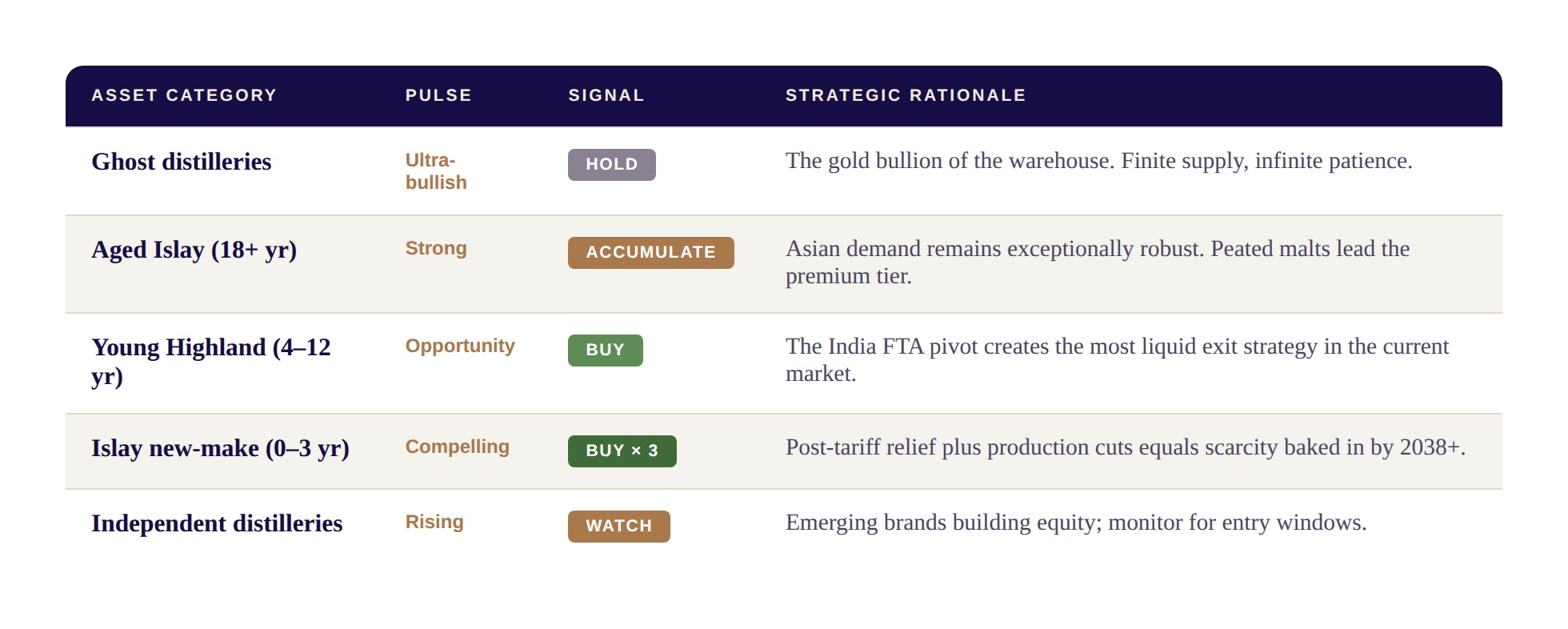
Signal denotes our current strategic posture and is not a personalised recommendation.
CONCLUSION
Investor Outlook: The Case for Acting Now

The conditions that define an optimal cask acquisition environment have rarely aligned as clearly as they do in Q2 2026:
The tariff overhang on the US market, a weight on sentiment since 2019, has been lifted. The world’s most valuable Scotch whisky market is reopening to full-cost economics.
Retail prices have softened from their speculative peak, creating entry points at historically attractive valuations. The floor is not retreating, it is rebuilding on stronger structural ground.
Production contraction is industrially underway. The casks you acquire today will be among the rarest of their vintage cohort when they reach commercial maturity.
Eastern demand, India, Turkey, Southeast Asia, the Gulf, is growing independently of the US and European cycles, providing genuine exit-route diversification.
The 18-year threshold remains the definitive value inflection point. Casks crossing that mark are transitioning from commodity to collectible, and the supply of casks approaching that horizon is being actively constrained.
At Whisky Cask Club, our view is straightforward: the flat retail cycle is not a reason to pause. It is the reason to proceed. The biological clock does not negotiate with macroeconomics. The wood is working now. The question for any serious investor is not whether to act, it is whether to act before the window narrows.


