
Speyside Part 8: Speyside Beyond the Bottle: A Journey Into Scotland’s Whisky Heartland
Part 8 of 12 — Speyside Series
Come in early October if you can.
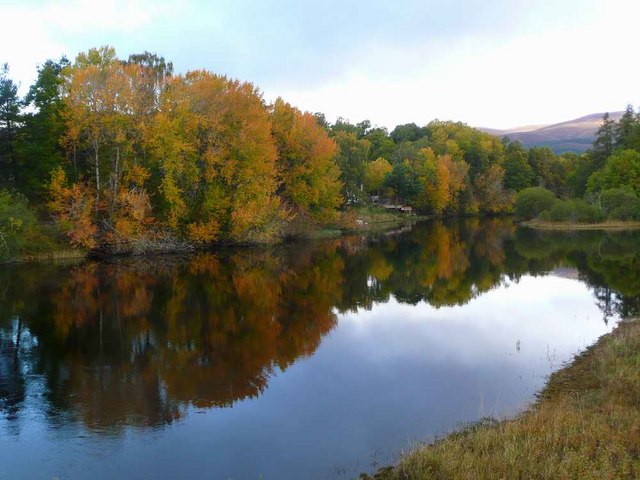
The heather has turned from purple to deep russet. The birch trees along the River Fiddich have gone fully gold. The sky over the Cairngorms sits pale and wide, with high cloud moving fast from the west, throwing shadows across the hillsides that shift as you watch them. The light at this latitude in October is low even at midday, long and amber, the kind photographers travel specifically to find.
Somewhere between Aberdeen and Dufftown, with the dual carriageway behind you and a single-track road climbing through pine forest ahead, the air changes. Sharp and clean with something underneath it, damp earth, woodsmoke and a faint sweetness that you cannot quite place. Then a distillery chimney appears through the trees, trailing steam, and you place it immediately. The production season is running. Spirit is being made.
This is how Speyside introduces itself. Not with a sign. With a scent.
Getting There
Aberdeen International Airport is the best entry point for most international visitors. It connects directly to London Heathrow, Amsterdam Schiphol and Dubai International, covering the major long-haul connection hubs from Asia, the Middle East and beyond. From the terminal, Dufftown is one hour and fifteen minutes by car on roads that become progressively more rewarding as you move west.
Inverness Airport is worth considering if you are combining Speyside with the broader Scottish Highlands or the North Coast. It sits approximately 45 minutes from the western edge of the region. Edinburgh and Glasgow are viable alternatives for a wider Scotland itinerary, both around two and a half hours by road.
Hire a car. There is no viable alternative. Speyside is rural, its distilleries are spread across a wide area and the most rewarding experiences are accessible only by road or on foot. The drive through the glens is not a means to an end. It is part of what you came for.
When to Go
Speyside rewards a visit in every season, but each offers a distinctly different experience.
Late April to early May is when the Spirit of Speyside Whisky Festival takes place, one of the largest whisky events in the world. Over five days, more than 500 events run simultaneously across the region, from distillery tours and tutored tastings to ceilidhs, dinners and behind-the-scenes access that is not available at any other time of year. Many distilleries release festival-exclusive expressions, single cask bottlings and limited editions available only during that week. For anyone serious about Speyside whisky, attending at least once is a worthwhile ambition.
Summer, from June through August, brings the longest days and the most accessible walking conditions. The Speyside Way is at its most comfortable in July and August, with mild temperatures, long evening light and the rivers running lower and clearer. Distilleries are fully operational and visitor centres are at their best staffed and presented.
September and October are the most atmospheric months. The harvest is in, the production season is running at full capacity, the light is extraordinary and the landscape is at its most visually dramatic. The smell of distilling is strongest at this time of year and the region feels most fully itself. For a first visit, this is the window to aim for.
November through January is the quietest period. Some visitor centres reduce their hours or close for maintenance. The roads through the glens can be affected by winter weather, particularly at higher elevations. But for those who do not mind the cold and the early dark, a winter visit to Speyside carries its own rewards: fewer other visitors, distillery staff with more time to talk and a landscape stripped back to its essential bones.
The Landscape
Speyside sits within the Cairngorms National Park, the largest national park in the United Kingdom and one of the few places in Britain where the landscape feels genuinely untouched. The Cairngorm plateau rises to over 1,200 metres to the south, its granite profile anchoring the horizon. Below it, the land descends through steep glens into the valley of the River Spey, which runs northeast for over a hundred miles to the Moray coast, fast and amber-clear over dark gravel beds.

The towns of Dufftown, Rothes, Aberlour and Craigellachie sit within this landscape without dominating it. Stone-built distilleries appear on hillsides and valley floors with the quiet confidence of things that have been there a very long time. In October, with the harvest in and the glens turning colour, the whole region has a particular stillness that is difficult to describe and easy to feel.
The Speyside Way
Running approximately 65 miles from Aviemore in the Cairngorms to Buckie on the Moray coast, the Speyside Way is one of Scotland’s best-kept walking secrets. The route follows the River Spey through the heart of distillery country, passing through Grantown-on-Spey, Aberlour and Craigellachie along stretches of the old Strathspey Railway line.

It is not a demanding walk. Much of it follows flat riverside terrain accessible to most fitness levels. What it offers is something a car cannot: the experience of moving through the landscape at a pace slow enough to notice it. The smell of fermentation drifting from a distillery across the path. The sound of the Spey over its stones. A heron standing motionless in a shaded pool. These are the details that make a place memorable rather than merely visited.
Food, Produce and Where to Stay
Northeast Scotland produces some of the finest raw ingredients in Britain, and the region’s tables reflect this. The Moray Firth delivers fresh haddock, crab, langoustine and wild salmon, often within hours of the catch. Aberdeen Angus beef is among the most respected in the world. In October, the game larder is full: grouse, pheasant and venison from the surrounding estates appear on menus throughout the region.
The Craigellachie Hotel is where most serious whisky travellers end up, and for good reason. A Victorian property at the confluence of the Spey and Fiddich, its Quaich Bar holds one of the largest single malt collections in the world and functions as an informal meeting point for distillery staff, whisky writers and buyers passing through. The rooms are characterful rather than corporate. The food is honest and good. Book ahead.
Mash Tun in Aberlour is a smaller, more intimate choice, a converted Victorian railway station with a whisky list that reflects its location and a breakfast table where conversations about cask yields happen naturally. For those who prefer privacy, estate properties and self-catering houses across the region offer river access, walking land and genuine seclusion.
What Not to Miss
The Speyside Cooperage in Craigellachie. One of the last working cooperages in Scotland, it is worth an hour of anyone’s time. Watching a cooper raise a cask from raw oak staves by hand, driving hoops with a precision built over years of daily practice, is one of those experiences that reframes how you think about the liquid in the bottle. There are fewer than 200 qualified coopers left in Scotland. This is a craft with a finite future.
The Malt Whisky Trail connects eight Speyside distilleries by self-guided driving route, taking in the cooperage and several of the region’s most historically significant names. It is not exhaustive, but as a first-time framework it is well structured and covers the essential ground.
Glenfiddich Distillery in Dufftown offers one of the most comprehensive visitor experiences in Speyside, with tours that take in the full production process from mashing through to cask filling and warehouse sampling. The distillery has been continuously operated since 1887 and the sense of accumulated history is present throughout. The Pioneers Experience, a premium tour offering a deeper look at the distillery’s history and rare expressions, is worth booking in advance.

The Macallan Estate near Aberlour is a destination in its own right. The distillery building, designed by Rogers Stirk Harbour and Partners and opened in 2018, is one of the most architecturally striking structures in Scotland, built into the hillside above the Easter Elchies estate. Tours here connect the physical landscape, the production philosophy and the cask programme in a way that brings the region’s story to life in a single visit.
Aberlour Distillery runs a fill-your-own-bottle experience that allows visitors to draw spirit directly from a cask and take it home. It is a simple idea and an enormously satisfying one.
Gordon and MacPhail in Elgin, approximately 30 minutes north of Dufftown, is the world’s oldest independent bottler and its retail shop is unlike anything else in the whisky world. The shelves hold expressions spanning decades of Speyside production, many of which exist nowhere else in commerce. An hour here is time exceptionally well spent.
A dunnage warehouse, if any distillery offers you the chance to step inside one, take it. The low stone ceiling, the earthen floor, the rows of numbered casks in near darkness and the particular smell of oak and maturing spirit make time tangible in a way that no tasting note can replicate.
Aberlour village for its whisky shop, one of the best stocked in Scotland. Craigellachie for Thomas Telford’s bridge, which has spanned the Spey since 1814. Dufftown for its clock tower and the simple fact of standing in a town where the smell of distilling is just the air.
Your Cask Is In Speyside
A visit to Speyside makes a lasting impression. The whisky you drink afterwards carries a different weight. The names on the labels mean something they did not before. The age statement is no longer an abstraction but a measure of real time.
Going to Speyside as a cask owner and the experience deepens further still.
The warehouse floor you stood on, the cask you pressed your hand against, the smell that stayed in your coat for days afterwards. When you own a cask in Speyside, all of that becomes yours in a different way. The place is no longer just somewhere you visited. It is home to your cask.
Whisky Cask Club clients who visit Speyside after acquiring a cask describe it consistently as one of the most educational parts of ownership. The region becomes somewhere to return to. The whisky becomes something specific to anticipate. And when the time finally comes to open it, it will carry with it the memory of the October light on the Fiddich, the scent of distilling through a car window and the understanding of exactly where it came from.
That is what Speyside cask ownership, at its best, feels like. Not simply a financial decision. An experience waiting to be had.
This article is part of an ongoing editorial series produced by Whisky Cask Club, exploring the history, craft and market dynamics of Speyside whisky.
— Jason Chong
Director of Business Development, Whisky Cask Club
This material is intended for informational purposes only and does not constitute financial, investment or legal advice. Cask investment carries risk, including the risk of partial or total loss of capital. Past performance is not indicative of future results. This content is directed at accredited investors and sophisticated persons only.


