
Speyside Part 6: The Water Beneath the Whisky
Part 6 of 12 — Speyside Series
Every Speyside whisky begins with water.
Not with barley. Not with a copper still. Not with an oak cask. With water. And not just any water. Water that has spent years, sometimes decades, moving slowly through one of the most distinctive geological formations in the British Isles before it ever reaches a distillery.
Understanding what that water is, where it comes from and what it does to a spirit is not a detail reserved for chemists and distillers. It is the foundation of everything that makes Speyside whisky what it is. And for anyone who drinks, collects or simply cares about Scotch whisky, it is part of understanding why what ends up in a Speyside glass cannot simply be made somewhere else.
Why Water Matters More Than Most People Realise
Water is used at three critical stages in whisky production, and each stage is affected differently by water chemistry.
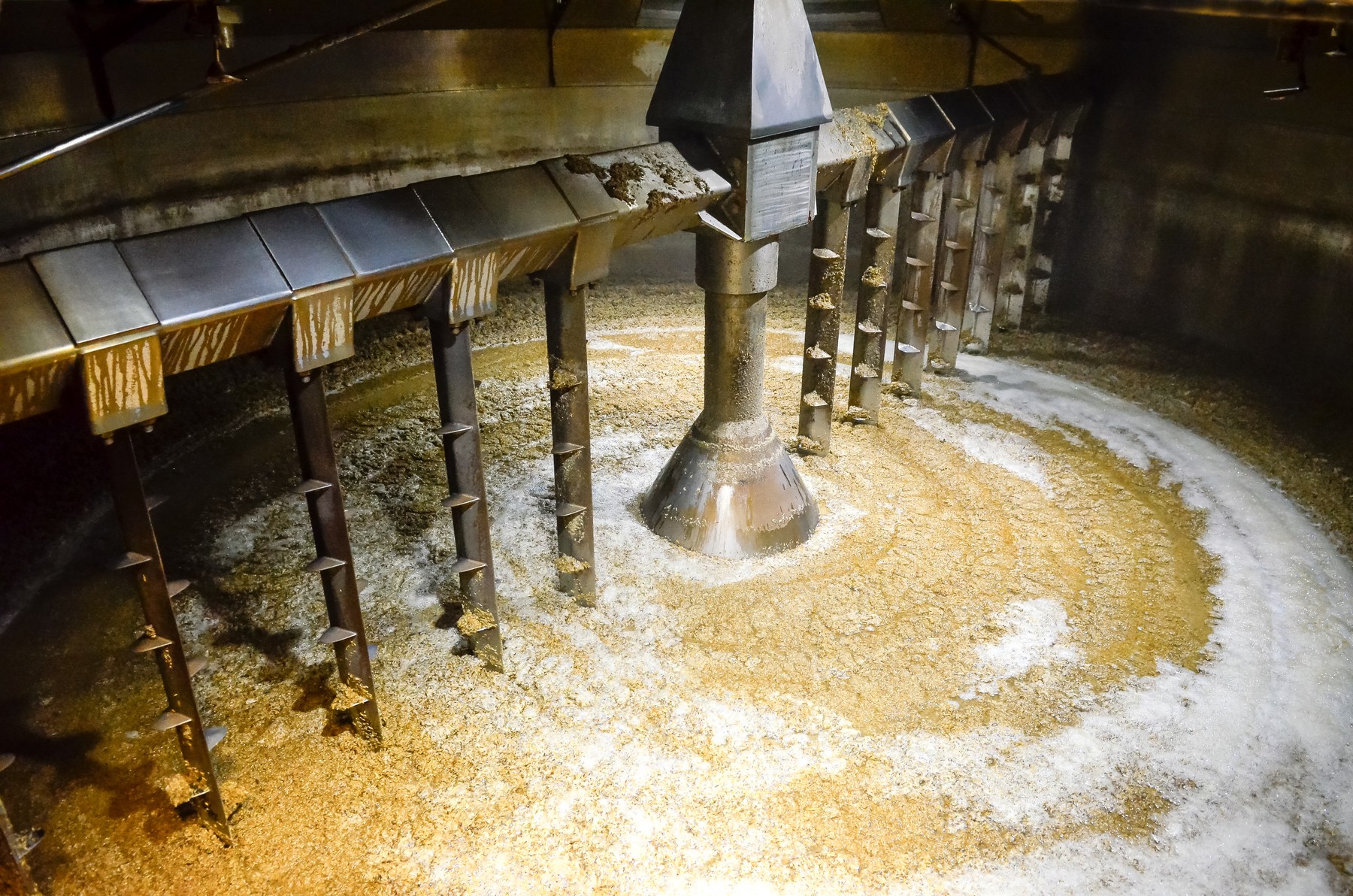
The first is mashing. Malted barley is mixed with hot water in a vessel called a mash tun, where enzymes in the malt convert starches into fermentable sugars. The mineral content of the water directly affects how efficiently those enzymes work. Water that is too hard, too rich in calcium and magnesium, can interfere with enzyme activity and affect the quality and yield of the fermentable liquid produced. Soft, low-mineral water allows the mashing process to proceed cleanly and efficiently, extracting the maximum quality of fermentable sugar from the grain.
The second stage is fermentation. The fermentable liquid, known as wort, is combined with yeast in large vessels called washbacks, where it ferments over several days into a liquid called wash. The mineral content of the water used throughout this process affects yeast health and behaviour. Certain minerals can stress yeast or suppress its activity, while the clean, soft water characteristic of Speyside tends to support healthy, vigorous fermentation that contributes to the lighter, more elegant spirit the region is known for.
The third stage is condensing. After distillation, the spirit vapour is cooled and condensed back into liquid using water passed through a condenser or worm tub. While the condensing water does not come into direct contact with the spirit in most configurations, its temperature and volume affect how quickly and efficiently the spirit is cooled, which in turn affects certain flavour compounds that form during condensation.
Across all three stages, the quality, temperature and mineral content of the water shapes what the spirit becomes before it ever reaches the cask. The cask then works on a spirit whose fundamental character has already been defined, in part, by the water that produced it.
The Geology of Speyside
To understand Speyside's water, you need to understand the rock it flows through.
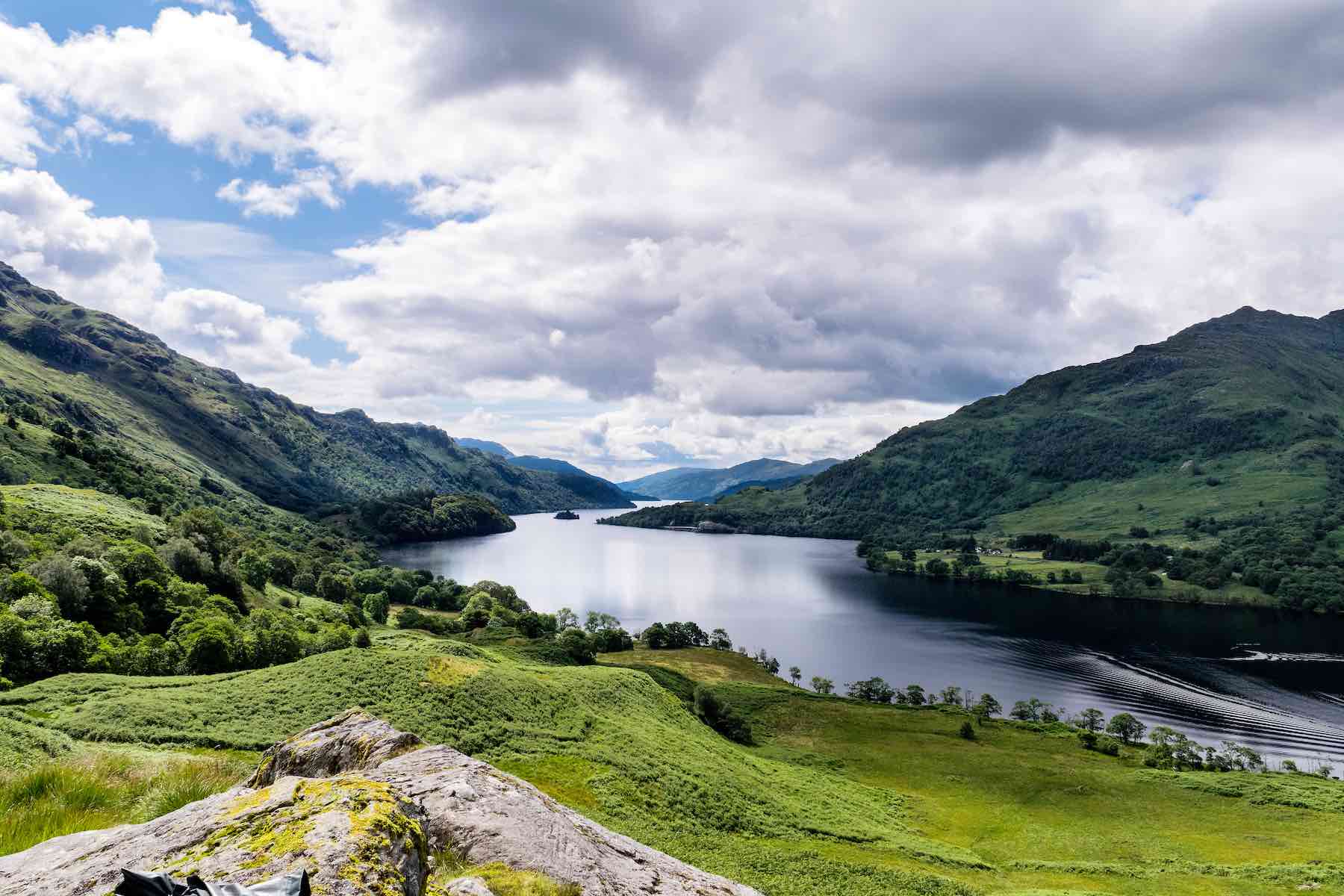
The Cairngorm mountain range, which forms the natural southern boundary of the Speyside region, is composed predominantly of granite, one of the hardest and most mineral-resistant rock types on earth. Granite does not dissolve easily. When rainwater falls on the Cairngorm uplands and percolates slowly downward through granite and the peat and heather that cover it, it picks up very little in the way of dissolved minerals. What emerges at the other end of that journey, in the springs and burns and tributaries that feed the River Spey and its network of smaller rivers, is water that is exceptionally soft and exceptionally clean.
This is not an accident of geography. It is a geological fact that has been shaping Speyside's distilling character for as long as distilleries have existed in the region. The granite uplands of the Cairngorms act as a vast, natural filtration system, producing water with a mineral profile that is almost ideally suited to the production of the light, elegant, fruit-forward spirit style that defines Speyside.
The River Spey itself is fed by multiple substantial tributaries, each draining its own section of this granite catchment. The Fiddich, the Livet, the Avon and the Dullan each carry water shaped by their specific path through the landscape, gathering subtle differences in character from the peat bogs, heather moorland and granite slopes they drain. Individual distilleries drawing from different tributaries or springs within the same broad region can produce noticeably different spirits despite sharing the same overarching geological heritage, one reason why Speyside, despite its relative compactness, supports such a diverse range of distillery characters within a broadly consistent flavour family.
Soft Water Versus Hard Water: What the Difference Actually Means
The distinction between soft and hard water is not simply a technical classification. In distilling, it is a flavour decision embedded in the landscape itself.
Hard water, rich in dissolved calcium, magnesium and other minerals, tends to produce a heavier, more robust spirit. The minerals interact with the fermentation process in ways that affect yeast behaviour and the production of certain flavour compounds, often resulting in a more full-bodied, oilier distillate. Regions with harder water sources have historically produced whisky styles that reflect this, richer, weightier and more assertive.
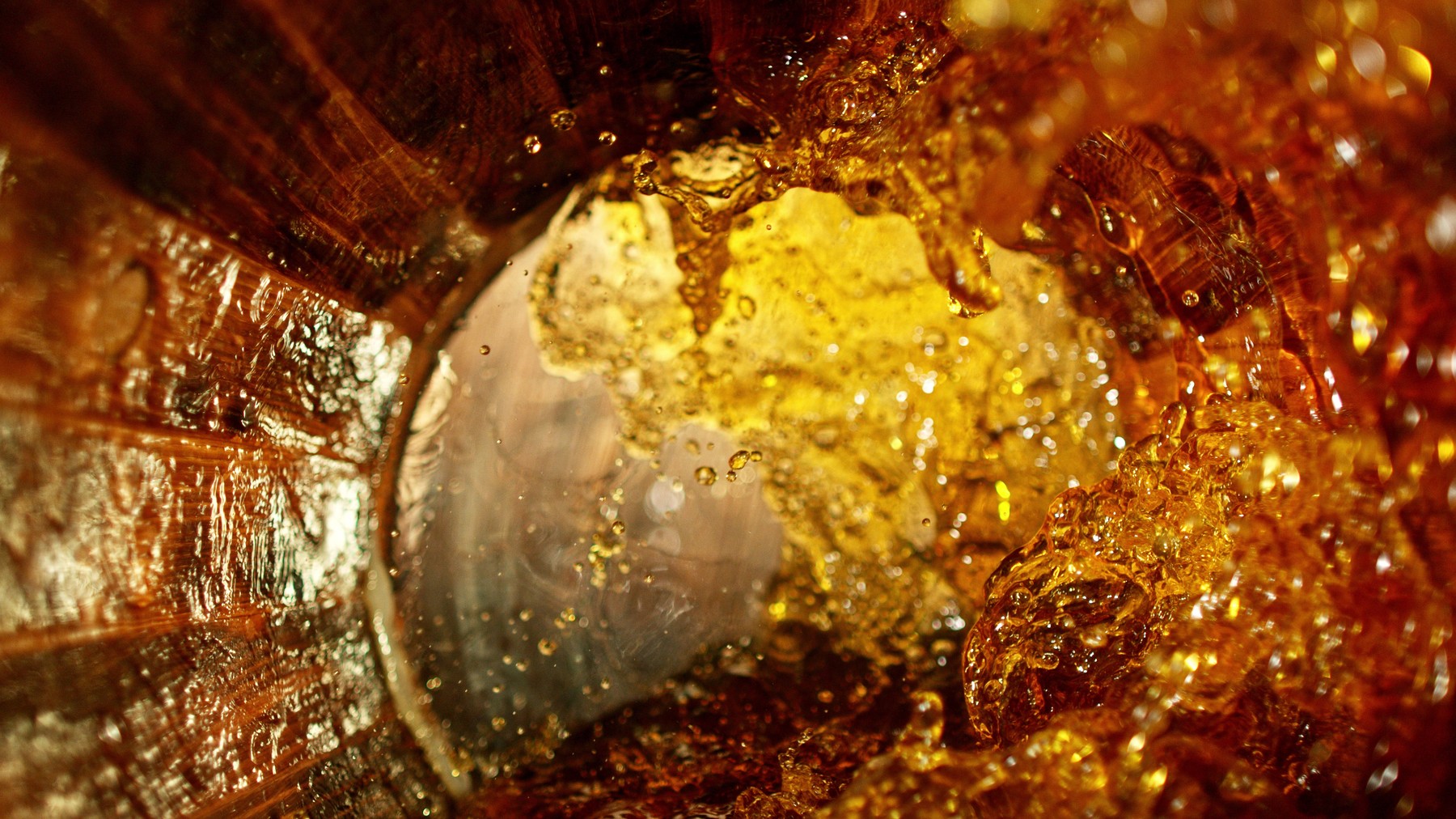
Soft water, low in dissolved minerals, tends to produce a lighter, cleaner fermentation. Yeast operates in a less chemically complex environment, producing a distillate with a more delicate flavour profile that carries fewer of the heavier congeners associated with hard water production. That delicacy is what allows the cask, the wood type, the previous contents and the years of maturation, to do more of the work in shaping the final whisky.
This is a central reason why Speyside is so closely associated with the sherry cask tradition. A lighter, cleaner spirit off the still is precisely the kind of new make that benefits most from long maturation in expressive wood. The spirit does not overwhelm the cask. It receives it. The two develop together over years in a way that produces the integration of fruit, spice and oak that defines Speyside's most celebrated expressions.
In regions where harder water produces a heavier spirit, the relationship between spirit and wood is different. The spirit brings more of its own character to the marriage, which can produce wonderful results but limits the degree to which the cask can express itself. Speyside's soft water creates the conditions for a particularly open, receptive spirit that is unusually well suited to the long, cask-driven maturation that produces the region's most complex and most collectible whiskies.

What Japan Learned and What It Could Not Take Home
The influence of Speyside on the global whisky community extends far beyond Scotland's borders, and nowhere is that influence more clearly documented than in Japan.
In 1919, a young Japanese chemist named Masataka Taketsuru travelled to Scotland specifically to study the art and science of Scotch whisky production. He spent time at several Scottish distilleries, immersing himself in every aspect of the process, from malting and fermentation to distillation and maturation. He took meticulous notes. He studied the stills. He understood the cask. He returned to Japan in 1920 with the knowledge required to establish what would become one of the world's most respected whisky industries.
Taketsuru could replicate the copper pot still. He could source similar cask types. He could hire skilled distillers and implement the techniques he had studied. What he could not take home with him was the water.
Japanese distilleries, including those he founded, sought out the softest, cleanest water sources available in Japan, and the country's volcanic geology does provide water of genuine quality in certain locations. The Japanese whisky industry has produced expressions of extraordinary quality that stand alongside the finest Scotch in international competitions. But the specific combination of Cairngorm granite, Speyside peat and the particular mineral signature of the River Spey's catchment has never been replicated. It belongs to this place, shaped by this geology, and it is available nowhere else on earth.
For the whisky community, this is not simply a romantic observation. It is a reminder that no matter how faithfully a distillery studies Speyside's methods or replicates its equipment, the water that gives Speyside whisky its particular character cannot be bottled, exported or reproduced. It is geographically fixed and entirely irreplaceable.
The Water Cannot Be Moved
A distillery can be rebuilt after a fire. A still can be replaced when it wears out. A cask programme can be redesigned when market preferences shift. A master distiller can be trained, developed and eventually succeeded by someone equally skilled.
The water cannot be moved.
The springs and burns that feed Speyside's distilleries have been flowing through the same granite for millennia. They will continue to do so. The soft, clean, low-mineral character of that water is not a product of human decision-making or technological investment. It is a geographical inheritance that belongs to this region and to no other.
When the whisky community reaches for a Speyside expression, whether a well-known single malt from a celebrated distillery or a quietly revered producer, that water is present in the glass. It is woven into the lightness of the spirit, the receptiveness to the cask and the elegance of the maturation that followed. It is the first ingredient and, in many ways, the most consequential one.
What began as rainfall on a granite mountain range became, through geology, time and the accumulated craft of generations of Speyside distillers, the most consistently recognised whisky producing region in the world.
That combination of irreplaceable geography, documented craft and generational consistency is precisely what the market has been recognising and rewarding for decades.
This article is part of an ongoing editorial series produced by Whisky Cask Club, exploring the history, craft and market dynamics of Speyside whisky.
— Jason Chong
Director of Business Development, Whisky Cask Club
This material is intended for informational purposes only and does not constitute financial, investment or legal advice. Cask investment carries risk, including the risk of partial or total loss of capital. Past performance is not indicative of future results. This content is directed at accredited investors and sophisticated persons only.


