
Speyside Part 1: The Region That Built A Market
Part 1of 12 — Speyside Series
There are whisky regions that produce good Scotch.
Then there are whisky regions that quietly shaped the market itself.
Speyside did both.
For many people entering the world of Scotch whisky, Speyside is not just another region on a map. It is often the first name they remember, the first bottle they recognise and the first style they learn to understand.
That familiarity did not happen by accident.
It was built slowly through exports, collectors, auction houses and decades of global demand. Long before whisky casks became an investment conversation, Speyside had already embedded itself inside the wider culture of Scotch. Understanding why begins with the land itself.
The Geography Behind the Reputation
Speyside sits in the northeast of Scotland, where the River Spey cuts through a landscape of glens, moorland and soft Highland light. It is a relatively compact region, yet it contains the highest concentration of distilleries anywhere in Scotland, with over 50 operating across the area today, a number that has grown steadily as the industry has expanded.
That concentration was not accidental. It was a consequence of geography.
The River Spey and its tributaries provide distillers with consistently soft, clean water, naturally low in minerals. Water chemistry matters more than most people realise. Low-mineral water contributes to a lighter, cleaner fermentation, which in turn shapes the character of the spirit before it ever reaches a cask. The surrounding land also grew quality barley, and the region's relative isolation, for much of its early history, kept production away from the reach of excise men.
By the time Scotch whisky began its journey toward global respectability in the late nineteenth century, Speyside was already producing more of it than almost anywhere else.
The Still, the Spirit and the Science Behind the Style
Geography explains why distilleries gathered in Speyside. But it does not fully explain why Speyside whisky tastes the way it does.
That answer lies in the still house.
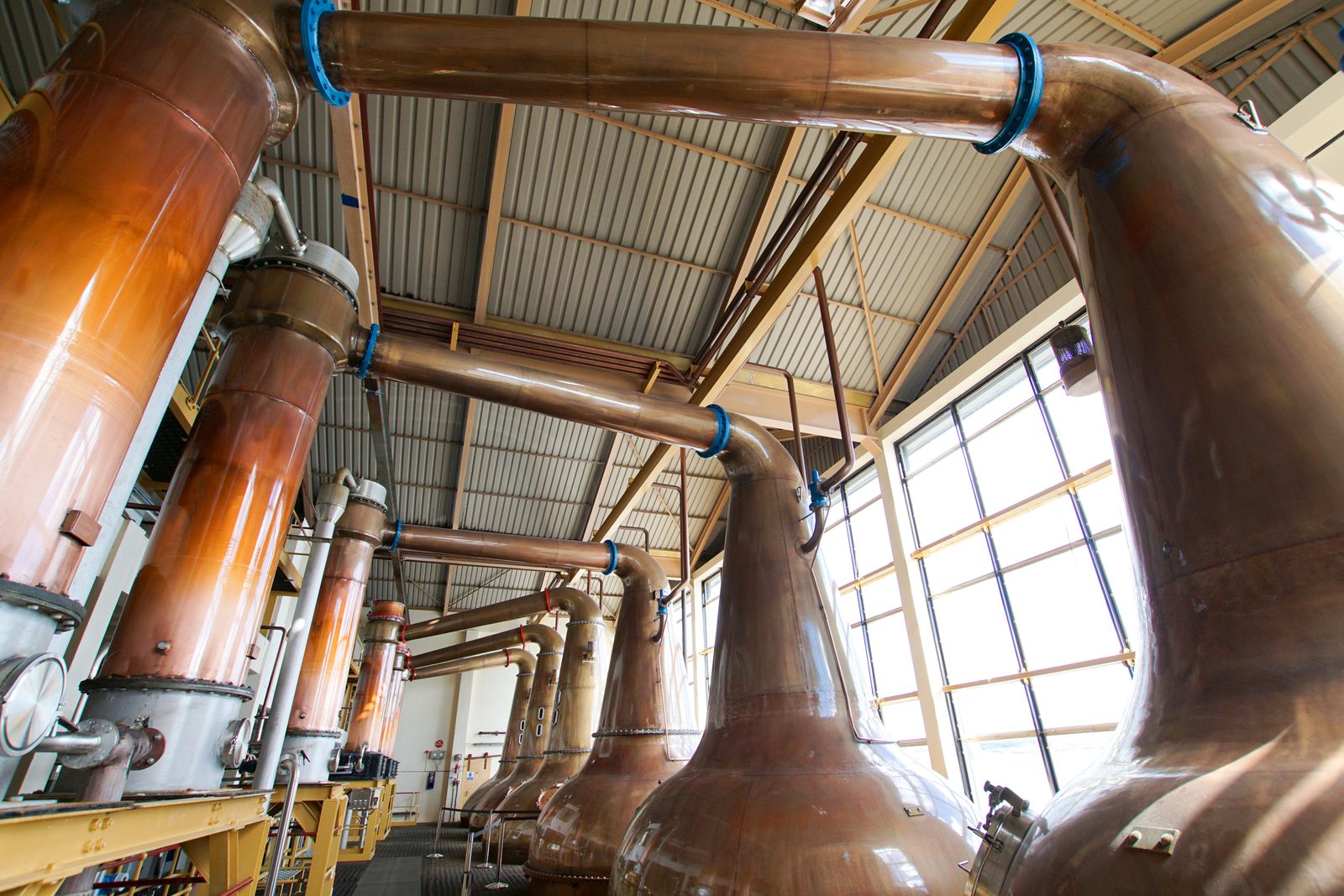
Speyside distilleries tend to use tall pot stills with long, elegantly shaped necks. This is a deliberate design choice with a precise effect. The longer the neck, the more the heavier, oilier compounds fall back down before reaching the condenser, a process known as reflux. What comes through is lighter, more refined and more delicate.
As a region, Speyside is also defined by its use of unpeated malted barley, though individual distilleries occasionally produce peated expressions. The absence of peat smoke as a default is itself a choice, and a consequential one. Without smoke masking the spirit, the character of the distillery, the quality of the water, the shape of the still and the skill of the distiller all become far more visible in the final whisky.
These decisions, repeated consistently across generations, are what gave Speyside its signature elegance.
What the Cask Adds
If the distillery creates the spirit, the cask creates the whisky.
Speyside pioneered the use of both ex-bourbon barrels and oloroso sherry butts at scale, and the distinction between them matters more than most first-time drinkers realise.
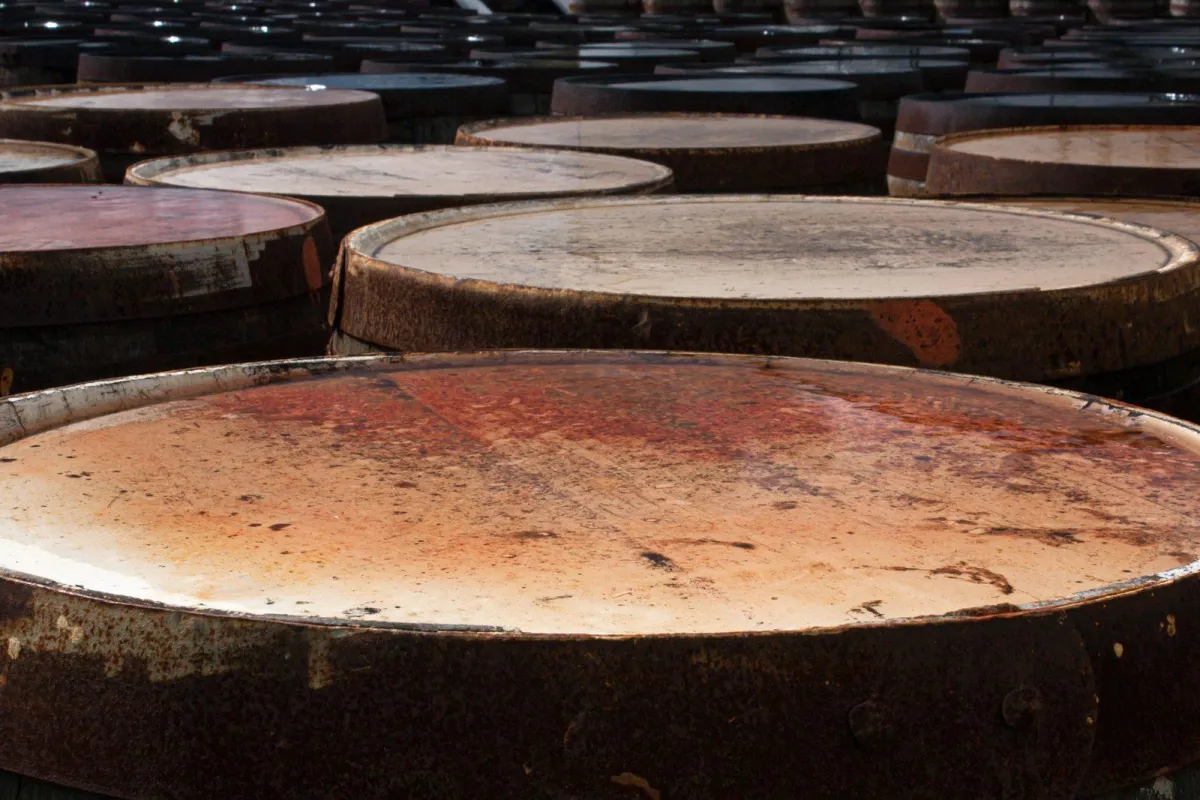
Ex-bourbon barrels are made from American white oak and previously used to mature bourbon. Under United States law, bourbon must be aged in new charred oak, which means those casks can only be used once for bourbon production before being sold on. Scotch distillers recognised early that this lightly seasoned wood was ideal for long, slow maturation, imparting vanilla, honey and gentle spice to the spirit over time.
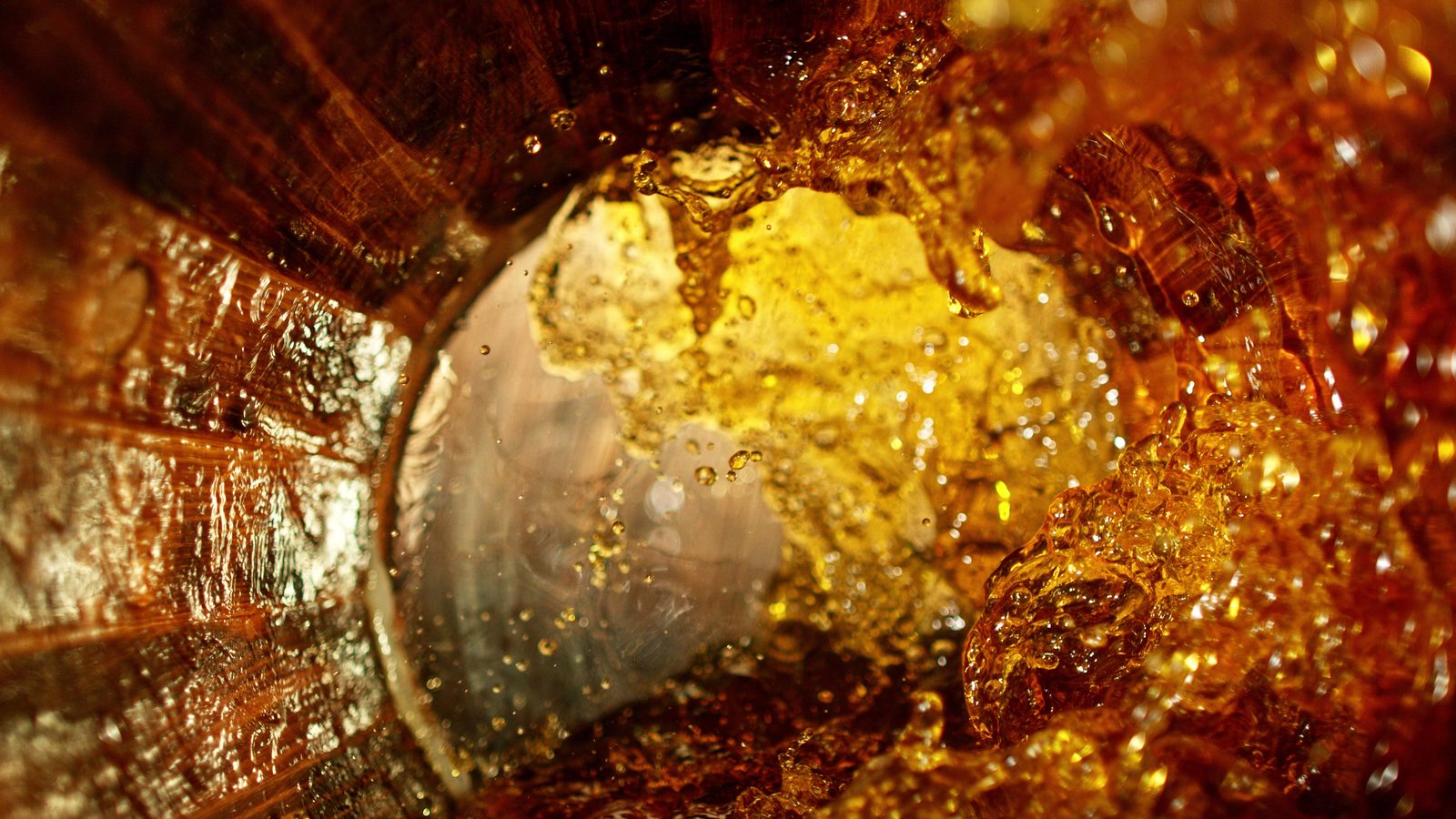
Oloroso sherry butts tell a different story. Holding approximately 500 litres compared to a bourbon barrel's 200, they are significantly larger vessels previously used to mature fortified wine in southern Spain. Their size means more spirit is maturing in a single cask, while the residual wine compounds absorbed deep into the wood over years of sherry maturation impart dried fruit, Christmas spice and a rich amber colour that ex-bourbon barrels rarely achieve alone.
Many of Speyside's most celebrated expressions have used both, moving spirit between cask types during maturation to layer complexity in a way no single wood could achieve alone.
A Style the World Learned to Recognise
What most Speyside whiskies share, regardless of distillery or cask type, is balance. An approachability that made them accessible to drinkers across cultures and palates.
That quality helped Speyside travel.
Speyside's cool, temperate climate with genuine seasonal variation plays a quiet but important role in this. Spirit expands into the wood during warmer months and contracts back during colder ones, drawing compounds from the oak slowly and consistently. That gradual rhythm produces complexity without harsh edges, which is part of why Speyside whiskies age so gracefully over long periods.
Over decades, Speyside single malts found their way into export markets, hotel bars, restaurants and private collections around the world. In 2024, Scotch whisky exports were valued at approximately £5.4bn globally, according to the Scotch Whisky Association, with Asia-Pacific accounting for £1.57bn, the industry's single largest export region. Speyside was a significant part of what built that global appetite in the first place.
More Than a Region
Some whisky regions built mystique.
Speyside built something harder to manufacture: genuine, long-standing familiarity across generations of drinkers and collectors, grounded in consistent craft decisions made at every stage of production.
That is where this series begins.
Over the following five articles, we will move deeper into the region itself. The distilleries that shaped its character. The maturation styles that distinguish one cask from another. The market forces that have kept Speyside at the centre of conversations about Scotch whisky for over a century.
Because before you understand a cask, it helps to understand the region that made it worth understanding in the first place.
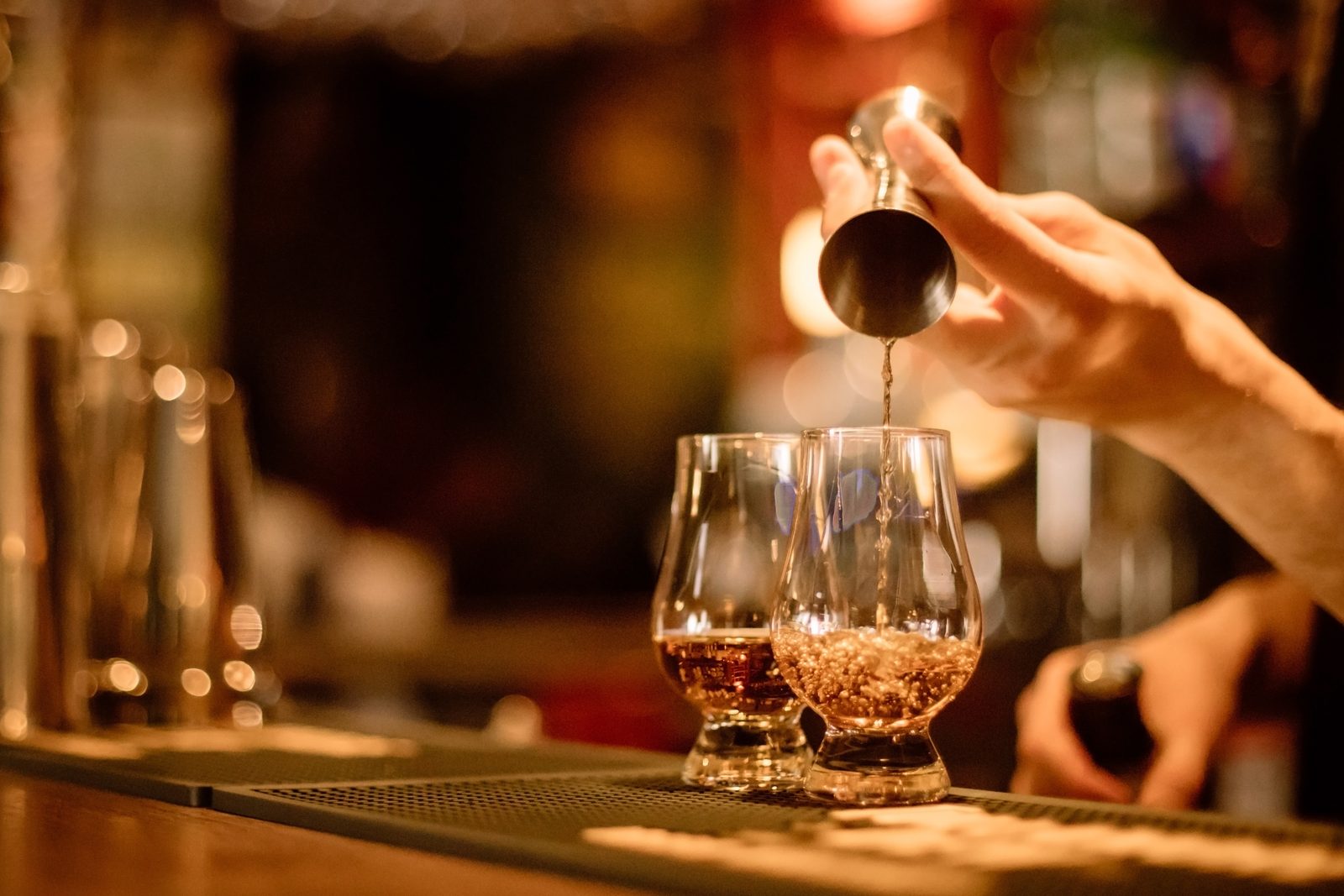
Before we close, perhaps some of you share the same palate. My favourite Speyside go-to whisky is The Glenrothes 15 Year Old. At 43% ABV, matured in European oak sherry-seasoned casks, it carries the ripe fruit-forward character Speyside is known for, gradually refined over 15 years into something more fragrant and precisely balanced. The sherry oak does not overpower the spirit. It balances it.
— Jason Chong
Director of Business Development


