
Speyside Part 4: What Makes Them the Region Investors Watch Most
Part 4 of 12 — Speyside Series
A whisky bottle may see the world. A cask is rooted in Scotland.
Most conversations about whisky focus on what ends up in the glass. Far fewer focus on the object that spends decades quietly determining what that whisky will become. Understanding a cask properly, its size, its specification, what drives its value and how ownership actually changes hands, is essential to understanding why Speyside specifically has become the region most cask buyers gravitate toward.
Why So Many Distilleries Took Root in One Place
A fair question emerges early in any serious look at this region. If geography, water and climate matter this much, why did so many distilleries end up concentrated specifically within Speyside, rather than spread more evenly across Scotland?
The answer begins with the Excise Act of 1823. Once legal distilling became commercially viable, distillers needed somewhere with the right natural conditions to set up quickly and reliably. Speyside already had exactly that: soft, low-mineral water, fertile barley-growing land and enough remoteness to have supported illicit production for generations beforehand. The infrastructure of knowledge, suitable land and water access was already in place. Legalisation simply gave it permission to scale.
What made Speyside particularly suited to supporting many distilleries simultaneously, rather than just one or two dominant producers, was the river system itself. The Spey is fed by multiple substantial tributaries, including the Fiddich, the Livet and the Avon, each offering its own consistent water source. This meant new distilleries did not need to compete for access to a single river. They could establish independently along different tributaries within a relatively compact area, each drawing on its own clean water supply without depleting a shared resource.
The arrival of the railway in the mid-to-late nineteenth century then removed the final barrier to growth. Lines reaching towns such as Dufftown and Keith allowed casks and bottled whisky to move efficiently to markets in Edinburgh, Glasgow and beyond, rather than relying on slow, costly road transport through the Highlands. Distilleries that had previously been constrained by how far they could practically move their product suddenly had access to national and eventually international markets.
The result was not one or two distilleries growing very large, but dozens of distilleries growing simultaneously, each drawing on its own water source, each within reach of the same expanding railway network, each producing whisky into a market that was hungry for exactly what Speyside could offer. That density, once established, became self-reinforcing. More distilleries meant more cooperages, more skilled coopers and distillers, more warehousing capacity and more accumulated regional expertise, all of which made it easier for the next distillery to succeed once it opened.
Few regions in the world had the combination of distributed water access, suitable land and eventually transport infrastructure arrive in the right sequence, at the right time, to support this kind of concentrated growth. Speyside did.
What Makes One Speyside Cask Worth More Than Another
Distillery reputation is the starting point for value. A cask from a name with a documented, century-long history of consistent quality, such as those explored earlier in this series, carries inherent credibility that a newer or lesser-known producer has not yet had the time to earn. This is not a matter of preference. It reflects the market pricing in decades of proven evidence over unproven potential, and it is typically the first factor any serious buyer assesses before looking at anything else.
Age is the second major factor, though its relationship to value is not a straight line. The first five to eight years are largely about removing harshness from the new make spirit rather than adding complexity, and value during this stage grows modestly. From roughly eight to fifteen years, genuine flavour development accelerates as oak compounds properly integrate with the spirit, and value tends to climb more meaningfully. Beyond fifteen, and particularly beyond twenty years, each additional year becomes increasingly difficult to replace, since no amount of capital can accelerate the chemistry of time, and this is typically where value compounds most sharply.
Wood type is the final major lever, and it interacts directly with both of the factors above. A European oak sherry cask and an American oak ex-bourbon cask of identical age and distillery will typically command different valuations, driven by differing market preferences for the flavour profiles each wood type produces. A first-fill cask, having never matured whisky before, will also generally be valued differently to a refill cask of the same type and age, since the intensity of flavour extraction cannot be replicated once a cask has already been used once.
What a Speyside Cask Actually is
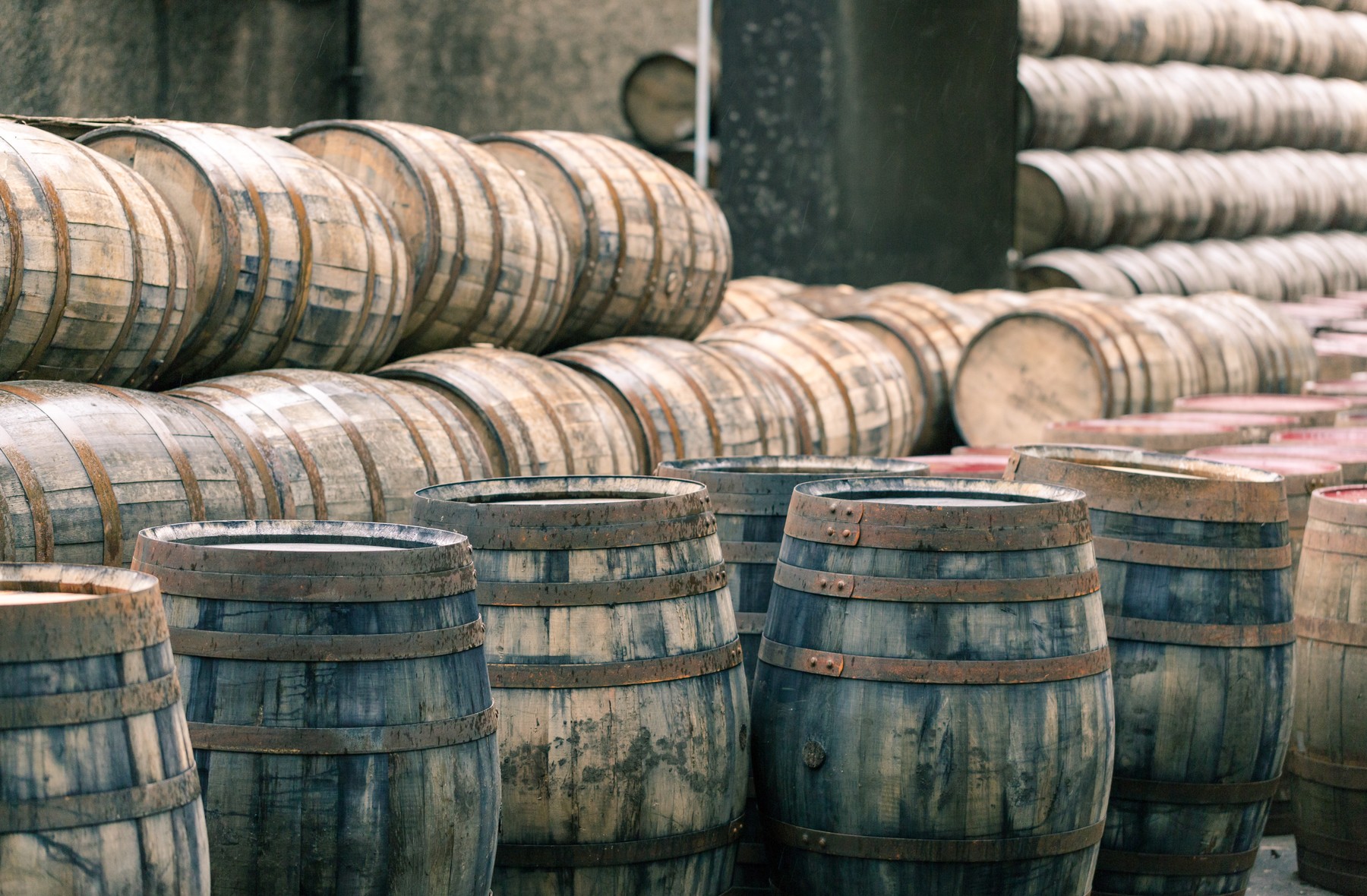
Cask size is not a minor technical detail. It directly determines maturation speed, eventual yield and long-term value.
A hogshead holds approximately 250 litres. Its smaller volume means the spirit inside has proportionally more contact with wood relative to its volume, resulting in faster maturation, so a hogshead can typically be expected to bottle sooner than a larger cask.
A butt holds approximately 500 litres, double the volume of a hogshead. Its larger volume means slower maturation, so a butt is generally suited to longer-term storage than a hogshead. That slower pace produces a more layered result over extended periods, which is typical of premium whisky bottles.
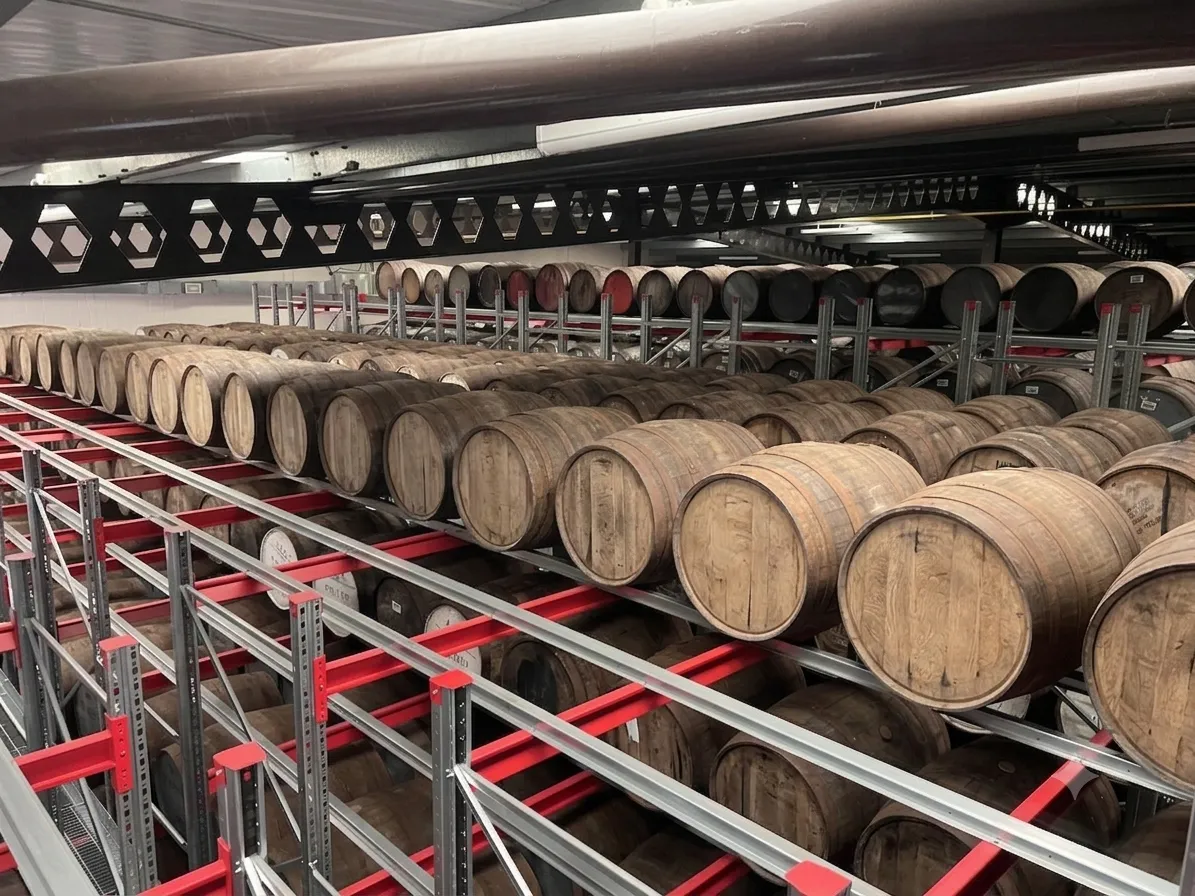
Where a cask matures matters almost as much as its size. Traditional dunnage warehouses, with earthen floors and stone walls stacking only a few casks high, create different humidity and temperature conditions than modern racked warehouses, which stack casks many levels high in steel racking with more consistent, mechanically controlled conditions. Many Speyside distilleries operate a mix of both, and the warehouse type a cask matures in can subtly influence its final character over the years.
The Specification That Defines a Speyside Cask
Every cask carries a fixed identity from the moment it is filled: distillery name, fill date, wood type and a unique cask number.
The distillery name anchors the cask's reputation. As explored throughout this series, the weight a name like The Glenlivet, Glenfiddich or The Macallan carries is the product of decades, sometimes centuries, of consistent production. A newer distillery's cask carries a different, less established kind of value, tied more to potential than proven history.
The fill date establishes exactly when the spirit entered the cask, and from that single date, everything else about the cask's maturation timeline can be calculated. Age statements, regauge schedules and projected bottling windows all trace back to this one recorded moment.
The wood type, whether ex-bourbon, European oak sherry-seasoned or American oak sherry-seasoned, determines the entire flavour trajectory the spirit will follow over its years in the warehouse, and is typically recorded alongside details of whether the cask is a first-fill or a refill. A first-fill cask, used for the first time to mature whisky, imparts flavour far more aggressively than a refill cask, which has already given up much of its most active wood compounds to a previous batch and matures spirit more gently and slowly as a result. This distinction alone can meaningfully affect how a cask is valued.
The cask number is the simplest piece of information on the specification and the most important. It is the unique identifier that ties every record back to one specific, physical object. Cask numbers are typically assigned sequentially within a single day's distillation run, which means two casks numbered consecutively were filled from the same batch of spirit on the same day, sometimes only minutes apart. Despite that shared origin, those two casks can develop noticeably different characters over the years, shaped by subtle differences in the wood itself, their exact position within the warehouse and their individual exposure to airflow and temperature. Two casks can start identical and finish entirely their own.
Together, these data points function as a certificate of origin. Every regauge, every ownership transfer and every warehouse record ties back to that single cask number for the entire life of the cask, often spanning several decades and multiple changes of owner.
How Speyside Casks Change Hands
Cask ownership transfers on paper. The physical cask itself never moves.
A delivery order records the change of ownership of a specific cask, identified by its cask number, within a bonded warehouse. Duty on the spirit is suspended for as long as the cask remains under bond, money that is only paid once the whisky is bottled and released from bond, not while it sits maturing.
Regauging is the physical re-measurement of a cask's actual remaining volume and strength, carried out by qualified warehouse staff using a dipping rod and hydrometer, or increasingly through electronic gauging equipment. It is good practice to request a regauge before purchasing a cask that has not been measured in the past three years, since evaporation losses compound meaningfully over that period and an outdated figure can materially overstate what is actually left inside.
Speyside casks specifically move through a small, well-established circle of buyers. Independent bottlers, who purchase casks to bottle and release under their own label rather than relying solely on a distillery's official releases, have long favoured Speyside for the breadth of distilleries and styles available within a single region. Private investors form another significant share of demand, drawn by the same combination of historical depth and climate-driven maturation quality explored throughout this series. Auction houses, meanwhile, increasingly treat aged Speyside casks and bottlings as a distinct, closely watched category, given how consistently the region has produced the expressions that achieve the highest prices at sale.
This concentration of interested buyers is itself a signal worth understanding. A cask that is difficult to sell on, regardless of its quality, carries a different kind of risk than one that sits within a market where genuine, repeated demand already exists. Speyside's depth of distillery history and the resulting density of informed buyers, independent bottlers, investors and auction houses alike, is part of what makes its casks comparatively easier to transact than casks from regions with a thinner base of interested parties.
Why HMRC Bonded Warehouses Matter More Than Most Buyers Realise
Legitimacy in cask ownership does not come from a sales contract alone. It comes from where the cask physically sits and who is legally accountable for it.
In the United Kingdom, a cask of maturing whisky must be held in an HMRC-approved Excise Warehouse for duty to remain suspended. It is a legal requirement, and the warehouse operator, known as the warehousekeeper, must hold specific approval from HMRC under the Warehousekeepers and Owners of Warehoused Goods Regulations to store excise goods, including whisky, without duty being paid upfront.
That approval is not granted lightly. A warehousekeeper must demonstrate financial standing, satisfy HMRC of their record-keeping capability and submit to ongoing inspection and audit. HMRC retains the right to revoke that approval at any time if standards slip. This creates a layer of independent, government-level oversight that exists entirely separate from the distillery, the broker and the cask owner.
For a cask buyer, this matters in a very specific way. Because the warehouse operates under HMRC approval, every cask held within it must be accounted for in records that HMRC itself can inspect. The warehouse cannot simply claim a cask exists. It must be able to produce it, along with accurate records of its volume, strength and ownership history, on demand.
This is why the warehouse receipt, sometimes referred to as a warehouse delivery order (DO), carries real weight as a document. It is not merely a piece of paper issued by a private company. It is confirmation that a specific, numbered cask is physically held inside a facility that operates under government regulatory oversight, with a legal obligation to maintain accurate, auditable records.
This is also why due diligence on a cask purchase should always include confirming the specific bonded warehouse where the cask is held, and verifying that the warehouse keeper holds current, valid HMRC approval. That single check does more to establish legitimacy than almost anything else in the transaction.
Insurance is another detail too easily overlooked. A maturing cask is a physical asset sitting in a warehouse for years or decades, and like any asset of meaningful value, it requires protection against loss, theft, fire or warehouse failure. Reputable warehousekeepers typically arrange or facilitate this coverage as a matter of course, and confirming that insurance is properly in place deserves the same attention as confirming bonded status itself.
Why Speyside Continues to Draw the Most Attention
Every whisky region produces casks. Few combine the specific factors that make Speyside the region most cask buyers return to first.
Speyside offers the deepest concentration of historically proven distilleries anywhere in Scotland, the result of a river system and a regulatory moment in 1823 that allowed dozens of producers to establish and thrive simultaneously rather than competing for the same scarce resources. It offers a climate suited to slow, structured maturation, producing the kind of layered, integrated character that develops only through sustained time in the cask. And it offers a documented culture of rigorous cask management, evident in everything from cask specification practices to the depth of buyers, independent bottlers, private investors and auction houses alike, who already understand how to evaluate what they are looking at.
No single factor explains Speyside's position on its own. It is the combination, historical depth, climate advantage and a transparent, well-understood market structure, that continues to set the region apart. That combination is precisely why Speyside remains the starting point for most serious conversations about cask ownership, and why so many buyers, having looked elsewhere first, eventually find their way back here.

This article is part of an ongoing editorial series produced by Whisky Cask Club, exploring the history, craft and market dynamics of Speyside whisky.
— Jason Chong
Director of Business Development, Whisky Cask Club
This material is intended for informational purposes only and does not constitute financial, investment or legal advice. Cask investment carries risk, including the risk of partial or total loss of capital. Past performance is not indicative of future results. This content is directed at accredited investors and sophisticated persons only.


